3 signs your parent may be nearing the end of life—and how to prepare
Recognizing emotional and physical cues can help you support your loved one with compassion and grace in their final days.

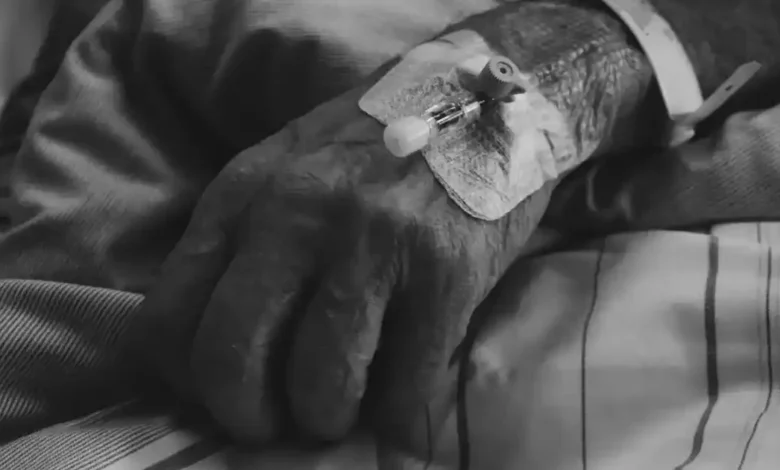
When a parent begins showing certain emotional or physical changes, it could be a sign that the end of life is near. While heartbreaking, recognizing these signals can help you provide comfort, respect their wishes, and say goodbye with love.
Watching a parent grow older and weaker is one of the hardest experiences in life. Many families face uncertainty about what to expect or how to respond when changes begin to appear. Knowing the signs that someone is nearing the end of life won’t erase the pain—but it can prepare you to be present, supportive, and peaceful in their final days.
Here are three signs that may indicate your parent is approaching the end.

1. They talk about seeing or dreaming of deceased loved ones
One of the more surprising emotional signs is when an elderly person begins dreaming of or talking about late family members or friends. These dreams are often vivid, comforting, and filled with emotion.
Experts suggest this may be the mind’s way of processing the transition ahead. While it might seem like a spiritual experience, it’s also a way for them to feel connected and less alone.
“My dad kept dreaming about his brother who passed away 30 years ago. It was like he was already starting to say goodbye,” shared one caregiver.

2. They discuss their own funeral or end-of-life wishes
If your parent starts openly talking about their funeral, favorite hymns, or where they want to be buried, don’t dismiss it as dark humor or a passing thought. This kind of conversation shows that they may be coming to terms with their condition and mortality.
Rather than changing the subject, gently listen. These talks give your parent a sense of control and dignity in a time when so much feels uncertain.
Tip: Write down or record their wishes so you can honor them when the time comes.

3. They show sudden improvement after long illness
It might sound like a miracle—a parent who has been weak or bedridden suddenly regains energy, asks for food, or seems more alert. This is known as terminal lucidity.
While it can feel like a hopeful turn, this brief clarity often occurs days or hours before death. Use this time to connect, hold hands, say loving words, and offer your presence fully.
“Mom asked for her favorite soup and sat up to chat. The next day, she was gone,” one daughter recalled.
How to support your parent through this time
Understanding these signs allows you to step into a role of compassion. Focus on:
- Creating a peaceful and calm environment
- Saying what you need to say, even if it’s hard
- Listening more than talking
- Holding their hand and simply being there
You don’t need to have all the answers. Just being present is often the greatest gift you can give.
Death is never easy to face—but recognizing when it may be near helps you prepare emotionally and practically. These moments, though painful, can also be deeply meaningful. If you see these signs, slow down, take a deep breath, and make the most of the time you have left.
Please SHARE this article with friends and loved ones—your awareness could help someone else through a difficult time.