
The White House is closely monitoring reports of a suspected pneumonic plague case in Russia after a laboratory worker at an anti-plague research institute died following severe pneumonia.
A Trump administration official told Axios on Sunday, October 4, that the US government is aware of the situation and is assessing its potential implications.
“The administration is aware, monitoring the outbreak, and assessing options,” the official said.
The development comes after the death of 28-year-old Daria Shipilova, an employee at the Irkutsk Anti-Plague Research Institute in Siberia.
What happened to Daria Shipilova?
Shipilova was reportedly hospitalized on September 29 after developing severe pneumonia and died overnight between October 1 and October 2.
Russian media reports have suggested that she may have contracted pneumonic plague while working at the research facility.
One widely circulated account claimed Shipilova accidentally broke a test tube containing plague bacteria on September 25, potentially exposing herself to the pathogen.
However, Russian health authorities have not confirmed that she had plague.
Russia’s consumer safety watchdog, Rospotrebnadzor, said Shipilova had been diagnosed with “pneumonia of unknown etiology” and that subsequent testing did not detect microorganisms associated with her work.
Authorities have also rejected reports of a laboratory accident involving dangerous pathogens, according to recent reporting.
Nearly 200 people placed under observation
Shipilova’s death prompted precautionary measures across the Irkutsk region.
Nearly 200 people who may have come into contact with her were placed under medical observation, while several medical facilities introduced quarantine measures.
Irkutsk Governor Igor Kobzev said the people being monitored had shown no signs of illness and had tested negative.
Russian officials have repeatedly maintained that the epidemiological situation in the region remains stable.
Rospotrebnadzor chief Anna Popova was sent to the region to oversee the response, while authorities worked to identify and monitor people who had contact with Shipilova.
What is pneumonic plague?
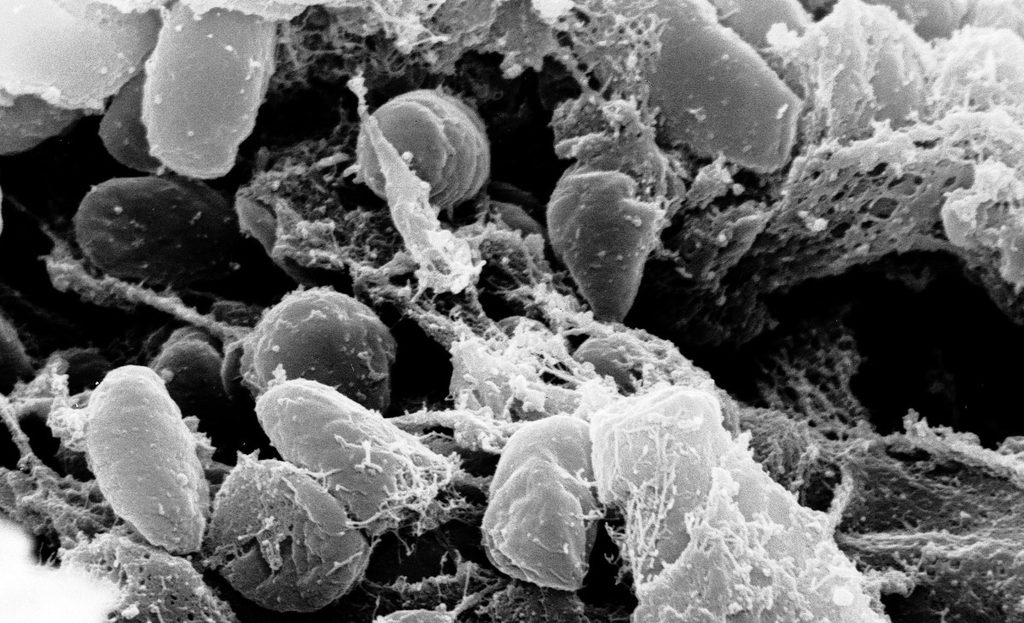
According to the Washington State Department of Health, pneumonic plague is a serious form of plague caused by the bacterium Yersinia pestis that occurs when the bacteria are inhaled and infect the lungs.
It can also develop when untreated bubonic or septicemic plague spreads to the lungs. The disease can cause fever, headache, weakness, and a rapidly worsening pneumonia accompanied by a bloody or watery cough.
Pneumonic plague is particularly concerning because it can spread from person to person through respiratory droplets, and without early antibiotic treatment, it can be fatal
Despite the concerns surrounding Shipilova’s death, there is currently no confirmed evidence that she died from pneumonic plague or that person-to-person transmission has occurred. Russian authorities continue to describe her illness as pneumonia of unknown origin.