Man Cuts Off Finger After Snake Bite, Doctors Say It Was Unnecessary
Man Cuts Off Finger After Snake Bite
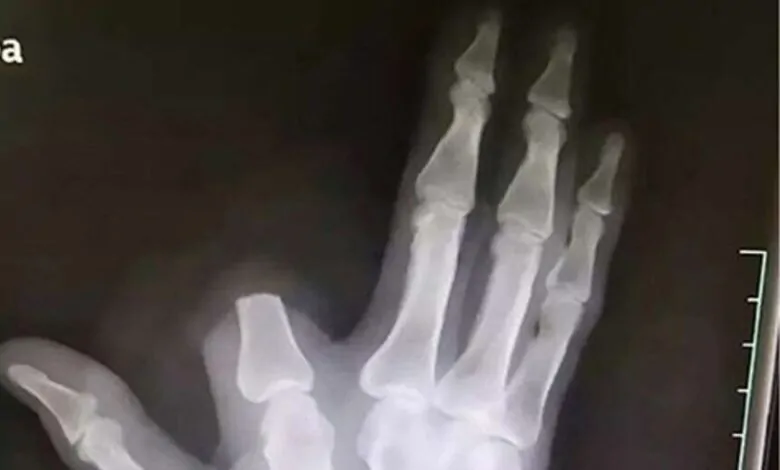
A 60-year-old farmer in eastern China cut off his own finger after being bitten by a venomous snake, fearing the poison would spread through his body, only for doctors to tell him that the drastic measure had been unnecessary.
The man, identified only as Zhang, was cutting firewood near his mountain village in Shangyu district, Zhejiang province, when the snake bit his finger, according to local media reports.
Believing the snake was a particularly dangerous species known locally as the “five-step snake,” Zhang decided to amputate the affected finger to prevent the venom from spreading.
The snake earned its frightening nickname from a local belief that victims could die after taking just five steps following a bite.
According to South China Morning Post, after cutting off his finger, Zhang wrapped the wound in cloth and traveled approximately 80 kilometers (50 miles) to a hospital in Hangzhou, where he sought medical attention.
However, doctors at Hangzhou Hospital of Traditional Chinese Medicine reportedly found that he was not displaying some of the symptoms associated with severe snake envenomation, including breathing difficulties, headaches, and bleeding gums.
Doctor Yuan Chengda told local media that Zhang had gone too far in his attempt to save himself.
“It’s not necessary at all [to cut it off],” Yuan reportedly said.
Why the snake bite was still dangerous
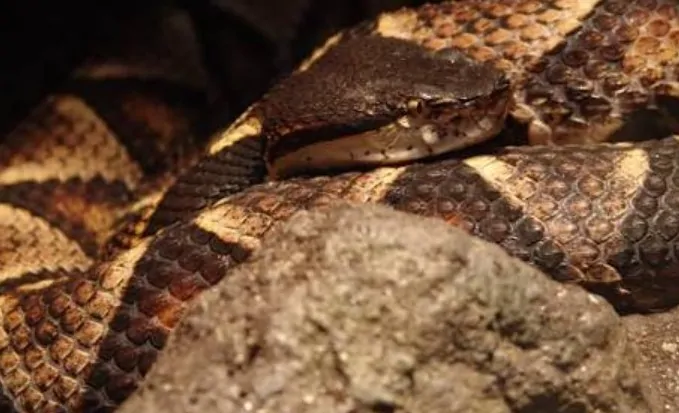
Despite the doctor’s reassurance, the snake Zhang encountered was not harmless.
Known scientifically as Deinagkistrodon acutus, the species is a type of pit viper found in parts of southern China, Taiwan, and northern Vietnam.
Its venom contains haemotoxins that can damage blood cells and blood vessels, potentially causing serious bleeding and tissue injury. Severe bites can be fatal, making prompt medical treatment essential.
Zhang’s fear was also influenced by a previous incident in his community. He reportedly told doctors that one of his neighbors had died after being bitten by a snake earlier in the year.
However, amputating a finger is not an effective way to treat a snakebite and can cause additional injuries that complicate recovery.
Yuan said such drastic reactions were not uncommon among snakebite patients at the hospital, with outdated beliefs about first aid leading some victims to harm themselves before seeking professional help.
According to the doctor, approximately 30% of the hospital’s snakebite patients had attempted some form of self-treatment before arriving.
Some victims used knives to cut off their fingers or toes, while others tightly bound their injured limbs with ropes or metal wires in an attempt to stop the venom from spreading.
Others reportedly tried to destroy the venom by burning the affected skin.
“When they arrive at the hospital, some people’s limbs are already showing signs of gangrene,” Yuan said.
At the hospital, Zhang received antivenom, and medical staff cleaned and dressed his wound.
He was later reported to have returned home and to be recovering well.






There are no comments yet. Why don't you write one?