Barron Trump Is Now 20 as New US Military Draft Rules Put His Eligibility in Focus
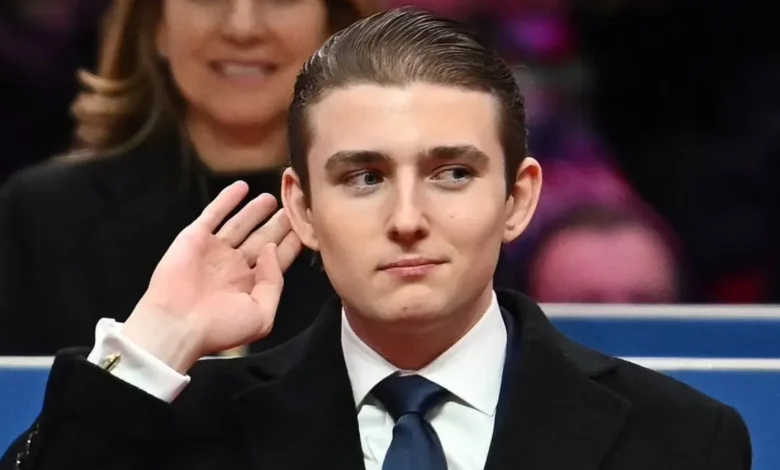
For most young men, turning 20 means thinking about college, careers, and what the next few years might look like. For Barron Trump, however, reaching that age has brought an unexpected question into the national conversation: could he be required to serve in the US military?
President Donald Trump’s youngest son turned 20 on March 20, 2026. He is currently attending New York University, and although he generally keeps his private life away from the spotlight, a new law signed by his father has put his age group back in the discussion about America’s military draft system.
The timing is particularly interesting because the United States is preparing for a significant change in how young men are registered for potential military service. Unlike the rumors about Barron’s height that circulated earlier this year, this development is backed by legislation.
The new military registration law Trump signed
On December 18, 2025, President Trump signed the National Defense Authorization Act for Fiscal Year 2026, a major defense spending and military policy bill.
Buried within the legislation was a provision that changes how the country handles Selective Service registration.
Under Section 535, the government must automatically register eligible men between the ages of 18 and 26 for Selective Service, rather than relying on individuals to sign up.
The change is scheduled to take effect in December 2026.
Until then, the existing registration process remains in place, meaning eligible men are still responsible for registering themselves.
The official legislation published by the US Government Publishing Office outlines the change, which will shift much of the administrative responsibility to the federal government.
It is a significant development because millions of young American men will no longer have to take the same steps themselves to enter the registration system.
What does this mean for Barron Trump?
Barron’s age makes the development particularly relevant.
Born in March 2006, he is now within the age group covered by the Selective Service system. Under the revised law, male US citizens and other eligible male residents between 18 and 26 will be automatically registered.
That means Barron falls within the age group the new system covers.
However, there is an important distinction between being registered and actually being called up for military service.
The Selective Service System maintains a database of eligible men that it could use if the country needed additional military personnel during a national emergency.
Registration itself does not mean someone has enlisted, received military orders, or been selected to fight.
The agency makes this distinction clear in its official explanation of Selective Service registration.
No publicly confirmed information establishes Barron’s individual registration status.
Could the United States bring back the military draft?
The discussion has attracted renewed attention as America remains involved in the conflict with Iran.
For many younger Americans, the possibility of being called into military service is something they have never seriously considered. The United States has relied on an all-volunteer military since 1973, when the last active draft ended.
However, the Selective Service system has remained in place as a contingency should the country ever need to expand its military workforce.
According to the Congressional Research Service, the registration system continues to provide a mechanism for identifying potential personnel in a major military emergency.
But bringing back conscription would require a separate decision. A registration system does not give the president automatic authority to send registered men into combat.
Congress and the president would have to authorize the necessary steps.
Even if Congress reinstated a draft, not every registered man would automatically be selected. The process would involve selection procedures, eligibility assessments, and opportunities to claim applicable deferments or exemptions.
What about the rumors that Barron is too tall to serve?
The discussion also revives an unusual claim that circulated earlier this year.
Social media posts suggested that the White House had declared Barron exempt from military service because he was reportedly too tall.
However, no evidence emerged that the White House had issued such a statement.
Barron is widely reported to stand around 6 feet 7 inches tall, although his exact height has not been independently confirmed.
The military does have physical standards for recruits, but questions about an individual’s suitability for particular military roles are separate from the requirement to register with Selective Service.
Even men with certain medical conditions or disabilities that could prevent them from serving are generally still required to register.
The distinction is important: registration establishes eligibility for the draft system, while actual military service involves a separate assessment.
For now, Barron Trump remains a college student whose name has become part of a much larger national conversation.
His father’s legislation is changing how America prepares for a possible future military draft, but it does not mean Barron has been called to serve.
And with the new registration system approaching implementation, the debate over what military service could mean for America’s next generation is unlikely to disappear anytime soon.





There are no comments yet. Why don't you write one?