The smiling boy who became the BTK killer: Inside Dennis Rader’s double life
A new Netflix documentary revisits the crimes of Dennis Rader, the Kansas man who lived a seemingly normal life while terrorizing his community for decades.

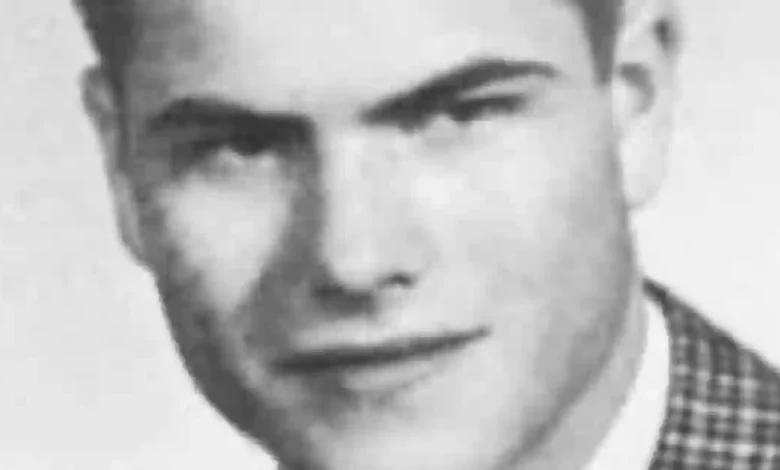
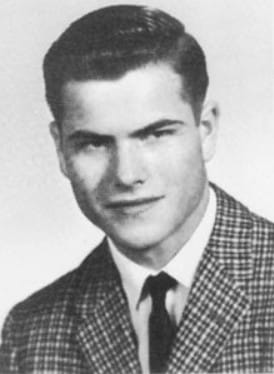
In an old black-and-white photograph, a young man smiles at the camera — polite, clean-cut, and seemingly ordinary. No one could have imagined that he would grow up to become one of America’s most infamous serial killers, known by three chilling letters: BTK — Bind, Torture, Kill.
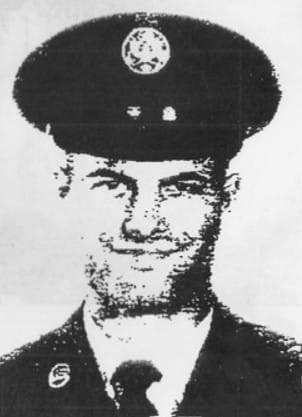
Born in the mid-1940s in Kansas, Dennis Rader appeared to live a typical Midwestern life. He was the eldest of four sons, a Boy Scout, and a regular churchgoer. After graduating high school, he enlisted in the U.S. Air Force in 1966, serving at Brookley Air Force Base in Alabama before returning home to marry and start a family.
Neighbors described him as quiet and reliable — a man who installed home security systems for a living and served as president of his local church council. But beneath that image, something sinister had long been taking shape.
A Hidden Obsession
Rader later admitted that by age ten he was already experiencing violent fantasies. According to Biography.com and BBC News, he would imagine binding and controlling people — fantasies that evolved into real acts of violence years later.
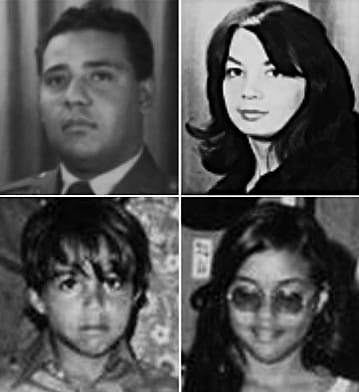
In 1974, the illusion of normalcy shattered when four members of the Otero family were found murdered in their Wichita home. The parents, Joseph and Julie Otero, and two of their children had been strangled. A few months later, a letter arrived at a local newspaper in which the killer described the murders in detail and signed it “BTK.”
Over the next 17 years, Rader killed at least ten people, stalking his victims and breaking into their homes. He taunted police and media outlets with letters, drawings, and coded messages. His crimes spread fear across Wichita and Park City, Kansas, where families began locking doors, installing alarms, and avoiding the dark.
The Disappearance and Return
After his final known murder in 1991, Rader vanished from public attention. The killings stopped. Investigators suspected he might have died or been imprisoned for another offense. In reality, he was raising two children and maintaining his suburban routine.
In 2004, BTK resurfaced. He began sending packages to local media, bragging about past crimes and mocking investigators. His arrogance led to his downfall. When he sent police a floppy disk and asked if it could be traced, authorities falsely assured him it couldn’t. The disk was traced to a church computer registered under his name.
Arrest and Confession
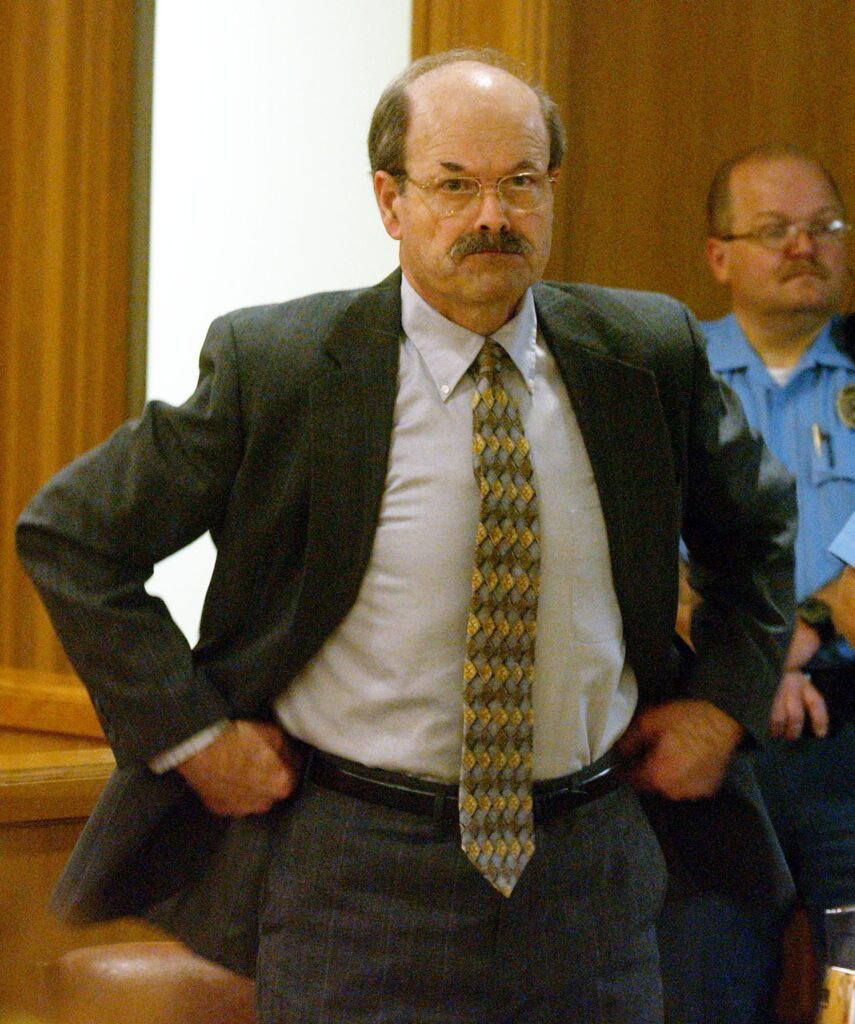
Rader was arrested in February 2005 during his lunch break from work. In interviews and court hearings, he calmly confessed to each murder, describing his actions as “projects.” He spoke of a force he called “Factor X”, claiming it compelled him to kill — a chilling rationalization echoed by other serial killers he admired.
He was sentenced to ten consecutive life terms with no possibility of parole.
The arrest devastated his wife and children, who had viewed him as a loving father. His daughter, Kerri Rawson, has since spoken publicly about the trauma of discovering her father’s secret life. In a 2007 letter, she wrote, “You were a good dad most of the time, and we do not know what to believe — who you were to us, or who you were to others.”
A new Netflix documentary explores Kerri’s journey as she confronts her father’s crimes and works with investigators to connect possible unsolved cases. The series also examines the lasting psychological toll of growing up with a parent later revealed to be a serial killer.
Today, Dennis Rader remains imprisoned in El Dorado Correctional Facility in Kansas. Nearly two decades after his arrest, his case continues to fascinate and disturb, not only for the brutality of his crimes but for the deception he maintained so effortlessly.
Behind that smiling childhood photo was not just a murderer, but a man who embodied the darkest paradox — a neighbor, husband, and father who was, at the same time, the monster next door.