Former White House doctor raises questions over Donald Trump’s recent medical visit
Dr. Jeffrey Kuhlman says the president’s reported four-hour trip to Walter Reed “doesn’t add up.”

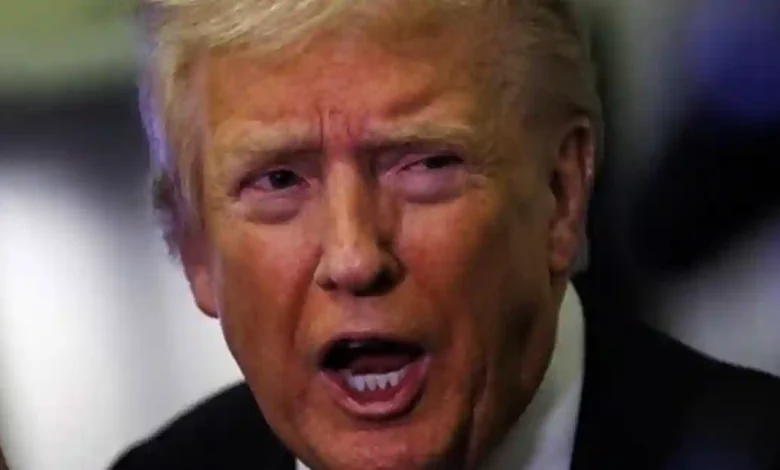
U.S. President Donald Trump’s recent medical visit has sparked renewed debate about his health after a former White House doctor questioned official accounts of the trip.
In October, the 79-year-old underwent a series of medical tests, including an MRI, at Walter Reed National Military Medical Center. According to The Hill, Trump’s current physician, Dr. Sean Barbabella, released a memo stating that the president’s results were “exceptional,” describing him as being in “excellent overall health.”
Barbabella noted that Trump’s “cardiac age—a validated measure of cardiovascular vitality via ECG—was found to be approximately 14 years younger than his chronological age.” The memo also confirmed that Trump received both a flu vaccination and an updated COVID-19 booster during the visit.
Speaking to reporters aboard Air Force One shortly after, Trump echoed the doctor’s assessment. “We had an MRI … and it was perfect,” he said, adding that his medical results were among “the best reports they’ve ever seen.”
Questions About the Visit’s Duration
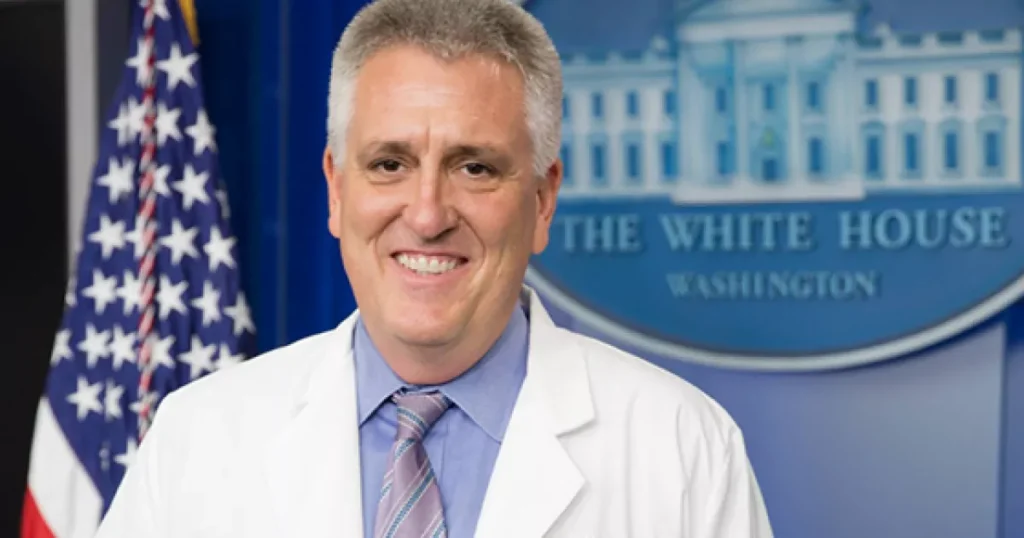
While Trump and his team have insisted that the visit was routine, not everyone is convinced. Dr. Jeffrey Kuhlman, a former White House physician who served under Presidents Bill Clinton, George W. Bush, and Barack Obama, told The Hill that the timing of the visit raised “red flags.”
“It’s about an eight-minute helicopter ride from the South Lawn to Walter Reed,” Kuhlman explained. “So we know that he at least had four hours available to undergo medical care. There’s a disconnect there.”
Kuhlman argued that the White House medical unit is capable of performing advanced diagnostic tests in-house, including many of those described in the official statement. He questioned why the president would need to travel to Walter Reed for what appeared to be a standard health screening.
The physician also suggested that, while it’s not unusual for a president to receive preventive care, the secrecy surrounding Trump’s visit was “uncharacteristic” compared to prior administrations.
Official Statement Maintains Donald Trump is in “Excellent Health”
Despite the scrutiny, Trump’s team has continued to emphasize that the visit was routine. Dr. Barbabella’s memo described “stable metabolic, hematologic, and cardiac parameters,” adding that the president’s health remains strong for his age.
Trump, who is among the oldest candidates to seek another term in U.S. history, has previously faced speculation about his physical condition. Throughout his presidency, his medical reports frequently drew attention for their optimistic tone and phrasing.
For now, no additional medical information has been released publicly, and the White House has not responded to Kuhlman’s comments.
Presidents typically retain access to high-level medical care through military or government facilities. Walter Reed, located in Bethesda, Maryland, has served as the primary medical center for presidents for decades.
While Dr. Kuhlman’s remarks have renewed questions about the details of Trump’s recent visit, no evidence has emerged suggesting a specific undisclosed condition. As with other former leaders, medical privacy remains at the discretion of the individual.
For now, the discussion underscores the broader public interest in the health of senior political figures—a topic that continues to shape perceptions as election season approaches.