Donald Trump’s blunt response to voters who regret supporting him
The president defends his trade war policies despite rising costs for American households

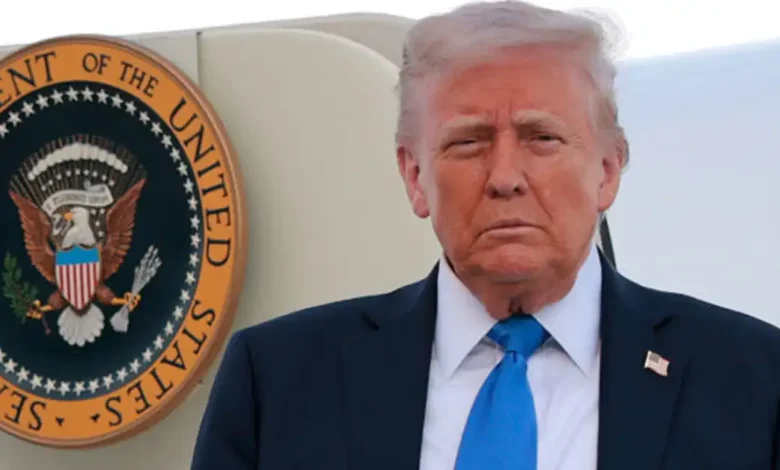
Just over 100 days into his return to the White House, Donald Trump is facing criticism over his trade war policies that have raised living costs for many Americans. When asked what he would say to voters who regret supporting him, Trump gave a sharp eight-word reply: “Well, they did sign up for it, actually.”
Back in August 2024, Trump pledged to lower the cost of living if re-elected, vowing to “bring prices down, starting on day one.” His campaign leaned heavily on expanding domestic oil production, encapsulated in his rallying cry: “We will drill, baby, drill.”
Once in office, however, Trump introduced his “America First Trade Policy,” imposing sweeping tariffs designed to reduce dependence on foreign imports. Beginning April 2, the president announced a 10% tariff on most countries, alongside higher tariffs—including 25% on steel, aluminum, and autos, and an unprecedented 145% on Chinese imports.
Treasury Secretary Scott Bessent compared the China tariffs to an “embargo,” while Beijing responded with its own countermeasures, raising duties on U.S. goods to 125%. The European Union is also preparing retaliatory steps.
Trump defends tariffs amid backlash
In an interview with ABC’s Terry Moran, Trump rejected claims that his tariffs would drive up consumer prices, insisting that China would absorb the costs.
“They were ripping us off like nobody’s ever ripped us off,” he said, arguing that his actions restore fairness in global trade. He added: “Every country, almost every country in the world was ripping us off.”
But economists and household budgets tell a different story. Independent analyses suggest the tariffs could add $4,000 to $8,000 per year to the average American family’s expenses, as higher import costs ripple through everyday purchases like groceries, clothing, and electronics.
Lowest 100-day approval in modern history
Public frustration is showing in the polls. According to an ABC News/Washington Post/Ipsos survey, Trump holds the lowest 100-day approval rating of any president in 80 years, with 55% disapproving of his performance. Another poll from The New York Times/Siena College found just 42% approving, with many respondents describing his presidency as “scary” and “chaotic.”
When Moran pressed him on voter concerns, Trump dismissed the idea that supporters hadn’t anticipated such policies:
“Well, they did sign up for it, actually. And this is what I campaigned on.”
Despite the economic turbulence, Trump insists the country is thriving. “We’re doing very well. Wait till you see the real numbers come out,” he said, predicting stronger growth ahead.
For now, however, American families are feeling squeezed, and international tensions are escalating. Whether Trump’s gamble pays off—or deepens the strain—remains one of the defining questions of his second term.