He went to the ER with stomach pain—24 hours later, he was dead
A misdiagnosis led to a tragedy no one saw coming. Could one simple test have saved his life?

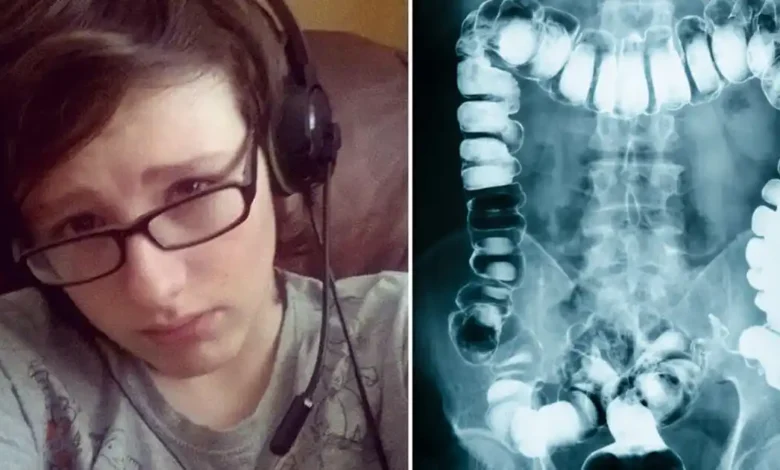
When 17-year-old Jack Dunn was rushed to the hospital with crippling stomach pain, doctors thought they had the answer. But what they missed cost him everything. Just a day later, Jack was gone—and now his story is raising urgent questions.
It started like any ordinary visit to the emergency room. Jack, a teenager from Porth, Wales, was in so much pain he couldn’t walk. His parents feared the worst—appendicitis, maybe something more serious.
Doctors ran tests. Scans didn’t show much. The diagnosis? Constipation.
They sent Jack home with laxatives.
But what no one realized was that something far more dangerous was happening inside his body. Within 24 hours, Jack’s father walked into his room to find him dead.
The condition hiding in plain sight
Jack’s sudden death left everyone shocked. But the truth would soon come out: Jack hadn’t died from constipation at all. He had diabetic ketoacidosis (DKA)—a dangerous complication of type 1 diabetes, often fatal if not caught in time.
Even more shocking? Doctors never tested his blood sugar.
Jack had never been diagnosed with diabetes, so no one suspected it. When he struggled to breathe, doctors chalked it up to anxiety. But his organs were already beginning to shut down.
“We trusted the doctors,” his father, Kieron, said. “But I believe Jack would be alive today if they had done just a few more simple tests.”
The test that was never done
A basic glucose test—something that takes minutes—might have changed everything. It could have shown dangerously high blood sugar levels, a clear warning sign of DKA.
This test wasn’t done.
And now, Jack’s parents are left with heartbreaking questions:
How many others could be at risk without knowing it? How often is this silent condition misdiagnosed?
Could you spot the warning signs?
DKA can develop quickly, especially in people who don’t yet know they have diabetes. It happens when the body runs low on insulin and starts burning fat for energy, creating dangerous acids in the blood.
Here are the signs doctors—and families—should never ignore:
- Intense thirst
- Frequent urination
- Trouble breathing
- Nausea or vomiting
- Extreme fatigue or confusion
If you or someone you know shows these symptoms—especially with severe stomach pain—ask for a blood glucose test immediately. It could save a life.
A wake-up call
Jack Dunn’s story is tragic—but it’s also a warning. It’s a call to question assumptions, to dig deeper, and to never take symptoms at face value.
His parents now share his story not to place blame, but to raise awareness.
“Please share Jack’s story,” his family says. “Someone else’s child could be saved because of it.”
One test. One moment of curiosity. That’s all it might take to stop a tragedy like this from happening again.