Henrietta Lacks’ cells changed medicine — but she never gave permission
Decades after doctors took her cells without consent, Henrietta Lacks’ family continues seeking recognition for her lasting medical legacy.

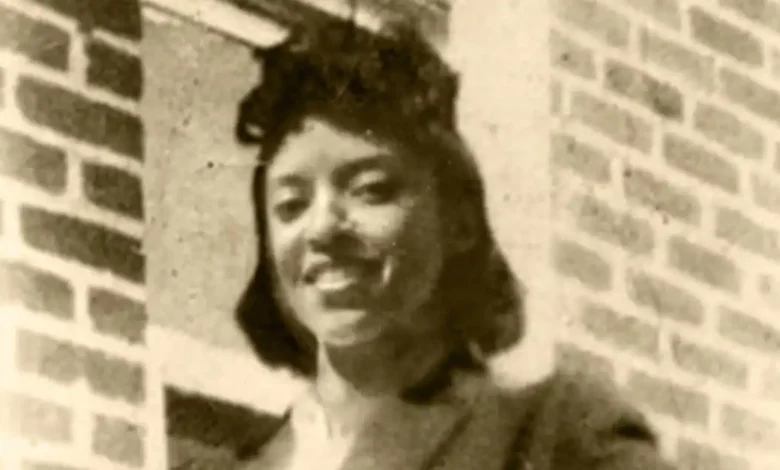
Henrietta Lacks’ cancer cells became the foundation of countless scientific breakthroughs — but neither she nor her family were told they’d been taken. Her case has sparked decades of ethical debate in medicine.
In 1951, Henrietta Lacks, a 31-year-old African-American mother of five, went to Johns Hopkins Hospital in Baltimore with abnormal bleeding. Doctors found a malignant tumor on her cervix and began treatment with radium, a common method for cervical cancer at the time.
But during her treatment, doctors removed a sample of her cancer cells without informing her. These cells were sent to the lab of Dr. George Gey, a cancer researcher trying to grow human cells outside the body.
Unlike every other sample before, Lacks’ cells didn’t die. They multiplied rapidly — doubling every 20 to 24 hours — and became the first immortal human cell line. Researchers named them HeLa, taken from the first two letters of her first and last name.
These cells revolutionized science. They’ve been used in developing the polio vaccine, cancer treatments, HIV research, fertility studies, and even in space missions. All of this began without Henrietta’s knowledge.
Henrietta Lacks died later that year, never knowing what her cells had sparked. Her family wasn’t told for decades. When they finally learned the truth, they began demanding accountability and recognition.
Johns Hopkins has since acknowledged it failed to communicate with the family properly. “We could have – and should have – done more,” the institution admitted.
In 2023, her family reached a confidential settlement with biotech firm Thermo Fisher Scientific, which profited from her cell line. Their lawyer, Ben Crump, said her case reflects a long history of medical exploitation of Black Americans.

Honoring a scientific pioneer
The World Health Organization honored Lacks in 2021, calling what happened to her “wrong.” “She trusted the health system,” said WHO Director-General Dr. Tedros Ghebreyesus. “But the system took something from her without her knowledge or consent.”
Johns Hopkins has since opened the Henrietta Lacks Building in Baltimore, a new research facility named in her honor — a symbolic gesture toward remembering the woman behind the science.
Henrietta Lacks’ story remains a powerful example of how medical progress can come at the cost of ethics. Her cells saved millions, but her own voice was never heard. For her family, the goal now is ensuring no one else is forgotten in the name of science.