How to stay happy and healthy after 80: what research really shows
Small daily habits play a powerful role in shaping happiness, health, and independence in later life.

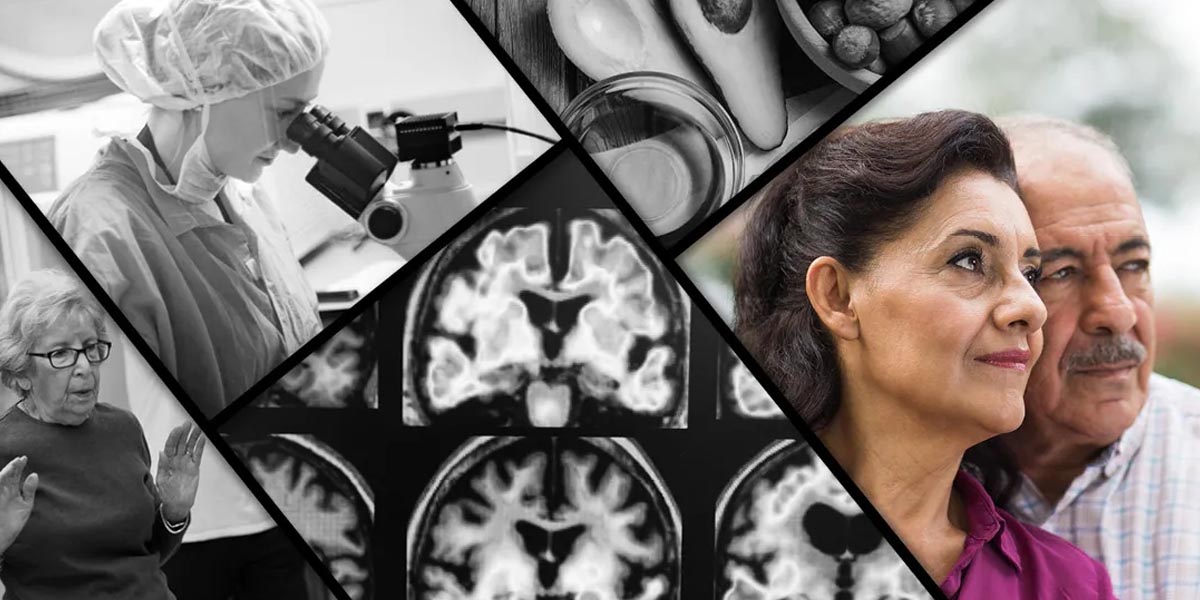
Living into your 80s is no longer rare, but living well during those years depends less on luck than many people think. Research increasingly shows that the difference between thriving and declining in old age often comes down to a handful of everyday habits.
For decades, aging was framed as an unavoidable decline. But studies across health, psychology, and longevity are challenging that idea. From purpose-driven living in Japan to long-term research in the United States, a clearer picture is emerging of what truly supports healthy aging after 80.
Purpose gives structure to life after 80
One of the most overlooked factors in aging well is having a sense of purpose.
In regions known as “blue zones”—areas where people live significantly longer than average—purpose is a daily practice. In Okinawa, Japan, this idea is captured by ikigai, loosely translated as a reason to wake up each morning.
Research highlighted by sources like CNBC shows that people who maintain a sense of purpose tend to live longer and report higher life satisfaction. For seniors, purpose doesn’t need to be ambitious. It can be as simple as caring for family, tending a garden, volunteering, or pursuing a hobby.
Without purpose, time can feel unstructured. With it, each day regains meaning.
Relationships are critical for longevity
Social connection is not just emotional support, it’s a health factor.
The long-running Harvard Study of Adult Development has tracked participants for more than 80 years, making it one of the most comprehensive studies on happiness ever conducted. Its findings are striking: strong relationships are one of the clearest predictors of both longevity and well-being.
Loneliness, on the other hand, has measurable physical effects. It is associated with increased stress, inflammation, and higher risk of chronic disease. In fact, researchers have found its impact can rival that of smoking or excessive alcohol use.
This makes one thing clear: maintaining friendships, family ties, and community connections is essential for anyone thinking about how to be happy after 80.
Mobility supports independence and confidence
Physical ability plays a major role in quality of life, especially in later years.
While aging naturally brings some muscle loss—a condition known as sarcopenia—research shows that regular movement can slow this process significantly. According to insights shared by the Cleveland Clinic, staying active helps older adults maintain independence, balance, and confidence.
Mobility doesn’t mean intense workouts. Simple activities like walking, stretching, or light strength exercises can make a meaningful difference. For many, the goal is not peak fitness but the ability to carry out daily tasks without assistance.
In this way, movement becomes less about exercise and more about preserving freedom.
Best foods for healthy aging after 80
Diet also plays a key role in aging well.
As the body changes, it requires more nutrient-dense foods to maintain energy, cognitive function, and muscle strength. The National Council on Aging recommends focusing on foods rich in vitamins, antioxidants, protein, and healthy fats.
Some of the best foods for longevity over 80 include:
- Dark leafy greens like spinach and kale
- Cruciferous vegetables such as broccoli
- Blueberries and other antioxidant-rich fruits
- Nuts and seeds
- Eggs for protein and brain health
- Fatty fish like salmon
- Greek yogurt for gut health
- Avocados for healthy fats
These foods support everything from heart health to memory, helping the body stay resilient over time.
The bigger picture: small habits, lasting impact
When people think about aging well in their 80s, they often assume it comes down to genetics. But research suggests otherwise.
Across different cultures and studies, the same themes appear again and again: purpose, connection, movement, and nutrition.
These are not dramatic lifestyle overhauls. They are small, consistent choices made every day.
And over time, those choices shape not just how long people live—but how well they live.
Reaching 80 is a milestone. But what truly matters is how those years feel.
A fulfilling life in old age is not built overnight. It grows quietly through relationships, meaningful routines, and the decision to stay engaged with the world.
The good news is that many of these factors are within reach at any stage of life.