The Photo That Won’t Let the World Forget Omayra Sánchez and the Armero Tragedy
He Sat With Her for Hours and Couldn't Save Her. He Took Her Picture Instead.

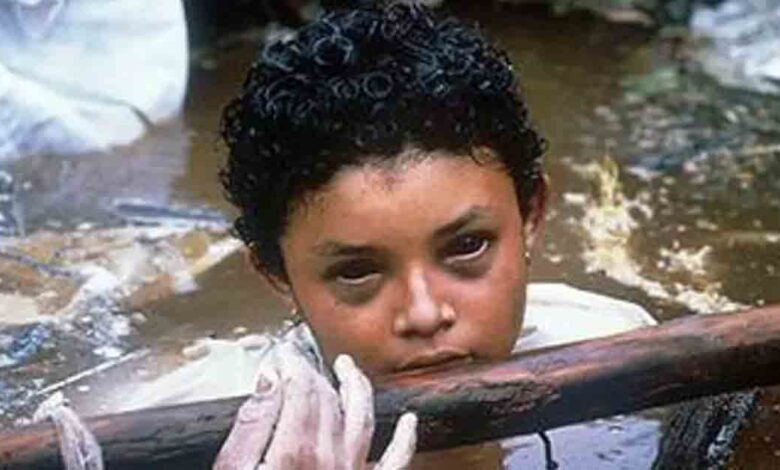
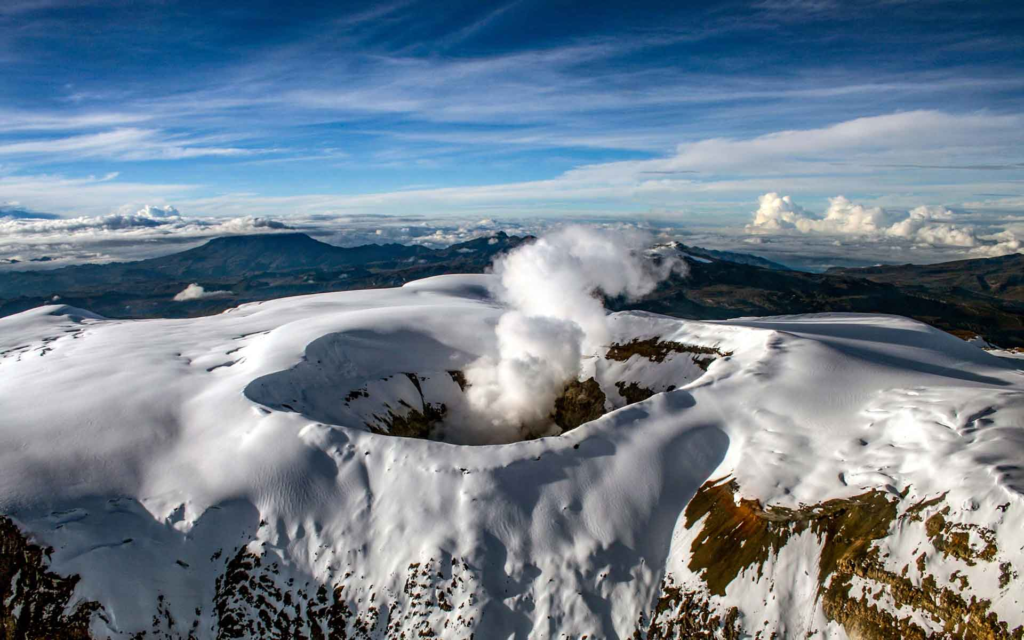
On November 13, 1985, Colombia’s Nevado del Ruiz volcano erupted and triggered a wall of mud that buried the town of Armero, killing an estimated 25,000 people. Among them was 13-year-old Omayra Sánchez, trapped in the wreckage of her own home for nearly 60 hours. A photograph taken in her final hours, by a journalist who couldn’t save her, became one of the most debated images in the history of photojournalism.
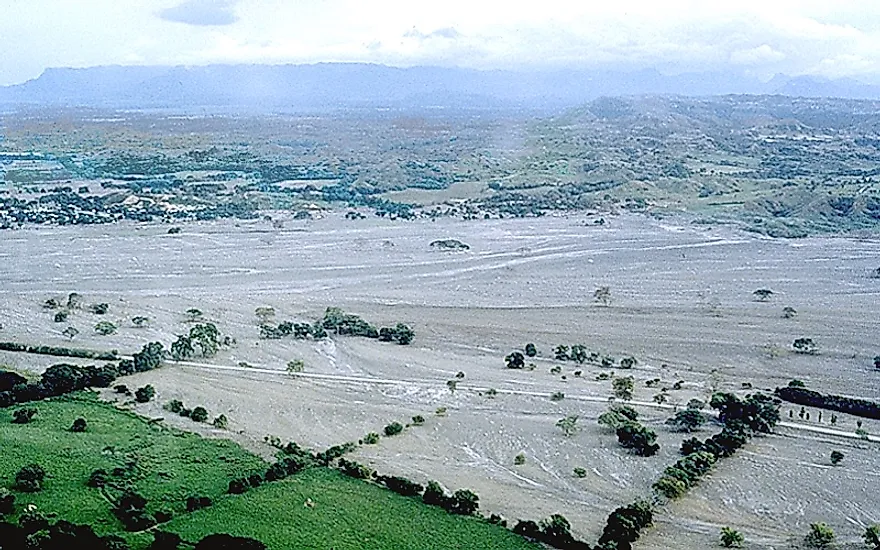
Armero was home to close to 30,000 people before that night. By morning, most of the town, and most of its residents, were gone.
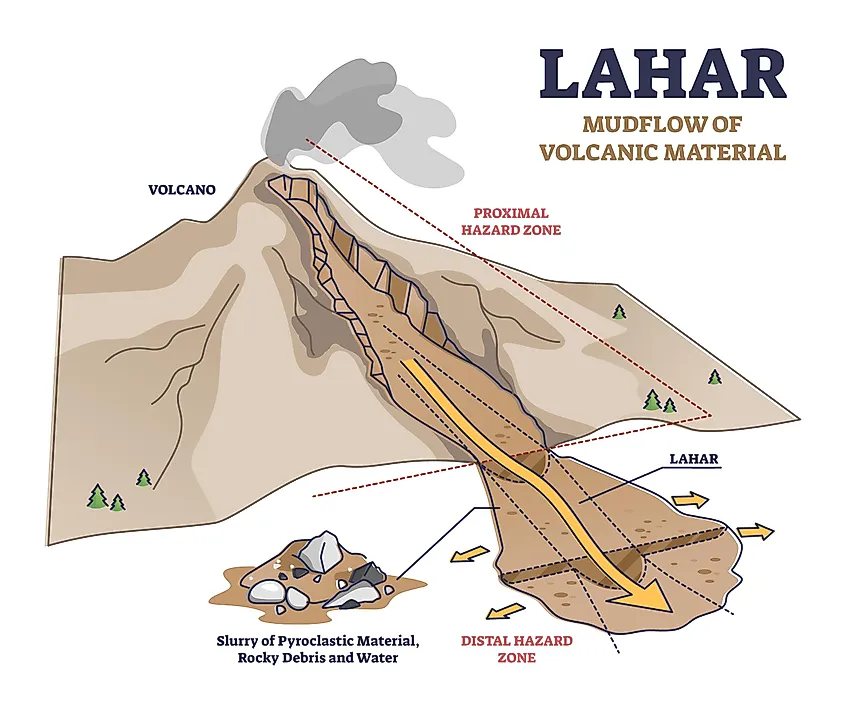
The volcano itself didn’t level Armero. A lahar did, a fast-moving slurry of mud, ice melt, and volcanic debris that forms when an eruption melts a glacier. Nevado del Ruiz sent three of these flows down the mountain and into the river valleys below, and they hit Armero with almost no warning. Scientists had flagged the volcano’s danger beforehand. The evacuation never matched the warning.
The girl the world watched die
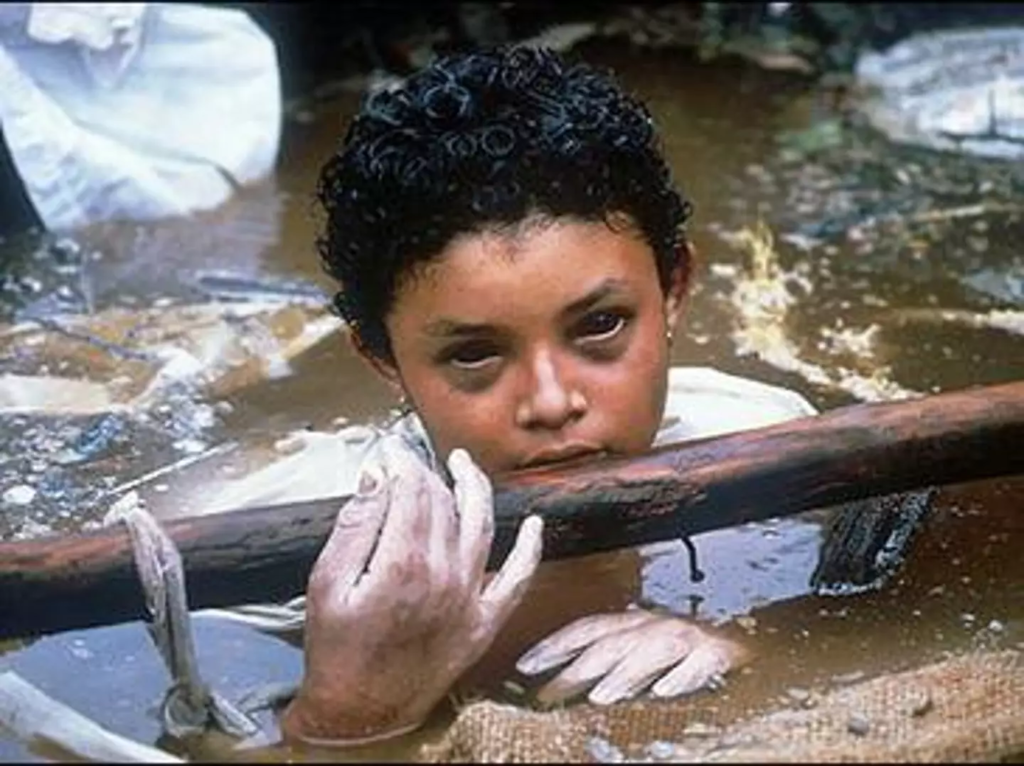
Omayra was pinned in place, her legs trapped under a door and debris from her collapsed house, submerged from the waist down in water that never dropped below freezing. Rescue workers tried. Freeing her would have meant amputating her legs on the spot, with no surgeon and no equipment to do it safely, and by the time any of that became possible, it was already too late.
So people did what they could instead. Volunteers and Red Cross workers stayed with her, fed her, prayed with her. Television crews filmed her talking, and at points singing, to the people around her. Reports describe her staying calm through most of it, focused on getting back to school rather than on what was happening to her body.
French photojournalist Frank Fournier was one of the people who sat with her in her last hours. The image he took, of her dark, bloodshot eyes just above the waterline, ran in newspapers around the world within days.
“I felt the story was important”
The backlash came fast. Critics called Fournier a vulture, accused him of documenting a child’s death instead of acting. He didn’t back away from the decision. He said the photo mattered because it forced people to see what was actually happening in Armero, not just read about a death toll in a wire report.
The image went on to win World Press Photo of the Year for 1986. Decades later, discussing the photo at a 2022 photography festival, Fournier pointed to something bigger than the single image: he said every human life carries a right to matter, not just the ones the world happens to be watching.
Whether that argument settles the ethics of the photo is still something people argue about. What’s not in dispute is what it did politically. The image put a face on a disaster caused as much by bureaucratic failure as by the volcano itself, and the backlash against the Colombian government’s slow response followed almost immediately after it ran.
The Philippines sits on the same kind of volcanic and seismic ground Colombia does, and this story is really a case study in what happens when a scientific warning doesn’t translate into an evacuation order in time. It’s the same gap disaster response agencies in both the US and the Philippines still study today.