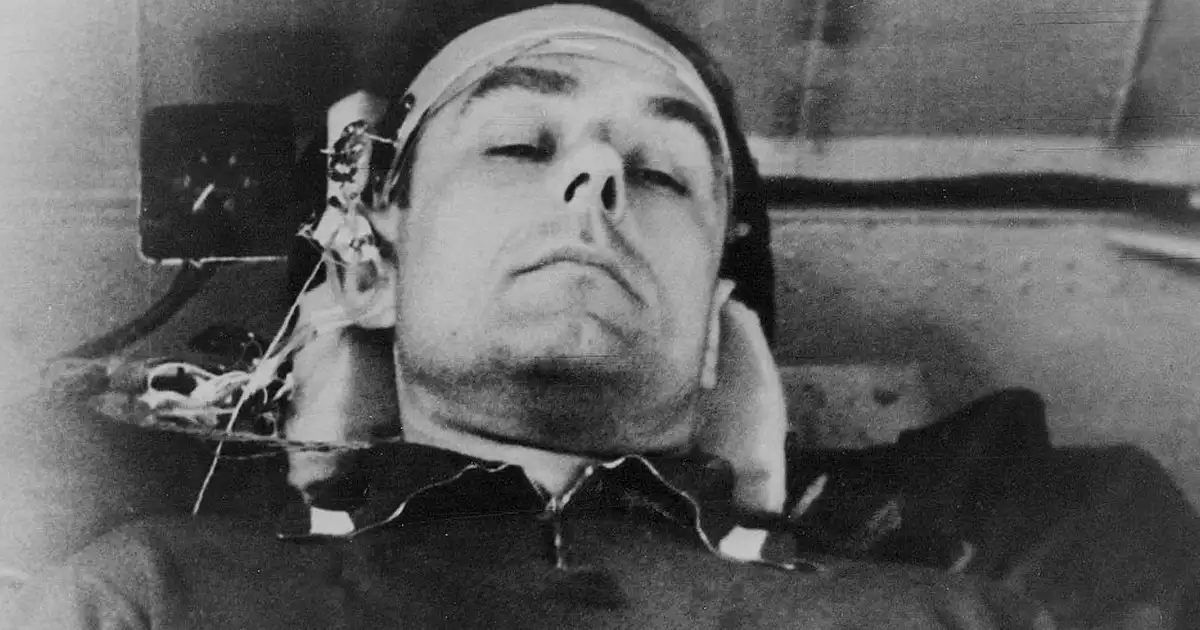
Inside the Soyuz 1 disaster that led to the first death in spaceflight
Vladimir Komarov’s fatal flight in 1967 exposed the dangers of early space exploration and the pressure behind Cold War ambitions

When Soviet cosmonaut Vladimir Komarov launched into orbit in April 1967, he knew the mission carried risks. What followed would become one of the most haunting tragedies in space history, revealing not just technical failure, but the human cost of political urgency in the race to the stars.
Komarov, a highly respected test pilot and engineer, was aboard Soyuz 1, the Soviet Union’s first crewed mission in the Soyuz program. The launch on April 23 initially appeared successful. But shortly after reaching orbit, critical systems began to fail. One of the spacecraft’s solar panels did not deploy, severely limiting power and disrupting navigation.
Over the next 24 hours, Komarov circled Earth 16 times while engineers scrambled to troubleshoot from the ground. According to historical records from NASA and archival Soviet documents, the spacecraft’s orientation systems became unreliable, making a controlled re-entry increasingly difficult.
Mission control ultimately made the decision to abort. Komarov began his descent back to Earth on April 24, but the worst was yet to come.
As the capsule re-entered the atmosphere, the parachute system failed. The main parachute did not deploy properly, and the backup chute became tangled. The capsule plummeted to the ground at high speed, killing Komarov instantly.
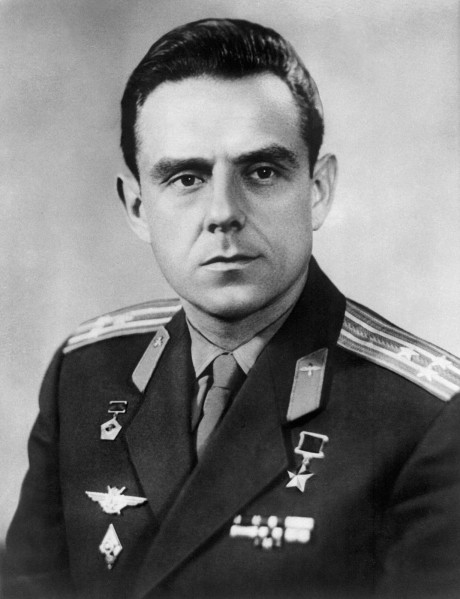
The disaster marked the first known human death during a spaceflight mission.
Conflicting accounts of Komarov’s final words
In the decades since the tragedy, Komarov’s final moments have been the subject of both documentation and debate.
A controversial account in the 2011 book Starman claims that intercepted communications captured Komarov expressing anger and despair as systems failed. However, historians and space experts have questioned the reliability of these claims.
More widely accepted transcripts, preserved in Russian archives and cited by institutions like Roscosmos, suggest a calmer tone. Komarov reportedly communicated professionally with ground control, indicating that separation procedures had occurred and maintaining composure despite the dire situation.
The contrast between these narratives reflects the broader uncertainty and secrecy that surrounded Soviet-era space missions.
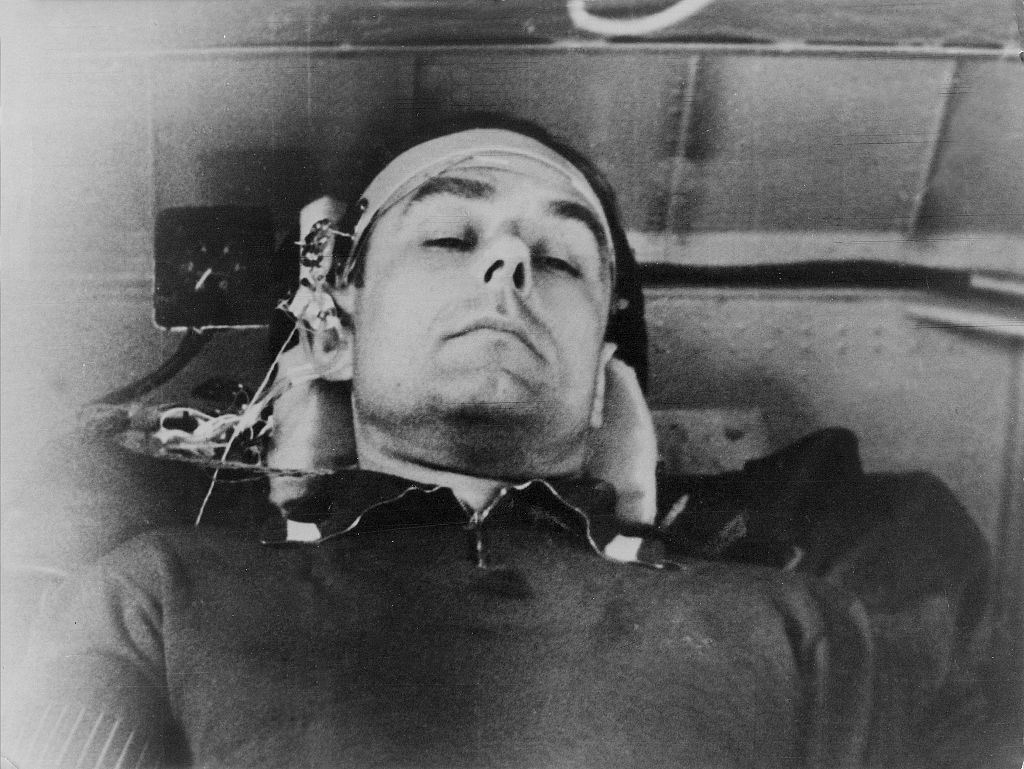
A mission launched under pressure
Evidence suggests that Soyuz 1 was not ready for flight.
Reports indicate that engineers had identified numerous design flaws before launch. According to research discussed by the Smithsonian National Air and Space Museum, political pressure during the Cold War played a significant role in pushing the mission forward.
The flight was intended to coincide with celebrations of Vladimir Lenin’s birthday, adding urgency to the timeline. Concerns raised by engineers and even fellow cosmonauts were ultimately overruled.
Komarov’s backup, Yuri Gagarin, the first human in space, is believed to have advocated for delaying the mission. Despite the risks, Komarov proceeded, a decision often interpreted as an act of duty and loyalty.
Komarov’s death sent shockwaves through the global space community, transcending Cold War divisions.
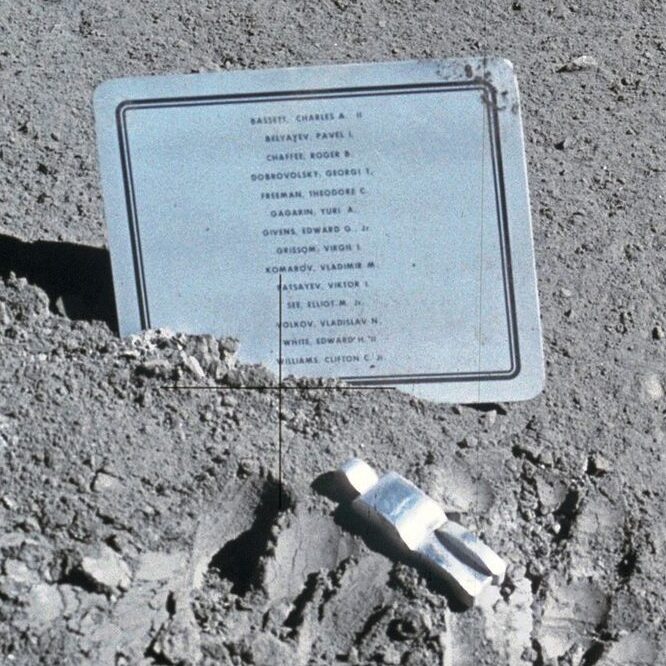
In a rare moment of shared respect, American astronauts later honored fallen Soviet cosmonauts. During the Apollo 11 mission, a small memorial was left on the Moon to commemorate those who had died in the pursuit of space exploration.
Further tribute came during Apollo 15, when a plaque and sculpture known as “Fallen Astronaut” were placed on the lunar surface, bearing Komarov’s name alongside others who lost their lives in early space missions.
The Soyuz 1 disaster became a turning point for the Soviet space program. It led to major design overhauls and stricter safety protocols in subsequent missions.
Today, Komarov is remembered not only for the tragedy of his final flight but also for his contribution to advancing human space exploration. His story stands as a powerful reminder of the risks faced by early astronauts and the importance of prioritizing safety over ambition.
As space agencies once again push toward the Moon and beyond, the lessons of Soyuz 1 remain as relevant as ever.