Louisiana father’s warning signs emerge after devastating killing of eight children
New details reveal troubling statements made weeks before one of the deadliest family tragedies in recent U.S. history

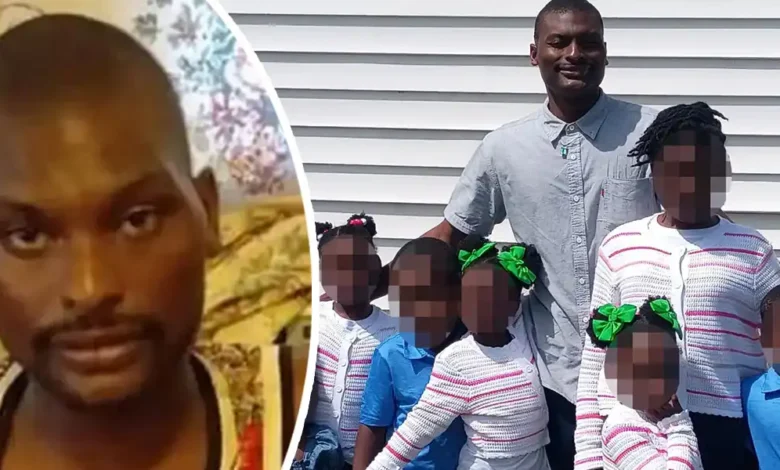
A quiet Louisiana neighborhood was shaken by an unthinkable act of violence when a father allegedly killed eight children inside his home, leaving investigators and grieving families searching for answers about what led to the tragedy.
Authorities in Shreveport, Louisiana, say the suspect, identified as 32-year-old Shamar Elkins, fatally shot seven of his own children and their cousin in the early hours of April 19. Police were called to the home shortly after 6 a.m. following reports of a domestic disturbance. Inside, officers discovered the victims, ranging in age from young children to preteens.
Two adult women in the home, believed to be Elkins’ wife and another partner, were also critically injured and taken to hospital. Officials say the children were attacked while they were asleep, highlighting the sudden and deeply disturbing nature of the violence.
Shreveport Police Chief Wayne Smith described the scene as one of the most difficult his department has ever encountered, telling reporters he could not comprehend how such an event could occur.
The suspect later fled the scene, leading police on a chase that ended when he was fatally shot during an attempted carjacking, according to law enforcement officials.
As investigators piece together what happened, new information has emerged suggesting Elkins had been struggling with serious emotional distress in the weeks leading up to the killings. According to reporting by The New York Times, he had confided in family members about being overwhelmed by “dark thoughts” and spoke about personal struggles he felt he could not overcome.
During a phone call on Easter Sunday, Elkins reportedly told his mother and stepfather that he wanted a divorce and expressed despair about his mental state. His stepfather later recalled trying to reassure him, urging him to seek help and reminding him that difficult moments can pass. Elkins, however, responded ominously, saying some people “don’t come back from their demons.”
Mental health experts say such statements can be warning signs of severe psychological distress. The National Institute of Mental Health emphasizes that expressions of hopelessness or withdrawal should be taken seriously and addressed with professional support. While most individuals experiencing mental health struggles are not violent, untreated crises can escalate in unpredictable ways.
Local officials confirmed that Elkins and his wife had been in the process of separating and were scheduled for a court appearance the following day. Family members described the children as kind, joyful, and full of life, underscoring the profound loss felt across multiple households.
The scale of the tragedy places it among the deadliest mass killings in the United States in recent years. Data compiled by the Associated Press in partnership with Northeastern University shows such incidents, while rare, have a lasting impact on communities and often prompt renewed discussions around domestic violence, mental health access, and early intervention.
As the community mourns, questions remain about whether more could have been done to identify and respond to warning signs before the situation escalated. For many, the focus now turns to supporting the surviving family members and honoring the lives of the children lost.