Nathalie Baye dies at 77 after battle with dementia
The award-winning actress, known for roles in French classics and international hits like Catch Me If You Can, leaves behind a legacy that shaped generations of cinema.


Nathalie Baye, one of France’s most celebrated actresses whose career spanned more than five decades, has died at 77 following a battle with Lewy body dementia, her family confirmed.
Baye passed away at her home in Paris on April 17, closing the chapter on a career defined by versatility, emotional depth, and international acclaim. Her death has prompted an outpouring of tributes from filmmakers, actors, and fans who remember her as both a formidable talent and a deeply human presence on and off screen.
Lewy body dementia, the condition Baye had been living with, is a progressive brain disorder that affects thinking, movement, and behavior. According to the Mayo Clinic, it is caused by abnormal protein deposits in the brain and often leads to memory loss, visual hallucinations, and a rapid decline in physical abilities. The disease has also affected other notable figures, highlighting its complex and often devastating nature.

A career that defined French cinema
Born in Normandy in 1948, Baye’s path to stardom was anything but conventional. She left school at 14 due to learning difficulties, including dyslexia, and initially pursued dance before transitioning into acting. That early decision would ultimately place her among the most respected performers in European cinema.
Her breakthrough came in the 1970s, when she collaborated with leading directors of the French New Wave and post-New Wave era. Over time, she built a reputation for nuanced, emotionally layered performances in films such as La Balance and The Return of Martin Guerre. Her work earned her four César Awards, France’s highest film honor, including three consecutive wins in the early 1980s.
Film historians often cite Baye as part of a generation that helped modernize French cinema. According to analysis by the British Film Institute, actors like Baye brought a new level of realism and psychological complexity to European film during that period.
Crossing into global recognition
While she remained a pillar of French cinema, Baye also reached international audiences. She appeared alongside Leonardo DiCaprio in Steven Spielberg’s Catch Me If You Can, playing his character’s mother, a role that introduced her to a wider global audience.
More recently, she appeared in Downton Abbey: A New Era, portraying a French aristocrat. The film performed strongly at the global box office and demonstrated her continued relevance well into her later years.
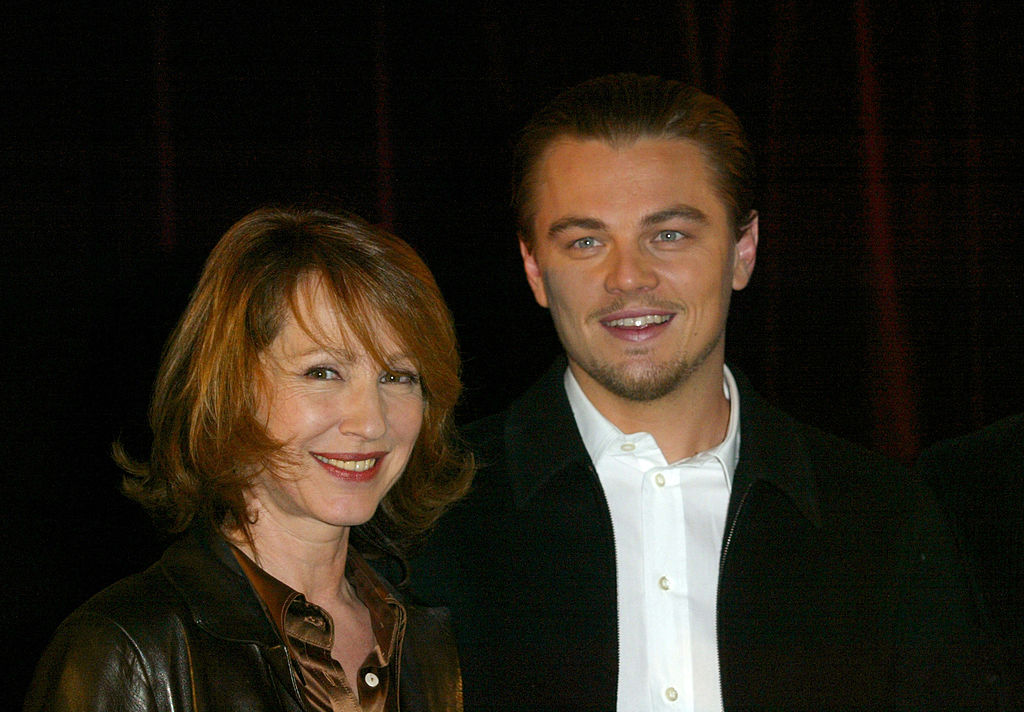
Beyond her professional achievements, Baye’s personal life also drew public interest. She had a high-profile relationship with French rock star Johnny Hallyday, with whom she shared a daughter, Laura Smet, who followed her into acting.
Friends and collaborators describe Baye as warm, spontaneous, and deeply loyal. Director Thierry Klifa, a close friend for over two decades, recalled her resilience and spirit even during illness. In interviews with French media, he described her as “radiant” and “full of laughter,” someone who faced life’s challenges with quiet strength.
Baye’s influence extended far beyond awards and film credits. Her performances helped shape modern French storytelling and inspired generations of actors across Europe and beyond.
As audiences revisit her work, her legacy remains firmly intact, not only in the films she leaves behind but in the emotional honesty she brought to every role.
Her death also brings renewed attention to Lewy body dementia, a condition that remains underrecognized despite its impact. Organizations like the Lewy Body Dementia Association continue to advocate for greater awareness and research into the disease.
Baye is survived by her daughter and grandson. For many, she will be remembered not just as a cinematic icon, but as a woman who carried grace, humor, and humanity through every stage of her life.