Netherlands Approves Law Allowing Human Embryos to Be Created Specifically for Scientific Research
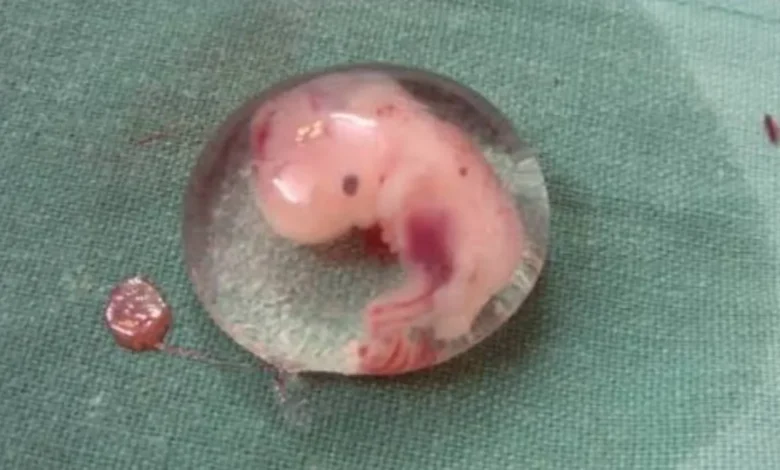
The Dutch Senate has approved controversial legislation allowing scientists to create human embryos specifically for research, marking a significant change in the country’s rules governing embryo research.
According to the NL Times, the bill, introduced by lawmakers from the D66 and VVD parties, narrowly passed the Senate with 38 votes in favor and 35 against.
The legislation had previously received the backing of 90 members of the Tweede Kamer, the lower house of the Dutch parliament, in December 2025.
D66’s Jan Paternotte and VVD’s Hilde Wendel, who introduced the proposal, argued that the change could contribute to medical breakthroughs, particularly in fertility treatment and the early detection of inherited diseases.
They believe allowing scientists to create embryos specifically for research could improve understanding of early human development and help advance treatments such as in vitro fertilization (IVF).
Christian Parties Oppose Bill Over Ethical Concerns
However, the proposal faced opposition from several Christian parties, which raised ethical concerns about creating human embryos solely for scientific experiments.
The SGP and ChristenUnie maintained their opposition in the Senate after voting against the proposal in the lower house. The Christian Democratic Appeal (CDA), meanwhile, was divided, with its members taking different positions in both chambers.
PVV senator Ilse Bezaan also announced before the vote that all senators from her party would oppose the legislation.
She described the proposal as “morally reprehensible”, arguing that it would allow human embryos to be created exclusively for research and subsequently destroyed.
Under the previous regulations, Dutch researchers could only conduct studies using embryos left over from fertility treatments, including IVF, and only with the consent of the individuals involved.
The newly approved legislation removes this restriction, allowing scientists to create embryos specifically to investigate the earliest stages of human development.
Strict Limits Set on How Research Embryos Can Be Used
However, the legislation establishes strict limits on how the research can be conducted.
Embryos created for research purposes cannot be kept for more than 14 days and cannot be implanted into a woman’s womb.
The legislation also does not permit reproductive cloning or clinical germline modification, which involves altering genetic material in a way that could be passed down to future generations.
Additionally, research proposals must receive approval from the Central Committee on Research Involving Human Subjects (CCMO), which assesses whether the proposed studies are scientifically justified and proportionate.
The legislation is expected to open new opportunities for scientific research while continuing to fuel ethical debates over the use of human embryos in medical experiments.



There are no comments yet. Why don't you write one?