New Pope shocks the internet with unexpected college degree — and it’s not theology
Pope Leo XIV’s math background stuns social media as he becomes the first American Pope with a knack for numbers

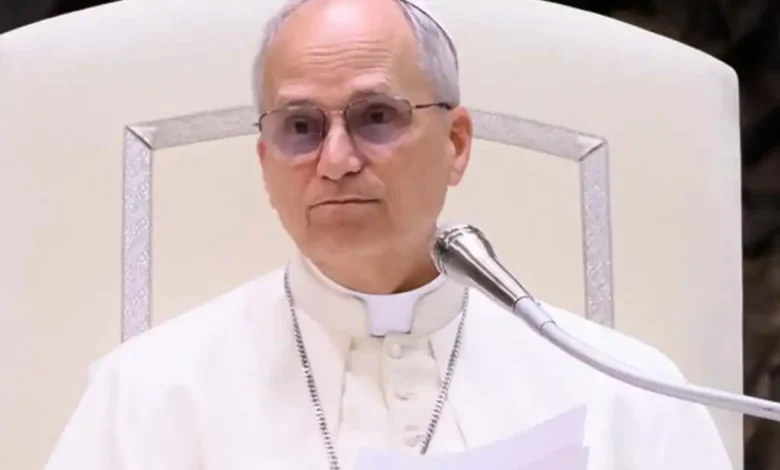
Pope Leo XIV may be leading the Catholic Church, but it’s his unexpected college major — mathematics — that has people online doing double takes.
Just days into his papacy, Pope Leo XIV, born Robert Prevost, is already making headlines — not just for his peaceful vision or humble tone, but for something from his past that no one saw coming. Long before becoming the leader of the Catholic Church, Leo earned a Bachelor of Science degree in mathematics from Villanova University in 1977. And when the internet found out, it couldn’t stop talking.
His story reads like a script – a boy from Chicago who knew by first grade that he wanted to be a priest, eventually rising to become the first American Pope. But tucked into his resume is an unusual twist — a math degree — that’s now turning heads and sparking jokes across social media platforms.
A different kind of holy calculation
People often expect future popes to study theology or philosophy — not calculus. That’s why so many were surprised when they discovered Pope Leo’s academic past. He also studied philosophy and speaks five languages, but it’s the numbers game that stole the show.
“The Pope being a math major means that he not only believes that Jesus multiplied bread and fish – he understands exactly how he did it,” joked one user on X (formerly Twitter). Another quipped, “The new Pope is from Chicago and has a math degree, which goes to show you can still make a success of your life even if you don’t pass the first-round interview at Jump.”
Others joked about the rough job market: “Just found out the new pope studied math at undergrad in case you’re wondering how tough the job market is for technical roles right now.”
While most comments were lighthearted, they all pointed to the same thing — people love discovering unexpected details about public figures, especially ones as prominent as the Pope.
Humble roots and a global path
Pope Leo’s journey to the papacy is rooted in service and education. Raised in a devout Catholic family with immigrant roots, he entered the seminary young and never looked back. After studying in the U.S. and Rome, he spent years in Peru as a missionary and later as Bishop of Chiclayo. Colleagues describe him as kind, approachable, and deeply spiritual — a man who sang, cooked pizza, and celebrated birthdays for a week straight.
“I think he knew it by first grade that he was going to be a priest,” said his brother, John Prevost. “It’s usually the other way around; he gives the advice to us.”
Like his predecessor, Pope Francis, Leo XIV is committed to peace, caring for the poor, and tackling global issues like climate change. In November 2024, he spoke at a seminar in Rome about environmental action, pushing for real solutions to the climate crisis. He also praised the Vatican’s efforts to go green with electric cars and solar energy.
In social matters, Leo is also seen as open-minded. He supported blessings for same-sex couples and backed efforts to include more women in Vatican leadership roles — though always with sensitivity to local cultures.
Math, mercy, and modern leadership
Now at the helm of the Catholic Church, Pope Leo has already used his platform to call for peace in Ukraine, Gaza, and across the globe. “No more war,” he urged from the Vatican balcony, warning of a “third world war in pieces.”
Pope Leo XIV’s math degree may seem like a fun fact, but it’s a reminder that leaders — even spiritual ones — come from diverse backgrounds. His mix of logic, faith, and compassion could help shape a Church that is both rooted in tradition and ready for tomorrow.
It also shows how surprising details can make even the holiest of figures more relatable. After all, if the Pope can ace a math test and still make it to the top, anything seems possible.
Pope Leo XIV is proving that leadership can come from unexpected places. Whether he’s solving equations or calling for world peace, he’s showing the world that the Church’s future can be smart, compassionate, and full of surprises. And yes — he might even be able to explain the miracle of the loaves and fishes with a graph.