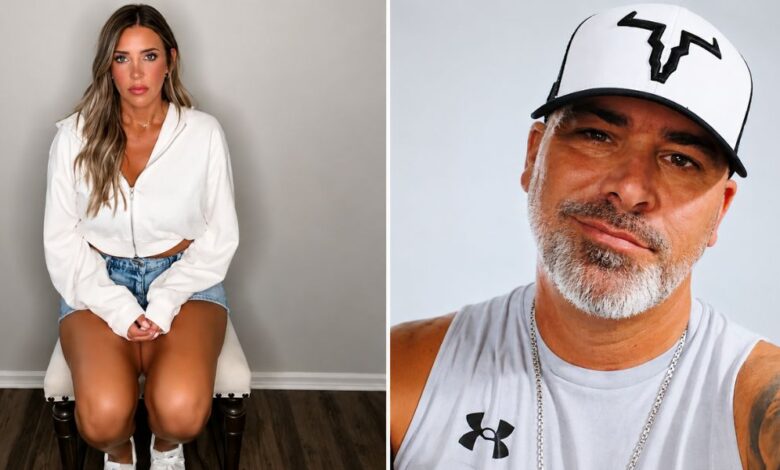
Oklahoma Influencer Sara Gilson Killed by Husband Weeks After TikTok Pedophilia Accusation

Sara Gilson, a 43-year-old Oklahoma TikTok creator, was found shot dead alongside her estranged husband, Jeremiah “Shawn” Duffey, 48, in what police are calling an apparent murder-suicide. The deaths came less than two weeks after Gilson publicly accused Duffey of pedophilia in a viral TikTok video, and about six weeks after she was granted a protective order against him. Her young son called 911 from a neighbor’s house. The investigation is ongoing.
A protective order, then a viral video
In June, a 15-year-old girl and her mother reported to Owasso police that Duffey, who coached the girl’s travel basketball team, had touched her inappropriately during a game, allegedly witnessed by another coach who stepped in. Police told Gilson about the allegation the next day. Investigators later said similar conduct had reportedly been reported against Duffey before, in more than one state.
Gilson was granted an emergency protective order on June 10, requiring Duffey to stay at least 100 yards from her at all times, according to Tulsa County court records cited by NBC News. On July 11, she posted a TikTok using a popular “Netflix documentary” trend to tell followers she’d learned her soon-to-be ex-husband was a pedophile. The video reached more than 15 million views.
What happened that night
Twelve days later, on the night of July 23, police responded to a domestic violence call at a home in Collinsville, Oklahoma. Officers found Gilson and Duffey both dead from gunshot wounds. Police believe Duffey shot Gilson before turning the gun on himself, though the investigation is still active and no final ruling has been made public.
Gilson’s son ran to a neighbor’s house and called 911 himself, telling dispatchers his stepfather had shot his mother. He’s since been released to the care of a parent not involved in the incident. Gilson also leaves behind a daughter.
Why a protective order didn’t stop this
Protective orders create legal consequences for violating them, but they don’t physically stop someone determined to ignore one, something domestic violence advocates have long pointed out. Gilson had done what’s generally recommended: she reported the threat, got the order, and made her situation public. None of it changed the outcome here.
Cases like this one are why advocates keep saying protective orders reduce risk but don’t eliminate it, especially in the weeks right after a survivor leaves. If you or someone you know is dealing with a similar situation, safety planning alongside a protective order, not instead of one, is what advocates recommend.