RFK Jr sparks outrage with new autism claims tied to circumcision and Tylenol
Despite no medical proof, Robert F. Kennedy Jr. continues to link everyday health choices to autism, raising alarm among experts.

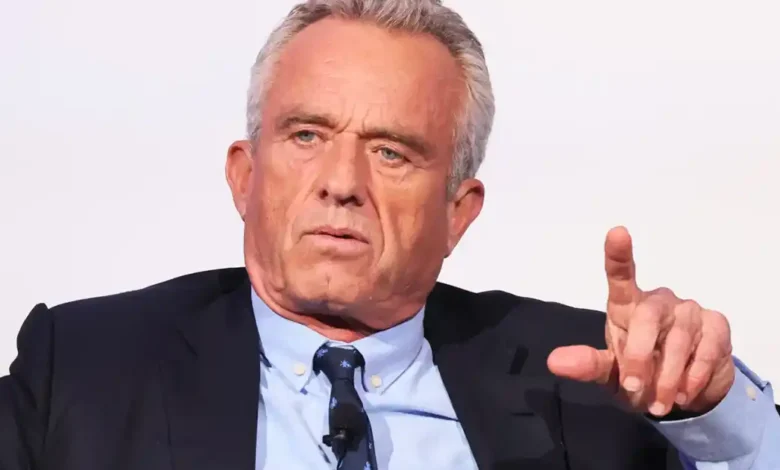
Health Secretary Robert F. Kennedy Jr. is under fire again for pushing unproven autism theories — this time tying circumcision and Tylenol use to the condition during a recent Cabinet meeting with Donald Trump.
Robert F. Kennedy Jr., who has a long history of promoting controversial health views, is once again at the center of a public health debate. During a recent high-profile meeting with Donald Trump and other Cabinet members, Kennedy revived his disputed belief that common painkillers like Tylenol may be linked to autism — despite widespread scientific disagreement.
But that wasn’t all.
Kennedy went a step further, claiming that circumcised baby boys are more likely to be autistic because they’re often given Tylenol after the procedure. The remark sparked immediate backlash, as the theory is based on outdated and inconclusive research.

What the science actually says
Kennedy’s comments appear to reference a 2015 Danish study that observed a potential correlation between circumcision and autism. However, the researchers clearly stated that there was no evidence showing that Tylenol or circumcision causes autism — only that more research was needed.
The study didn’t track what medications the children received and warned against drawing strong conclusions. In short, correlation does not equal causation.
Medical experts have repeatedly emphasized that no credible scientific evidence links Tylenol — a widely used pain reliever — to autism. The National Autistic Society has condemned the recent claims as “dangerous, anti-science, and deeply irresponsible.”
In the same meeting, Kennedy made a puzzling comment about a woman “gobbling Tylenol with a baby in her placenta,” confusing basic anatomy. (Fact check: Babies grow in the uterus, not the placenta.)
He further blamed what he called “Trump derangement syndrome” for people ignoring his warnings, implying that political bias was driving medical decisions — a statement that only deepened concerns among experts.
RFK Jr: There are two studies that show children who are circumcised early have double the rate of autism. It’s highly likely because they were given Tylenol.”
Wut
pic.twitter.com/dliR1agiEJ— Republicans against Trump (@RpsAgainstTrump) October 9, 2025
Former President Barack Obama has weighed in, warning that such comments from high-level officials risk undermining public health and trust in science.
When someone in power, especially a public health leader, spreads unproven medical claims, it can confuse the public and lead to real harm. Experts fear Kennedy’s words could cause parents to avoid necessary medical care or fear routine procedures based on shaky science.
Tylenol’s manufacturer strongly denied the allegations, stating it “disagrees with the claims,” while doctors continue to urge people to follow evidence-based health advice.
A dangerous mix of influence and misinformation
Robert F. Kennedy Jr.’s continued push to connect autism with everyday medical practices has many worried. While free speech allows people to share opinions, experts argue that public figures must be more responsible, especially when lives and health are at stake.
As one critic put it: “When you wear the title of Health Secretary, your words carry weight — and they should be rooted in truth, not fear.”
Do you think public officials should be held accountable for spreading medical misinformation? Join the conversation and share your thoughts.