Sharon and Ozzy Osbourne had longstanding euthanasia agreement before his death
The late rock legend and his wife agreed decades ago on assisted suicide if they ever developed dementia or debilitating illness, reflecting fears about health and dignity.

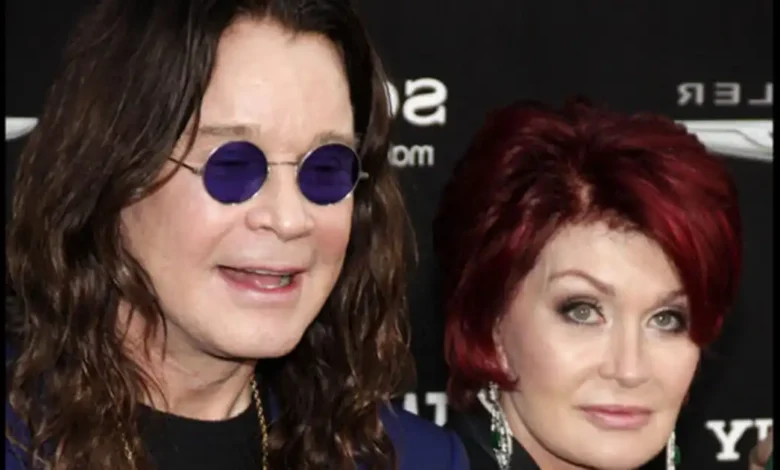
Rock icon Ozzy Osbourne, who passed away Tuesday at age 76, had openly discussed an assisted suicide agreement with his wife Sharon Osbourne years earlier, a topic now revisited amid his death after a long struggle with Parkinson’s disease.
Ozzy Osbourne, famous for founding the influential rock band Black Sabbath and his successful solo career, died peacefully at home surrounded by family. He had publicly battled Parkinson’s disease since 2019, a condition that severely affected his mobility and led to multiple surgeries.
Sharon Osbourne first disclosed in her 2007 autobiography, Survivor: My Story – The Next Chapter, her fears of developing dementia, recalling the devastating impact it had on her father’s life. She candidly shared that she and Ozzy had made a clear agreement on euthanasia—specifically assisted death in Switzerland—should either of them ever face dementia or severe neurological deterioration.
“If this disease is to be my fate, I don’t want to repeat history and go through what my father has gone through,” Sharon wrote. She explained that they had already drawn plans to travel to Switzerland, where euthanasia is legal, if necessary, calling it “a final gift of love” to their children.
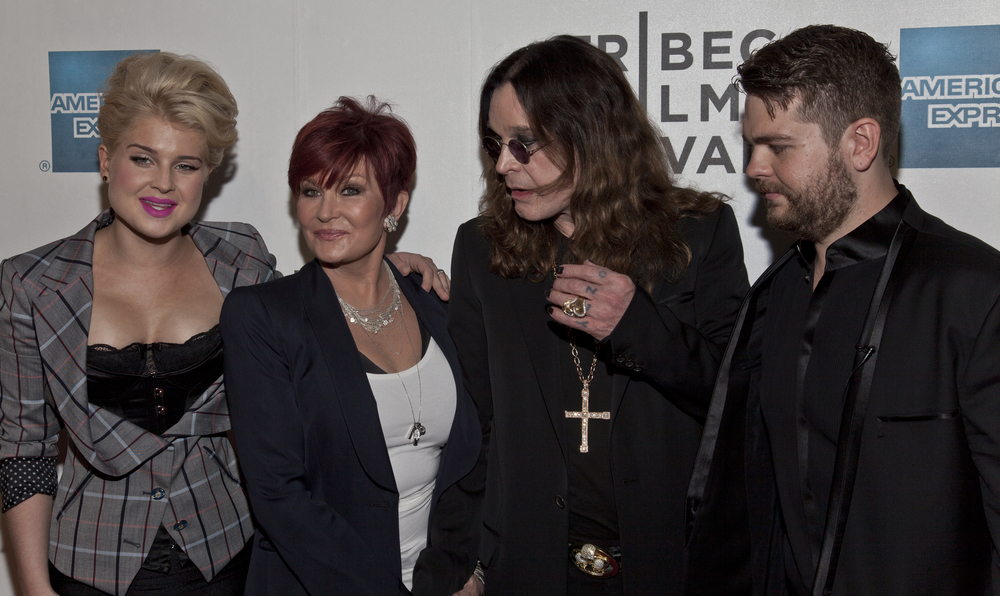
Agreement revisited in the months before Ozzy’s death
Though Ozzy’s health had declined significantly in recent months, the official cause of his death remains undisclosed. However, attention again turned to the couple’s euthanasia discussions this year. Sharon reaffirmed their position publicly in a 2023 episode of the family’s podcast, The Osbournes Podcast, emphasizing her determination to avoid mental or physical suffering.
“Do you think we’re going to suffer instead? Mental suffering is enough pain without physical pain. If you suffer pain with your mind and body, then it’s goodbye,” Sharon stated openly.
The subject stirred controversy within the family. Their daughter, Kelly Osbourne, previously dismissed reports about her parents’ euthanasia agreement, calling it an attention-seeking exaggeration by Sharon.
Yet, Ozzy himself had also addressed euthanasia candidly in a 2014 interview, clearly expressing that he would prefer assisted death if he could no longer live independently or without dignity.
“If I can’t live my life the way I’m living it now, then that’s it… Switzerland,” Ozzy told the Daily Mirror at the time. “If I had a stroke and was paralyzed, I don’t want to be here.”
Family remains private during mourning
Following Ozzy’s death, his family requested privacy, focusing now on grief rather than discussing their previously publicized agreements about assisted dying.
Ozzy’s final public appearance was just weeks before his passing, where he performed seated due to his declining health. His farewell concert in his hometown of Birmingham now serves as a powerful final moment for fans and family alike.
In the wake of his death, Ozzy Osbourne’s life and legacy—as well as his outspoken discussions on euthanasia—invite broader conversations around dignity, suffering, and personal choice at the end of life.