She survived a suicide attempt—then made U.S. medical history with a face transplant
At 18, Katie survived a suicide attempt—and became the youngest American to receive a face transplant, beginning a long path to recovery

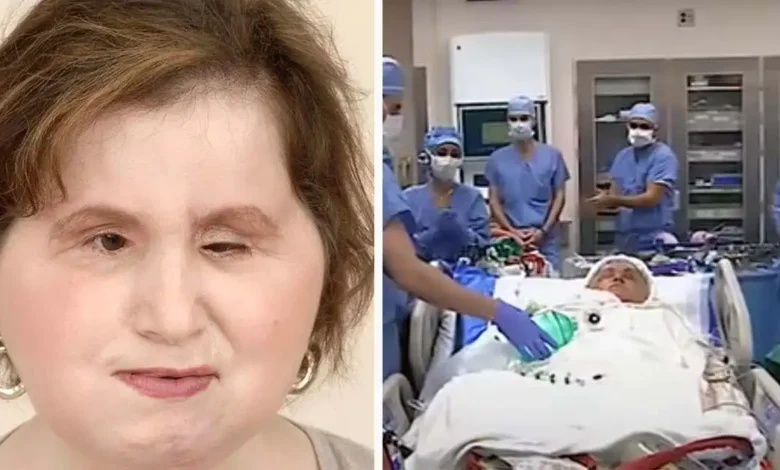
Katie Stubblefield survived a gunshot wound to the face at 18. At 21, she became the youngest person in the United States to undergo a face transplant—an extremely rare, high-risk surgery that gave her the ability to speak, eat, and rebuild her life.
Katie Stubblefield was an ambitious, funny, and determined teenager. Her family moved frequently for work, but she remained focused on academics and athletics while attending a Christian school in Oxford, Mississippi. In her senior year of high school, health problems and emotional stress began piling up.

She had undergone multiple abdominal surgeries, including gallbladder removal and treatment for chronic gastrointestinal issues. At home, financial pressures mounted when both her parents were let go from their teaching jobs. And her relationship with her high school boyfriend—one she once imagined leading to marriage—ended abruptly after she discovered text messages from another girl.
On March 25, 2014, feeling overwhelmed and heartbroken, Katie drove to her brother’s house. Not long after she arrived, she went into the bathroom and shot herself in the face.
Her family feared the worst. But against all odds, Katie survived.
“I had no clue what a face transplant was”
The injuries were devastating. Katie lost her nose, cheeks, upper jaw, and much of her forehead. Her eyes remained but were severely damaged. Doctors described her wound as one of the most complex they had ever seen.
Her parents were told that Katie’s only hope of regaining function and quality of life was a full face transplant—a highly experimental procedure that had only been performed about 40 times worldwide at that point.
“I had no clue what a face transplant was,” Katie later said. “When my parents helped explain everything to me, I was very excited to get a face again and to have function again.”
She was placed on a waiting list, and after a year, a donor was found: 31-year-old Adrea Schneider, whose family agreed to donate her facial tissue.

What is a face transplant?
A face transplant is an intricate surgery that replaces part or all of a person’s face using tissue from a deceased donor. It can involve the skin, muscles, nerves, blood vessels, bones, and teeth. As of 2025, fewer than 50 full face transplants have been performed globally, with the Cleveland Clinic being a leader in the field.
A 31-hour surgery that changed her life
On May 4, 2017, a team of 11 surgeons at the Cleveland Clinic performed the 31-hour surgery, which included transplanting:
- Scalp and forehead
- Upper and lower eyelids
- Eye sockets and nose
- Upper cheeks and jaws
- Facial muscles, nerves, and skin
- Upper and lower teeth

“To call my surgeons, physicians, nurses, and caregivers ‘world class’ would be an understatement,” Katie said in a statement. “To my donor and her family—words cannot express the appreciation I have for this incredible gift.”
Recovery, rehabilitation, and daily life
Katie’s recovery was complex and physically demanding. Her parents became her full-time caregivers. She had a two-and-a-half page list of daily medications to prevent organ rejection and manage healing.
Her weekly routine included:
- Speech therapy (4x/week)
- Braille lessons (2–3x/week)
- Occupational therapy (1x/week)
- Physical therapy (2x/week)
- Personal training (2x/week)
Speaking was one of her biggest challenges. Because the transplant included the donor’s mouth and Katie’s own soft palate was severely damaged, her voice changed significantly. She described it as “like a frog,” and often needed her parents to help interpret what she was saying.

“I’m able to touch my face now, and it feels amazing,” Katie told CNN. “You take it for granted—the bone, the tissue, the muscle, everything—but when it’s gone, you recognize the big need.”
Fourteen months after the surgery, doctors performed three follow-up operations to reduce scarring, refine her eyelids, and improve function. Katie’s long-term goals now include attending college online and eventually working as a counselor or motivational speaker.
She hopes to use her story to help others struggling with emotional health.
If you or someone you know is struggling with suicidal thoughts, help is available 24/7:
- National Suicide Prevention Lifeline (U.S.): 988 or 988lifeline.org
- Crisis Text Line: Text HOME to 741741
- International resources: Find help globally via Befrienders Worldwide