13 sustainable ways to reuse eggshells instead of tossing them
From natural calcium to garden gold, here’s why eggshells deserve a second life

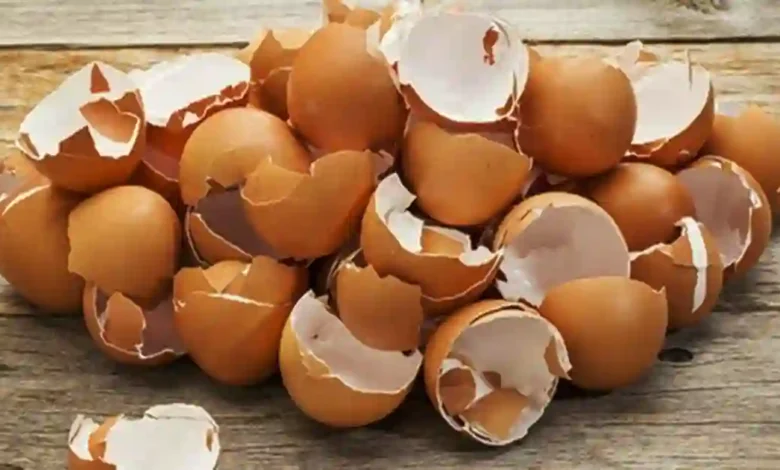
The sound of an eggshell cracking is so familiar that most of us don’t think twice before sweeping it into the trash. Yet that small shell, fragile and chalky in your hand, holds more value than it seems.
Eggshells are made up of about 95% calcium carbonate, the same mineral found in bones and teeth. They also contain small amounts of magnesium, potassium, zinc, and iron. (Healthline) Beneath the surface are two thin membranes rich in proteins that protect against bacteria. It’s a tiny design of nature worth saving, not throwing away.
Prepare eggshells safely for use
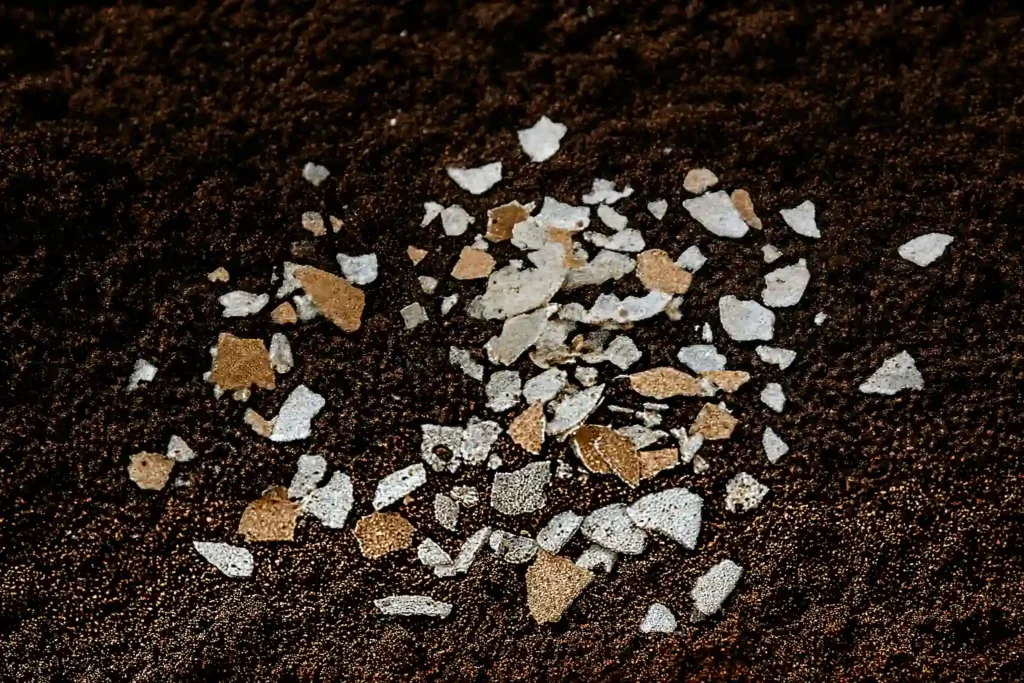
Rinse each shell to remove any residue, then boil them for about 10 minutes to eliminate bacteria like Salmonella. Let them dry completely, either on a towel or in the oven at low heat (around 200°F / 93°C). Once dry and crisp, grind the shells into a fine powder. The finer the texture, the easier it is for the body to absorb the calcium. (Pete and Gerry’s Organic Eggs)
Add powdered shells to food for calcium
A small pinch, about half a teaspoon, can be stirred into smoothies, oatmeal, yogurt, or soup. The powder is almost tasteless and adds a natural source of calcium. Be mindful, though—too much calcium can strain the kidneys. (Healthline)
Natural calcium for stronger bones
Research suggests that eggshell powder can be absorbed more effectively than regular calcium carbonate supplements. In one study, it helped improve bone density in post-menopausal women when combined with vitamin D3 and magnesium. (PubMed)
Feed the soil, not the trash
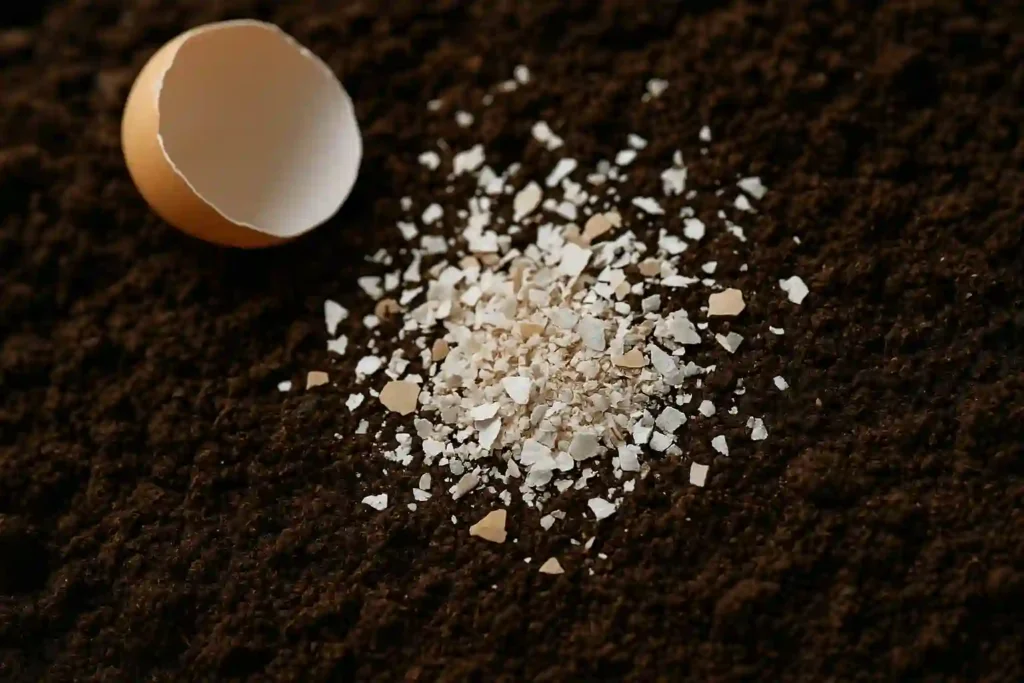
Crushed eggshells break down easily in the soil, releasing calcium and trace minerals that support healthy plant growth. They can also prevent blossom-end rot in tomatoes and peppers, which often happens when soil lacks calcium. (The Spruce)
Start seedlings in shell pots
Half eggshells make perfect biodegradable cups for seedlings. Rinse them, fill with soil, and plant your seeds. When the seedlings are ready to move, crack the shell slightly and plant it whole. As it decomposes, it enriches the roots with nutrients.
Keep pests away naturally
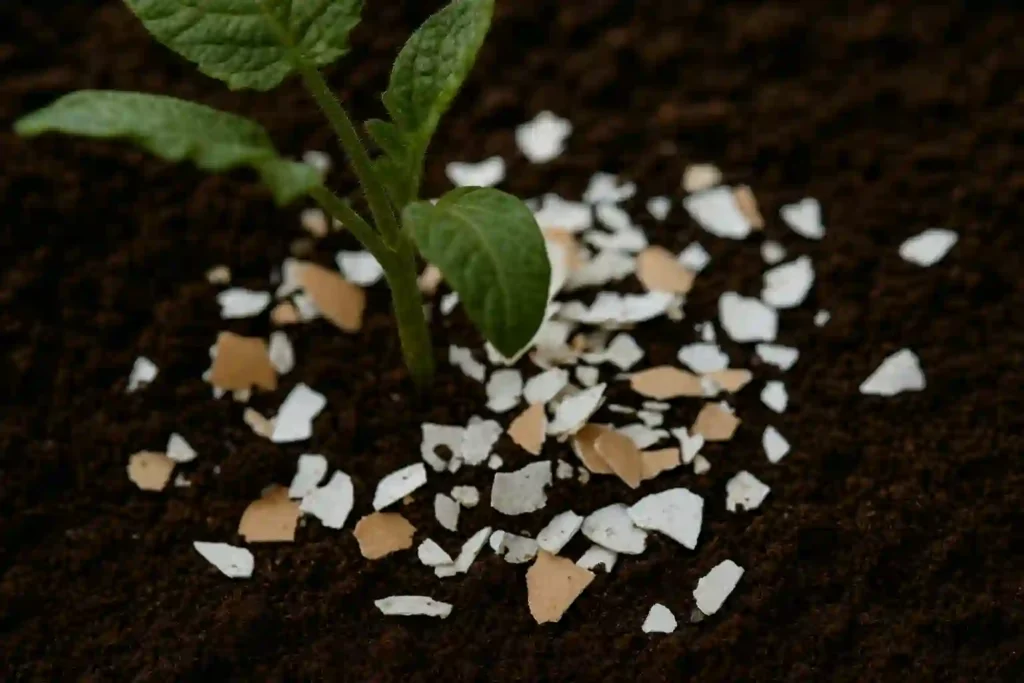
Scatter broken shells around plants to keep slugs and snails at bay. Their sharp edges create a natural barrier that protects your garden without chemicals. (Baking Mad)
Improve drainage and aeration
Place crushed shells at the bottom of plant pots to help water drain freely and improve air circulation in the soil. Replace them occasionally as they begin to break down.
Boost your compost pile
Adding crushed shells to compost helps balance acidity and adds minerals. They break down slowly but enrich the compost over time. (Pete and Gerry’s Organic Eggs)
Gentle household scrub
For an eco-friendly cleaner, mix crushed shells with a bit of soapy water. Use the mixture to scrub vases, pots, or jars with stubborn residue. The shells act as a gentle abrasive that removes buildup without scratching. (Preparedness Mama)
Balance soil pH
Eggshells are naturally alkaline, so they can help neutralize acidic soil. This is especially useful for plants like hydrangeas, where soil pH affects the color of the blooms.
Feed backyard birds
Crushed eggshells are an excellent source of calcium for wild birds and backyard chickens. Rinse and bake them before scattering to ensure they are clean and safe. (Farmers’ Almanac)
Practice zero-waste living
Saving eggshells may seem small, but it’s a simple way to reduce waste and see everyday items differently. Keep a small jar near the sink to collect them, and you’ll soon find plenty of uses.
Build a mindful kitchen habit
Reusing eggshells takes almost no effort. It’s a quiet habit that gives something back—to the garden, to your body, and to the planet.
The next time you crack an egg, pause for a moment. Feel the thin shell between your fingers. Instead of tossing it away, let it dry beside the sink as a reminder that even the smallest things can have another purpose.