The truth about cremation— What really happens to the body and the soul
Former funeral worker shares facts and faith behind what happens after death

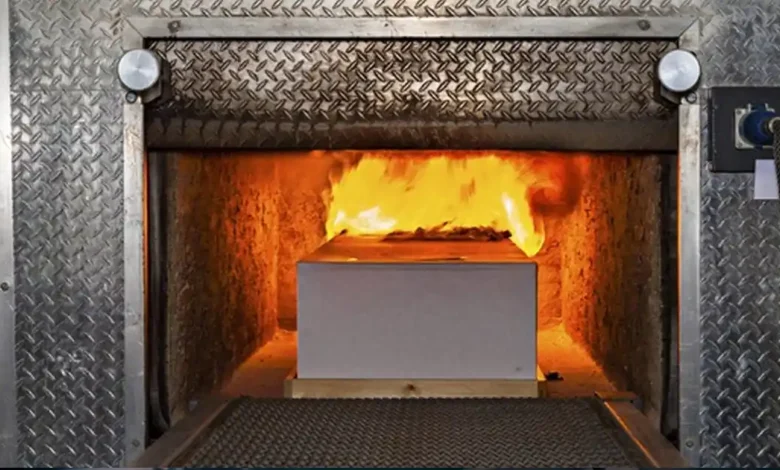
Cremation often feels mysterious or even uncomfortable — but understanding what really happens during the process can bring peace of mind. A former funeral home worker is helping millions learn the truth, from how ashes are identified to what different cultures believe happens to the soul.
Death is one of life’s biggest unknowns — and for many, cremation adds to that uncertainty. It’s not a common topic of conversation, but as more people choose cremation over traditional burial, curiosity grows.
Lauren, a former funeral worker with over 2.5 million followers on TikTok (@lovee.miss.lauren), is breaking down the myths. In her viral videos, she answers the questions people are often too shy to ask, offering clarity on everything from what happens to the body to what cremation means for the soul.
One of the biggest fears people have is whether the ashes they receive truly belong to their loved one. Lauren explains that every body sent to a crematorium is given a special metal tag with a unique ID number.
This tag stays with the body from start to finish. After the process, the ashes are sealed and labeled, and a certificate is issued with the deceased’s name and registration number. This system ensures respect and accuracy every step of the way.
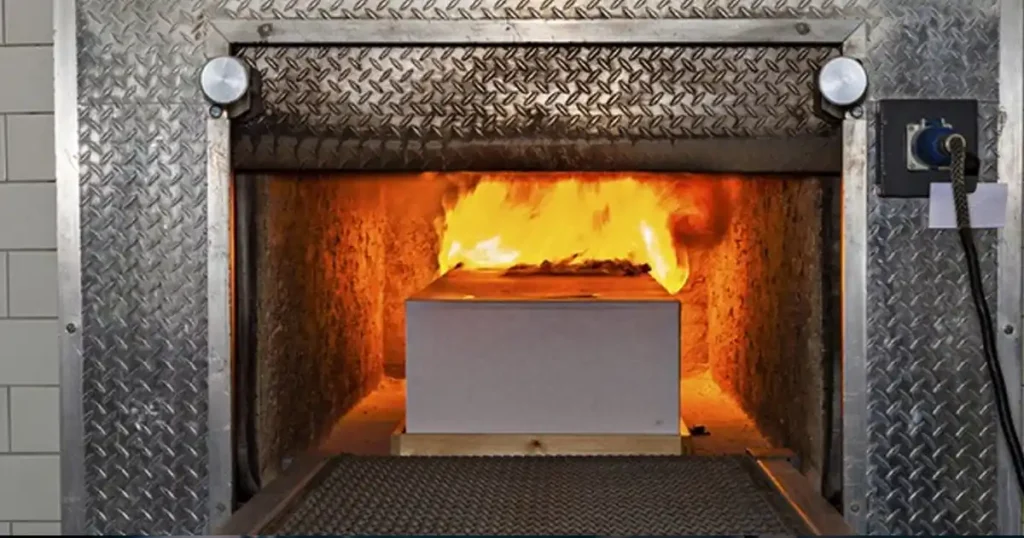
Some questions Lauren gets may seem unusual, but they’re valid — like what happens if a woman passes away during her period. Her answer: everything is handled with dignity. Items like tampons are removed, especially if embalming or an autopsy is involved.
Louise Singer, a UK-based crematorium manager, also points out that coffins are checked for items like pacemakers, which can be dangerous during cremation due to the extreme heat. Safety, she says, always comes with care and respect.
What cremation means for the soul
The question of the soul goes far beyond science — and different faiths see it very differently.
In Hinduism and Buddhism
Cremation is seen as sacred. Hindus believe the soul moves on to another life, and fire helps release it from the body. In Buddhism, cremation is about honoring the cycle of life and death, with the soul continuing through rebirths.
In Christianity
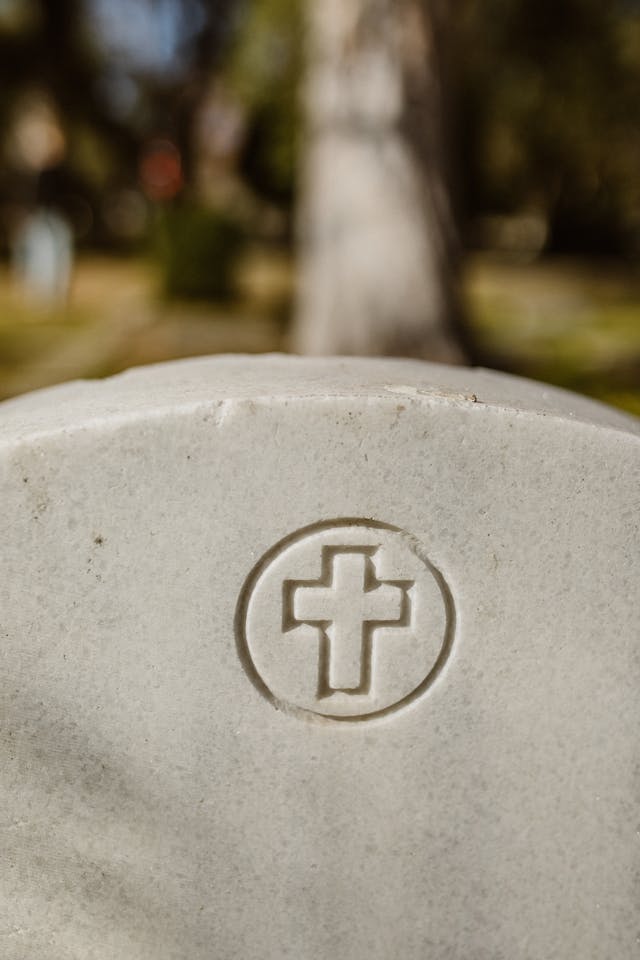
Many Christians once preferred burial, believing it was more in line with the promise of resurrection. Today, most churches accept cremation, as long as it reflects respect and faith in God. Christians generally believe that how the body is treated doesn’t change the fate of the soul — which depends on one’s relationship with God.
In Islam
Cremation is strictly forbidden. Muslims believe the body must be buried quickly and respectfully, as the soul remains connected to the body until the Day of Judgment. Burial is part of spiritual responsibility.
For secular and spiritual individuals
Not everyone ties cremation to religion. Some people see it as a way to return to nature, or believe the soul lives on in memories or merges with the universe. Others, like humanists or scientists, believe life ends at death — making cremation a practical or eco-friendly choice.
Cremation may seem mysterious, but once you understand the facts — from careful tracking of remains to the cultural meaning of the process — it becomes less frightening. Whether you’re guided by faith, spirituality, or personal beliefs, cremation can be a thoughtful and respectful way to say goodbye.
What do you believe happens to the soul after cremation? Join the conversation and share your thoughts.