This man was left for dead on Everest — and lived to tell the story
Lincoln Hall’s incredible survival on the world’s deadliest mountain defied all odds

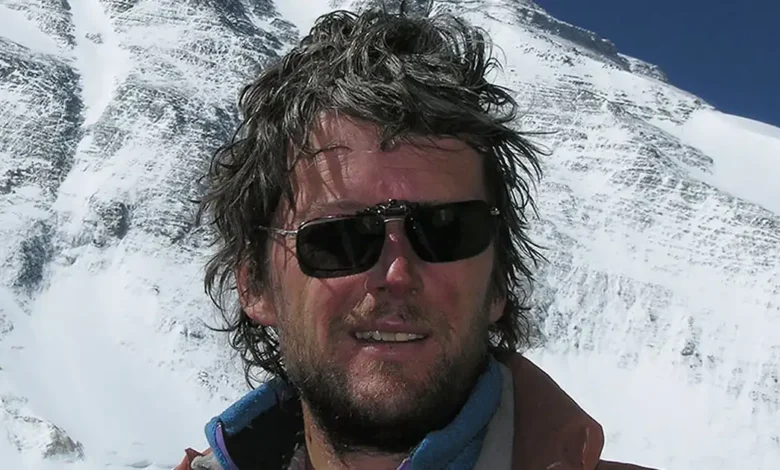
Australian climber Lincoln Hall was left for dead high on Mount Everest after collapsing near the summit — but against all odds, he survived a night alone at 28,000 feet. What happened next became one of the most miraculous survival stories in mountaineering history.
In 2006, experienced mountaineer Lincoln Hall attempted to reach the summit of Mount Everest. At around 8,600 meters (28,200 feet), just shy of the top, disaster struck — Hall developed cerebral edema, a dangerous brain swelling caused by extreme altitude.
His Sherpa guides tried everything to help, but as his condition worsened, they believed he had died. With nightfall fast approaching and their own lives at risk, they made the agonizing decision to leave his body behind.
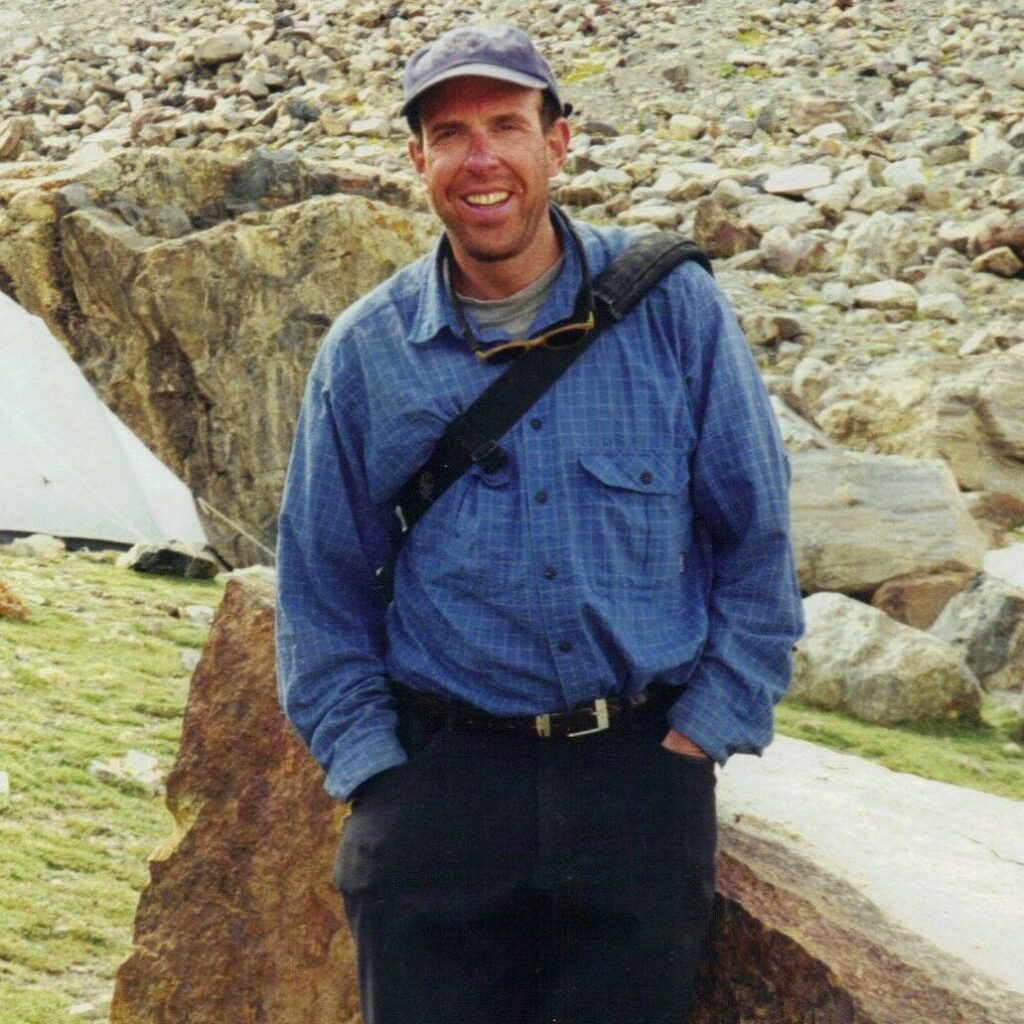
Back home, Hall’s family received the devastating news: Lincoln had died on Everest.
But they were wrong.
Left alone on a cliff
Hall was somehow still alive — but barely. He spent the night alone on a narrow ridge, with a sheer 8,000-foot drop beside him, dressed in only a thin fleece. His gloves, hat, and oxygen had been taken by those who thought he was dead.
By morning, he was hallucinating, frostbitten, and utterly exposed to the brutal conditions.
That’s when a miracle happened.
A chance encounter that changed everything
Another group of climbers, led by American Dan Mazur, spotted Hall sitting upright in the snow — alive, but clearly in grave danger. “I imagine you are surprised to see me here,” Hall reportedly said.
Without hesitation, Mazur and his team — Andrew Brash, Myles Osborne, and Jangbu Sherpa — abandoned their own summit attempt to save him.
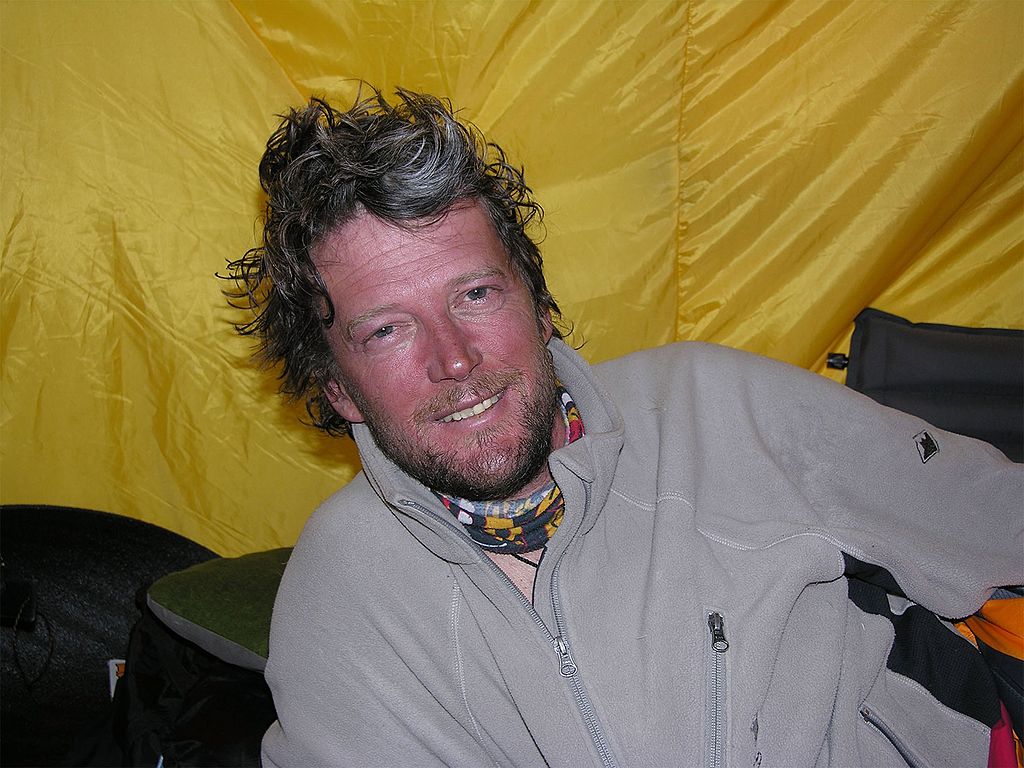
They gave him oxygen, food, warm clothes, and stayed by his side for hours while coordinating a rescue.
“We didn’t discuss the decision to help. We all knew what we had to do,” Mazur later told The Bulletin. “You can always go back to the summit, but you only have one life to live.”
From near death to survival
Thanks to their selfless act, Lincoln was eventually brought down the mountain and began a long recovery. He suffered frostbite and lost fingertips and a toe, but he survived — something nearly unheard of at that altitude.
He later chronicled the experience in his memoir, Dead Lucky: Life After Death on Mount Everest, reflecting on the thin line between life and death and how Tibetan Buddhism shaped his view of survival.
Despite the trauma, Hall said he bore no anger toward the team that left him, understanding the difficult decision they had faced.
Dan Mazur and his team were praised worldwide. They received letters of admiration from U.S. officials, including Condoleezza Rice and Governor Christine Gregoire, and were featured by National Geographic for their heroism.
Mazur later admitted, “I really wished we hadn’t found him there, but since we did, there was no choice.”
Lincoln Hall’s final years
After Everest, Lincoln continued to climb, write, and support humanitarian causes in Nepal. In 2012, six years after his near-death experience, he passed away from mesothelioma, a rare cancer linked to asbestos exposure during his earlier years in construction.
He was 56 and left behind a wife and two sons.
Lincoln Hall’s survival is more than just a tale of endurance. It’s a powerful reminder that even in the harshest places on Earth, humanity and courage can shine through — and that sometimes, a second chance at life can come when you least expect it.