Twisted claims emerge about wealthy tourists accused of paying to kill civilians during Sarajevo siege

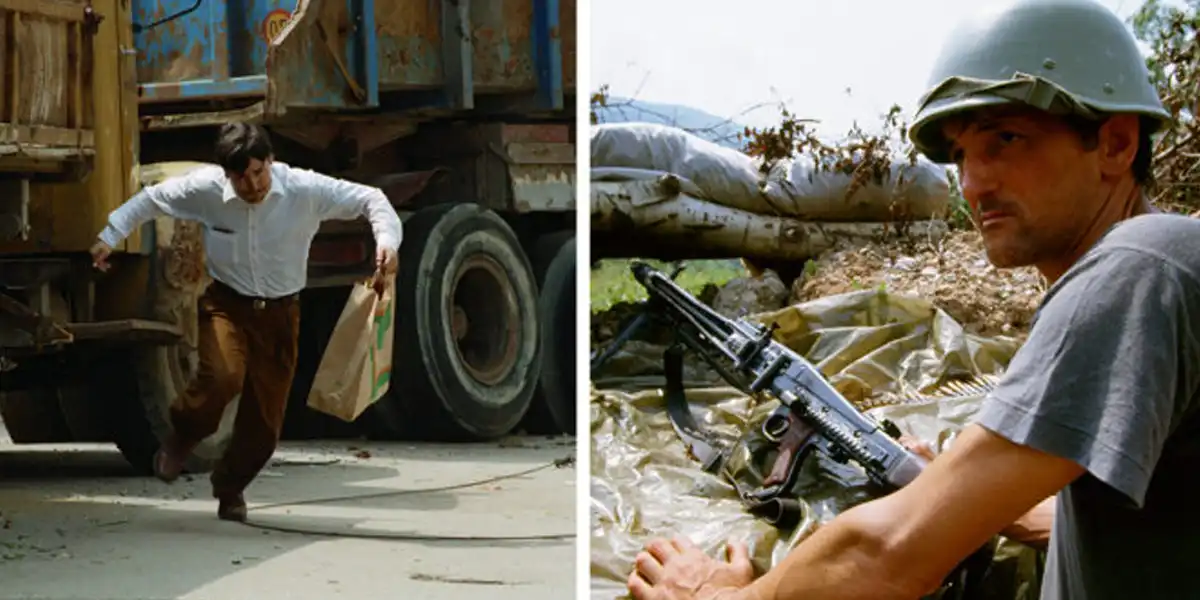
New allegations linked to the Bosnian War describe so-called “human safari” trips where foreign visitors allegedly paid huge sums to shoot innocent people trapped in Sarajevo.
Disturbing new allegations are drawing attention to one of the darkest chapters of the Bosnian War, with claims that wealthy foreigners paid enormous amounts of money to shoot civilians during the Siege of Sarajevo in the 1990s.
The siege, which lasted from 1992 to 1996, remains the longest siege of a capital city in modern history. More than 11,000 people were killed as Sarajevo endured relentless sniper attacks, shelling, and violence that devastated everyday life.
Now, renewed attention is being placed on long-circulating claims that some outsiders treated the war zone like a deadly game.
Italian journalist Ezio Gavazzeni previously alleged that rich foreigners traveled to Sarajevo during the conflict and paid large sums for the opportunity to target civilians. In comments reported by The Guardian, Gavazzeni claimed the participants came from several Western countries and were motivated not by politics or ideology, but by thrill-seeking and personal gratification.
The allegations have resurfaced following the publication of Pay and Shoot, a book by Croatian journalist Domagoj Margetic. According to Margetic, foreign participants allegedly paid Bosnian-Serb handlers tens of thousands of Deutsche marks to fire on civilians trapped inside the besieged city.
🚨 EUROPEAN ROYAL “HUNTED CHILDREN” in the infamous “Sarajevo Safari,” according to shocking allegations now under investigation in Italy.
During the Siege of Sarajevo (1992–1996), which lasted 1,425 days and killed more than 10,000 civilians, reports claim wealthy Europeans… pic.twitter.com/yqK7tsOz7L
— Our Country Our Choice (@OCOCReport) May 7, 2026
Among the most horrifying claims are allegations that higher prices were attached to targeting women, including pregnant women. Margetic also alleged that some participants competed over who could kill the “most beautiful” victims.
The journalist said his reporting relied partly on documents from Bosnian intelligence officer Nedzad Ugljen, who was killed in 1996 under circumstances that remain controversial.
Margetic further claimed that members of Bosnian-Serb militia units described a European royal figure allegedly participating in the shootings, though no public evidence has definitively confirmed those accusations.
During the war, areas like Sarajevo’s infamous “Sniper Alley” became symbols of civilian terror. Residents risked death simply by crossing streets, collecting water, or searching for food.
Some testimony appears to support parts of the allegations. Former U.S. Marine John Jordan reportedly told the UN tribunal for the former Yugoslavia in 2007 that he witnessed a foreign individual handling heavy weaponry awkwardly, describing the behavior as similar to someone inexperienced with combat.
Still, the claims remain heavily disputed.
Several British soldiers stationed in Sarajevo during the conflict later told the BBC they never encountered evidence of organized “tourist sniper” operations. Some suggested the stories may have grown into wartime myths over time, noting the extreme logistical difficulties of moving civilians through active military zones filled with checkpoints and ongoing fighting.
Even so, the allegations continue to provoke outrage because they touch on the broader horrors civilians endured during the Bosnian War. The conflict, marked by ethnic violence and atrocities, left deep scars across the region that are still felt decades later.
According to the United Nations International Residual Mechanism for Criminal Tribunals, the siege subjected Sarajevo residents to years of constant fear, indiscriminate attacks, and sniper fire. Historical reporting from Encyclopaedia Britannica and the BBC has documented how civilians became routine targets during the conflict.
While some details surrounding the alleged “human safari” claims remain unverified, the renewed discussion has reopened painful memories of one of Europe’s deadliest conflicts since World War II.