What your dirty dishes might secretly say about your mental health
It’s not just a messy sink—psychologists reveal the hidden meaning behind everyday clutter

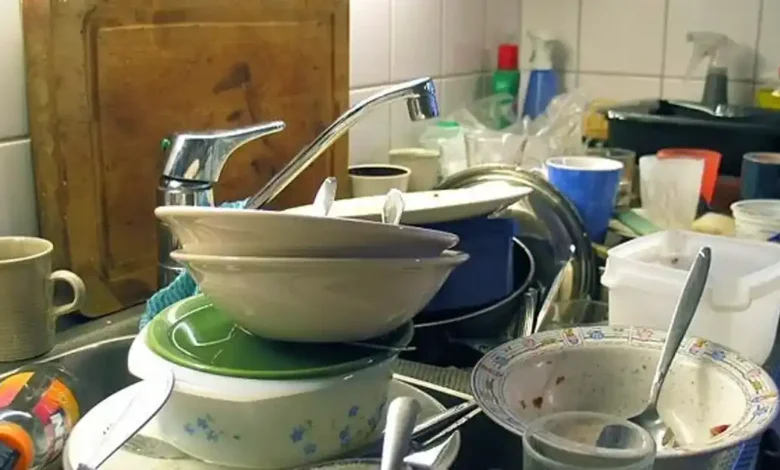
You might think a few dirty dishes are no big deal—but what if your kitchen sink is quietly revealing your mental state?
Experts say that the mess we ignore—especially when it becomes a habit—can reflect more than just a busy life. From hidden stress to burnout or even emotional overload, those unwashed plates might be telling a story you haven’t noticed yet.
Here’s what psychologists want you to know about the surprising link between your dishes and your emotional well-being.
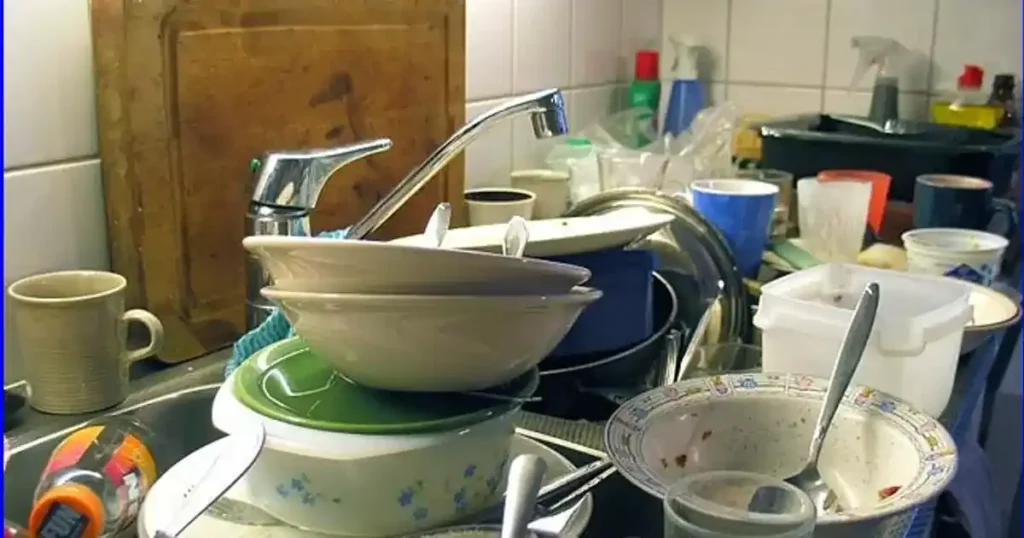
Why you can’t bring yourself to wash that one plate
Ever felt like washing a single spoon was just too much? You’re not alone. When emotions run high, even small tasks can feel huge. Mental health experts explain that emotional overload can drain your energy, making basic routines like cleaning up feel impossible. It’s not laziness—it’s your brain trying to cope.
Could a messy sink mean something deeper?
Anxiety, depression, or mental fatigue can show up in unexpected ways—including your kitchen. For many, the state of their surroundings reflects what’s going on inside. Dirty dishes might just be the surface layer of a deeper struggle for focus, clarity, or motivation.
Skipping chores might actually be self-care
Before you feel guilty for leaving the sink full overnight—pause. Psychologists say choosing rest over routine can be a powerful form of self-preservation. Knowing when to stop can protect your mental health far more than forcing productivity.
What if it’s not procrastination—but perfectionism?
You might be putting off the dishes because you’re tired. Or… maybe it’s something else. Experts say tasks like dishwashing can trigger deeper resistance—like fear of not doing it “right” or the stress of falling behind. Sometimes, it’s not the mess we fear—but what it represents.
Trapped in a stress-mess loop?
Clutter causes stress. Stress causes more clutter. And just like that, you’re stuck in what psychologists call the “clutter loop.” But here’s the trick: break the cycle with just one tiny step. Wash a cup. Wipe the counter. Small wins rebuild your mental momentum.
Can dirty dishes raise your stress hormones?
Surprisingly—yes. Research shows cluttered spaces can boost cortisol levels, your body’s main stress hormone. Even if you think you’re tuning it out, a messy environment may be quietly exhausting you. But obsessing over cleanliness can also backfire. The real key? Balance.
Temporary chaos or a deeper pattern?
Everyone has messy days. But if your sink always looks like a disaster zone, it might be time to ask: what’s really going on? A constant mess can hint at deeper emotional exhaustion—or a mental health pattern that needs attention.
Your personality might explain everything
Do you get anxious seeing a dirty dish—or barely notice it? That difference could be your personality at play. Type A folks tend to crave structure, while Type B personalities roll with the mess. Neither is wrong—but understanding your style might help you manage your space better.
Mess can also be a sign of brilliance
Wait—what if that cluttered sink means you’re creative? Seriously. Studies suggest messy environments may boost problem-solving and innovation. So, if your mind is on your next big idea, the dishes might just have to wait.
A hidden act of rebellion?
Here’s a twist: sometimes, leaving the dishes is a quiet way of taking control. Especially for people raised under strict rules, skipping chores can feel like reclaiming power over their own space and pace.
Why some people need a spotless sink
If a single fork in the sink makes you twitch, you’re not alone. People who crave clean counters often find mental clarity in order. It’s how they manage anxiety, stay focused, and feel in control. For them, dishwashing isn’t just a task—it’s therapy.
So, what’s your sink saying about you?
Your kitchen may be sending quiet messages about your mental state, energy levels, or even your personality. Whether you’re avoiding the mess or obsessing over it, the way you handle dishes might be telling a deeper story.
Are you the type to let the dishes wait—or do you scrub them right away? Share this with someone who might relate, and let’s start a conversation about what our messes might really mean.