White House press secretary’s family caught in immigration storm
Trump’s strict immigration policy hits close to home with ICE detention of Karoline Leavitt’s relative

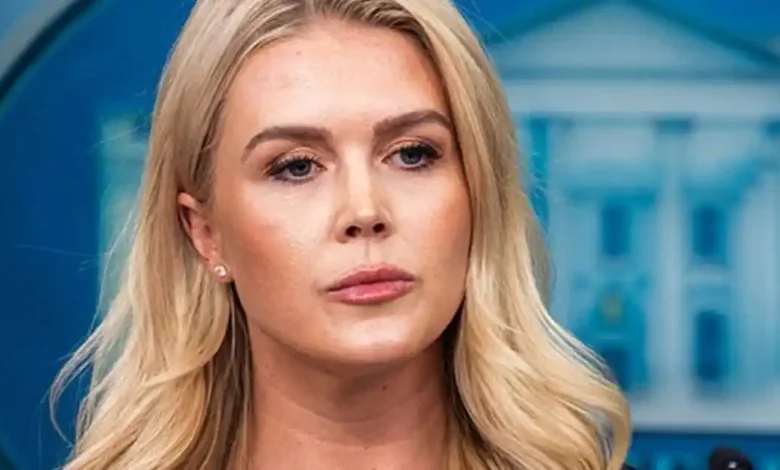
Bruna Ferreira, the mother of White House Press Secretary Karoline Leavitt’s 11‑year‑old nephew, has been detained by ICE and faces possible deportation, shining a spotlight on the personal toll of the Trump administration’s immigration crackdown.
Bruna Ferreira’s arrest on November 12 in Massachusetts quickly made headlines—not because she is a high-profile figure, but because of her family connection to the White House. Ferreira, who came to the U.S. from Brazil as a child in 1998, is the former partner of Michael Leavitt, the brother of Karoline Leavitt. Together, they share an 11-year-old son, who lives full-time with his father in New Hampshire.
Now, Ferreira is being held in a Louisiana detention center while facing deportation proceedings. Her family, heartbroken and afraid, is pleading for help and has launched a GoFundMe to raise money for legal defense.
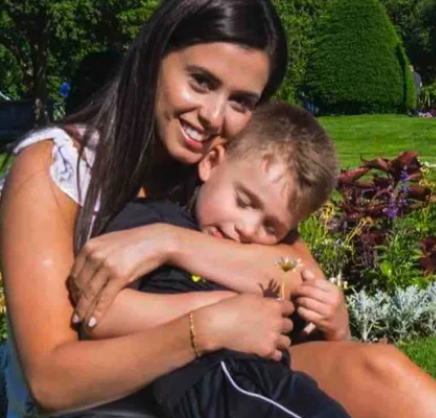
U.S. Immigration and Customs Enforcement (ICE) says Ferreira’s original visa expired more than two decades ago and that she previously had a battery arrest. Officials argue that under current policy, anyone without legal status is subject to removal—regardless of how long they’ve lived in the U.S.
The Department of Homeland Security (DHS) referred to Ferreira as a “criminal illegal alien,” though details about the battery case remain unclear.
Ferreira’s attorneys insist she has no criminal record and say she’s worked hard to follow immigration rules. She previously applied under the Deferred Action for Childhood Arrivals (DACA) program and hoped to secure legal residency.
Her family describes her as a hardworking, devoted mother who has lived in the U.S. for most of her life. Her sister, who started the fundraiser, said the arrest has been “devastating,” especially for Ferreira’s young son who “just wants his mom home for the holidays.”
A White House official confirmed the family connection but stressed that Karoline Leavitt had “no involvement whatsoever in this matter.” Michael Leavitt, the child’s father, also emphasized his son’s safety and privacy, stating that his only concern is protecting his child’s well-being.
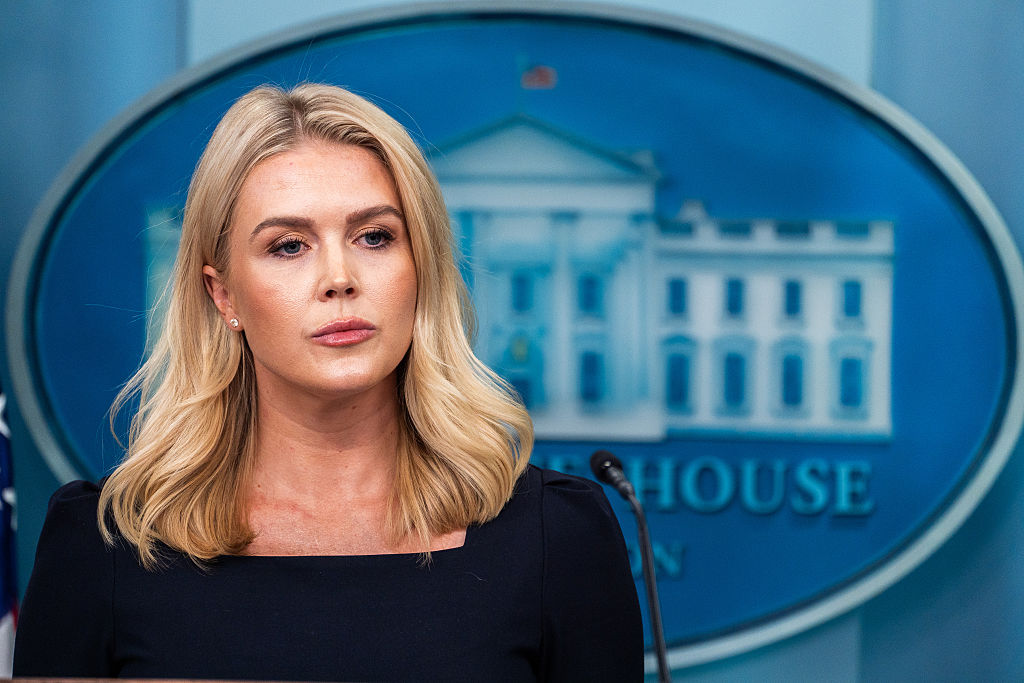
While the Leavitt family tries to stay out of the spotlight, the case continues to draw attention as it raises questions about how even families close to political power aren’t shielded from the harsh realities of immigration enforcement.
This case is not just about one woman—it represents the real-world effects of America’s immigration policies. Advocates argue that sweeping crackdowns often harm long-term residents who pose no threat and have deep ties to their communities.
For Ferreira’s son, it’s not about politics—it’s about having his mother home.
As the U.S. moves forward with mass deportation efforts, many are asking: Should there be more compassion for people who’ve built their lives here? And how can we protect families from being torn apart?
The question now isn’t just what will happen to Bruna Ferreira—but what kind of country do we want to be when it comes to justice, mercy, and the meaning of “home”?