The World Health Organization (WHO) has spoken out following the death of a 28-year-old Russian laboratory worker who developed severe pneumonia after reportedly working at an anti-plague research institute in Siberia.
The researcher was identified in reports as Daria Shipilova, a 28-year-old employee of the Irkutsk Anti-Plague Research Institute of Siberia and the Far East.
Shipilova reportedly fell seriously ill after an alleged laboratory incident involving a test tube containing plague bacteria. Reports circulating in Russian and international media claimed the tube broke on September 25.
However, the alleged laboratory accident has not been officially confirmed.
According to reports, Shipilova was hospitalized in the city of Shelekhov on September 29 after developing severe pneumonia. She died several days later, overnight between October 1 and October 2.
Russian health authorities have not officially attributed her death to plague.
Instead, Rospotrebnadzor said she had been diagnosed with pneumonia of unknown etiology, meaning the precise cause of the illness had not been established.
What did WHO say about the death?
WHO spokesperson Christian Lindmeier said the organization is in contact with Russian health authorities as officials work to determine the cause of the illness and assess any potential public health implications.
“WHO is in contact with the Russian health authorities to verify the event, its circumstances, the laboratory tests underway, and their results,” Lindmeier told TASS on Tuesday, October 6.
The WHO is also seeking information about contact tracing, the health status of people who came into contact with the woman, and any potential international public health implications.
Reports link death to suspected pneumonic plague

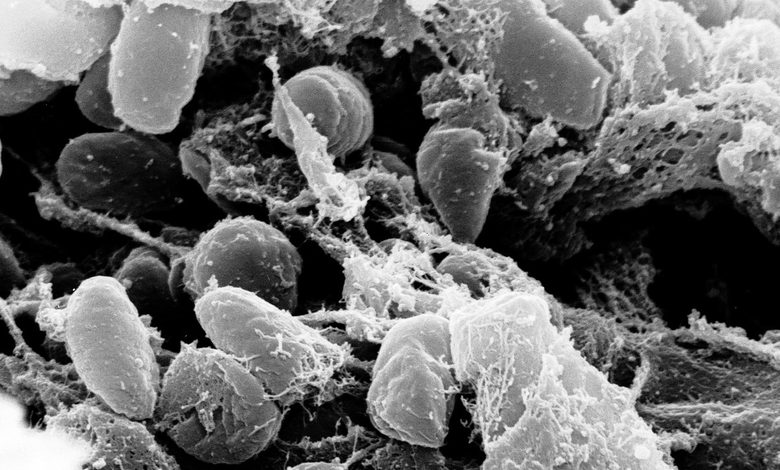
Shipilova’s death triggered international attention because of her workplace and reports that she may have been exposed to Yersinia pestis, the bacterium that causes plague.
Some Russian media reports claimed she contracted pneumonic plague after the alleged laboratory accident. The reports prompted concerns because pneumonic plague affects the lungs and can spread between people through respiratory droplets.
However, Rospotrebnadzor has rejected the suggestion that her illness has been linked to microorganisms she handled professionally.
The agency said extensive testing had found no microorganisms associated with the woman’s professional activities and reported that investigators had found no incidents involving dangerous pathogens at the institute.
Nearly 200 contacts placed under observation
Authorities moved quickly after Shipilova’s death, placing people who had been in contact with her under medical observation.
Reports indicated that nearly 200 people were being monitored, while precautionary measures were introduced at medical facilities in the region.
The hospital in Shelekhov where Shipilova was treated was placed under quarantine, with restrictions imposed on admissions and discharges. A nearby aluminum plant also introduced mask requirements as a precaution.
According to regional authorities, people identified as contacts were being monitored, and initial testing had not indicated an outbreak.
Russia maintains situation is stable
Rospotrebnadzor has said the sanitary and epidemiological situation in the Irkutsk Region remains stable.
The agency said preventive measures and medical monitoring of Shipilova’s contacts were nearing completion.
Russian Presidential Spokesman Dmitry Peskov also urged people to rely on information from Rospotrebnadzor rather than rumors and speculation surrounding the case.