Why helping waiters says a lot about your personality, according to psychology
Small acts of kindness in restaurants reveal more than good manners — they reflect empathy, humility, and emotional intelligence.

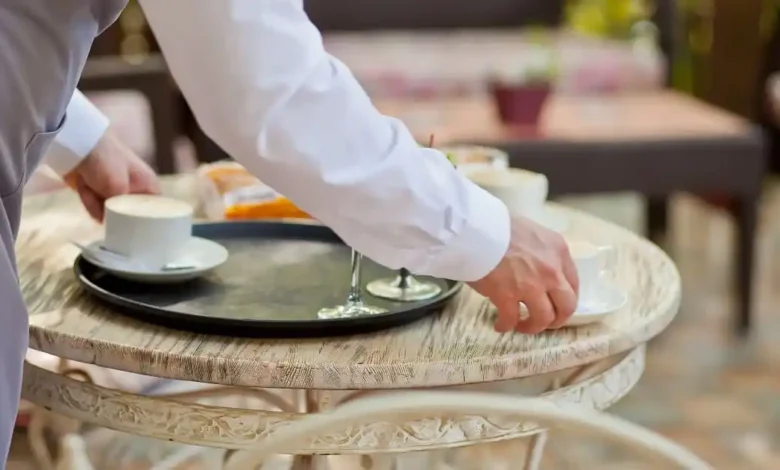
Clearing your plates or tidying the table before the waiter arrives might seem like a polite gesture — but psychologists say it reveals something much deeper about your personality.
In a crowded restaurant, amid the buzz of conversations and clinking glasses, some diners quietly take a moment to help their server. They stack plates, collect empty glasses, or hand over used napkins — all without being asked.
It’s not showy. It’s not done for applause. But according to experts, it’s a powerful reflection of empathy and social awareness.
Dr. Martin L. Hoffman, a psychologist known for his research on empathy, explains that such micro-acts of kindness show genuine concern for others. “When I see this gesture, it means the person truly worries about improving the day of the person they’re helping,” he said.

Many of those who lend a hand at the table have a personal connection to the hospitality world. Former waiters, servers, and bartenders know firsthand how demanding the job can be — balancing trays, managing orders, and smiling through exhaustion.
That experience shapes their behavior. As one person shared on Facebook:
“As a former server, my family and I do this every time we eat out. It’s a small gesture but a little kindness goes a long way.”
For others, the habit doesn’t come from past experience but from a natural attentiveness. They notice when someone is struggling and respond with quiet support — no fanfare, just compassion.
One commenter put it simply:
“It shows you have class. You’re not above getting your hands dirty to help someone.”
Psychologists call these actions “prosocial behavior” — helping others with no expectation of reward. It’s a fancy term for something deeply human: kindness without strings attached.
These gestures are low effort but high impact. They don’t just make life easier for the server — they strengthen the invisible threads that connect us to each other.

People who regularly help others tend to be more tuned in to emotional cues. They’re better at reading body language and sensing stress. And science shows that helping others can also improve the helper’s own mental health, boosting happiness and reducing stress.
In some cultures, helping the server might be seen as unusual or even rude. But in most places, when someone tidies up at the table, it’s seen as a thoughtful gesture. It says, “I see your hard work — and I care.”
In a digital age where so much of our social life happens on screens, these real-life moments of connection matter more than ever. They’re not about virtue signaling or social status. They’re about being human.
For the waiter juggling too many tasks, that simple act can be a breath of relief. A reminder that kindness still exists. That not everyone looks the other way when someone else is struggling.
So the next time you’re out to eat, and you gather up the dishes or hand over the menus — know this: you’re doing more than helping. You’re showing empathy in action.
Are you one of those people who helps tidy the table? Why do you do it — or why not? We’d love to hear your thoughts.