Why more people are turning to chicken gizzards for a healthy, affordable meal
Packed with protein, rich in nutrients, and surprisingly cheap—chicken gizzards are making a quiet comeback in kitchens around the world.

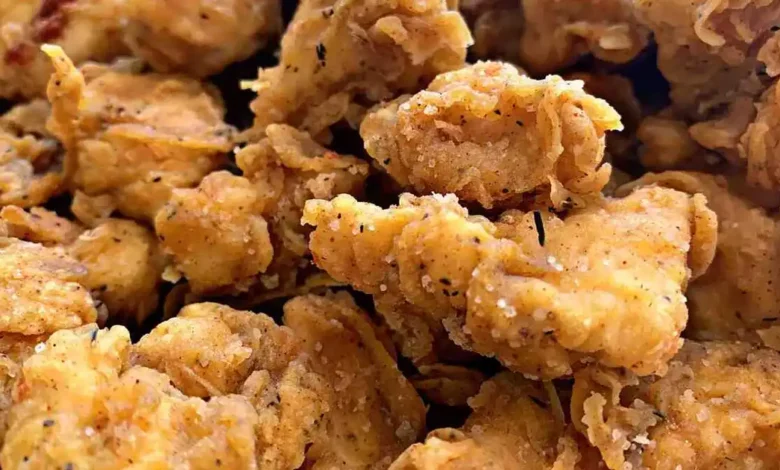
Chicken gizzards may not be on everyone’s grocery list, but they’re quickly gaining attention for being a nutrient-rich, budget-friendly, and delicious alternative to more expensive meats.
The chicken gizzard is a small, muscular organ found in the digestive tract of birds. Since chickens don’t have teeth, their gizzards grind up food using grit and pebbles they swallow. This constant “workout” makes gizzards lean, dense, and full of flavor.
Although it’s considered “offal” (organ meat), the gizzard is edible, tender when cooked properly, and highly nutritious. It’s a popular ingredient in many cultures around the world—especially in Asia, Africa, and the American South.
Why chicken gizzards deserve a place on your plate
1. Protein-packed and muscle-friendly
Just 3 ounces of chicken gizzards give you about 20 grams of protein—more than an egg and most processed meats. This makes them a great option for athletes, gym-goers, or anyone looking to build or maintain muscle.
2. Low in fat, high in nutrients
Each serving contains less than 3 grams of fat, including less than 1 gram of saturated fat. Gizzards are also full of key vitamins and minerals:
- Vitamin B12 for energy and nerve function
- Niacin for healthy skin and a strong heart
- Iron and zinc to boost immunity
- Choline for brain and liver health
3. Budget-friendly protein
With meat prices on the rise, gizzards are one of the most affordable cuts you can buy—often less than half the price of chicken breast. This makes them ideal for families, students, or anyone meal prepping on a tight budget.
How to cook chicken gizzards (and make them taste amazing)
If you’re new to cooking gizzards, don’t worry—they’re very forgiving if prepared with care. The trick is softening their natural toughness by slow cooking or boiling before using them in recipes.
Popular cooking methods:
- Boil and stew: Simmer with garlic and spices until tender, then use in soups or stews.
- Deep-fry: Coat in seasoned flour, fry until crispy—perfect as a snack or side dish.
- Sauté or stir-fry: Cook with onions, peppers, and sauces for a quick, protein-rich meal.
- Grill: Marinate and grill for a smoky flavor—great for BBQs.
- Slow-cook: Toss into a crockpot with veggies for a hearty, fall-apart meal.
Are there any downsides?
While gizzards are generally healthy, there are a few things to keep in mind:
- Texture: They can be chewy if not cooked long enough. Boiling or slow-cooking helps fix that.
- Cholesterol: Though gizzards are low in fat, they do contain cholesterol. If you’re on a restricted diet, it’s best to eat them in moderation.
- Purines: Like other organ meats, gizzards contain purines, which can worsen gout symptoms in sensitive individuals.
And lastly, choose organic if possible. Non-organic poultry may contain antibiotics that contribute to drug-resistant bacteria. Opting for organic gizzards helps reduce this risk and supports better farming practices.
Chicken gizzards may not be flashy, but they’re a hidden gem in the world of affordable, nutritious eating. They offer a powerful combination of protein, essential nutrients, and flavor—all without breaking the bank.
So next time you’re shopping, give gizzards a try. Whether you boil, fry, stew, or grill them, they might just become your new favorite ingredient.
Would you try chicken gizzards? Share your thoughts or favorite recipes in the comments below!