Why older adults may smell different—and how simple habits can help you stay fresh
Age-related body odor is natural, not dirty. Here’s what causes it and how to manage it with 8 easy bathroom tips.

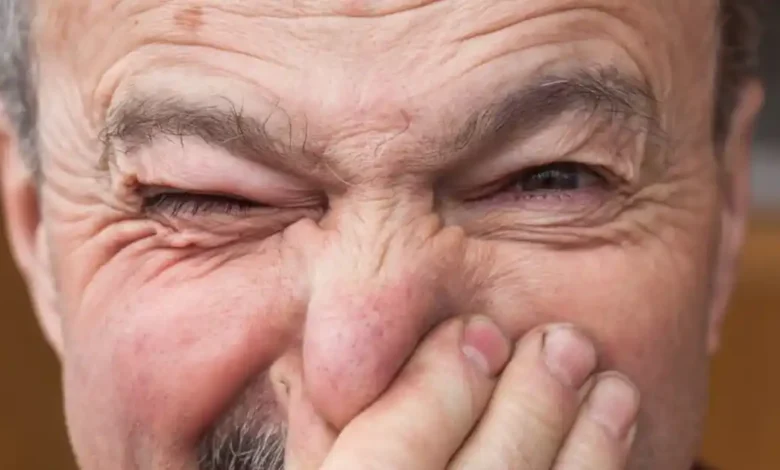
As we age, our bodies change—and sometimes that includes how we smell. But “old people smell” isn’t about poor hygiene. It’s a result of natural shifts in skin, hormones, and sweat.
While the term might sound harsh, the reality is much simpler—and far more human. Our bodies produce different compounds as we get older. One in particular, called 2-nonenal, tends to increase with age and interacts with skin bacteria, which can cause a musty or slightly sweet scent. But here’s the good news: it’s perfectly normal, and there are easy ways to stay feeling clean and confident.
Let’s break down what really causes age-related body odor—and how a few small bathroom habit changes can make a big difference.
What really causes age-related body odor?
It’s not about cleanliness. As people age, skin gets thinner, sweat glands change, and dead skin cells don’t shed as quickly. These changes give odor-causing bacteria more time to grow, especially in spots we don’t usually think about—like behind the ears, under the breasts, or between toes.
Experts agree this isn’t a sign of poor hygiene, just biology. And while some might notice a new scent as they age, research shows that the smell itself isn’t unpleasant. A 2012 study found that most people described it as neutral or even slightly sweet—until they were told it came from an older person. That suggests ageism may shape how we perceive natural body changes, more than the changes themselves.
8 bathroom habits that might make odor worse—without you realizing it
1. Overwashing intimate areas
Using strong soaps or scented products can upset your body’s natural balance.
What helps: Stick to warm water or a gentle, unscented cleanser used only outside the body.
2. Reusing the same towel for too long
Damp towels can harbor bacteria and transfer it back to your skin.
What helps: Let towels dry completely and wash them regularly.
3. Skipping daily foot care
Feet sweat and shed skin, especially in closed shoes.
What helps: Wash and dry your feet daily, exfoliate weekly, and wear clean socks every day.
4. Flushing with the lid open
Tiny particles from the toilet can land on towels, toothbrushes, and more.
What helps: Close the lid before flushing and clean surfaces often.
5. Sleeping in your daytime underwear
Underwear collects sweat and bacteria throughout the day.
What helps: Change into clean underwear before bed—or go without for better airflow.
6. Letting trash pile up
Old tissues and hygiene products can start to smell before you notice.
What helps: Empty the bin regularly and rinse it with soap or vinegar weekly.
7. Wearing your bathrobe too many times
Bathrobes trap moisture and odor just like towels.
What helps: Wash weekly and hang to dry fully between uses.
8. Not rinsing armpits well after shaving
Leftover residue under deodorant can lead to irritation and odor.
What helps: Rinse thoroughly after shaving and let skin dry before applying deodorant.
Aging is normal, and so are body changes
No one is immune to odor—not younger people, not athletes, not even babies. What matters most is understanding what’s behind the change, and knowing that you can adjust your routine without judgment or stress.
So next time you hear the phrase “old people smell,” remember: it’s not about being dirty—it’s just different. And often, it’s not even noticeable unless someone’s looking for it.
Want to help bust the myths around aging?
Share this article with friends and family—and let’s make room for more honest, compassionate conversations about growing older.