Why white goop sometimes appears on cooked chicken
What that strange white substance really is — and why it’s completely normal

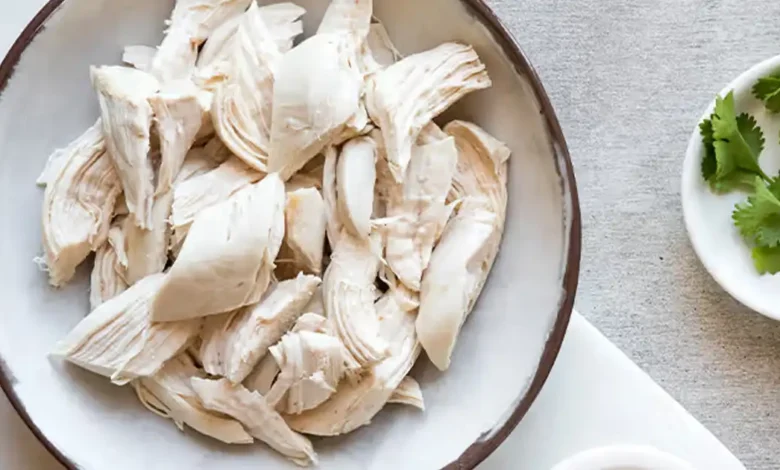
If you’ve ever pulled a chicken breast out of the oven and spotted a white, jelly-like substance on the surface, you’re not alone. While it may look unappetizing, it’s simply a natural reaction that happens when protein and water are pushed out of the meat during cooking.
You season your chicken, cook it carefully, and expect a golden, juicy result. Then you see it — a pale, slightly sticky layer resting on top. It can look alarming, especially if you’re not expecting it.
But food experts say this kitchen surprise is common and harmless.
What causes the white “goo”?
Chicken meat, especially the breast, is high in protein. When exposed to heat, those proteins change structure — a process called denaturing. It’s the same reaction that turns egg whites from clear to solid white when cooked.
As the proteins tighten and firm up, they push water out of the meat. The protein and water combine and collect on the surface, forming that semi-solid white substance.
What’s the white thing on my chicken? (Not the rice of course)
by
u/Sondrree in
TipOfMyFork
It’s most noticeable when:
- You cook boneless, skinless chicken breasts, which are lean and protein-rich
- You use high-heat methods like baking, roasting, or pan-searing
- The chicken cooks too quickly at a high temperature
- The chicken was previously frozen and not fully thawed
Freezing can damage muscle fibers due to ice crystal formation. When thawed and cooked, those weakened fibers release more moisture, making the white protein more visible.
Is it safe to eat?
Yes — completely.
The white substance is just cooked protein and water. It doesn’t affect flavor, texture, or safety.
However, always check your chicken before cooking. If it smells sour, feels unusually slimy, or has discoloration, those may be signs it has spoiled. In that case, it’s best not to use it.
How to reduce the appearance
While you can’t eliminate it entirely, you can minimize it:
Cook at moderate heat
Try baking around 350°F (175°C) instead of higher temperatures. Slower cooking reduces rapid protein tightening.
Brine before cooking
Soaking chicken in a simple saltwater solution for 30–60 minutes helps retain moisture and can reduce protein loss.
Sear, then finish in the oven
A quick sear in a hot pan before baking can help seal in juices.
Let chicken rest before and after cooking
Allow raw chicken to sit at room temperature for 15–20 minutes before cooking. After cooking, let it rest so juices redistribute instead of immediately leaking out.
Choose air-chilled options when possible
Some commercially processed chicken contains added moisture, which can increase the effect. Air-chilled varieties often contain less excess water.
The bottom line
That white substance may not look appealing, but it’s simply a natural reaction between heat, protein, and moisture. It’s safe, common, and nothing to worry about.
Sometimes in the kitchen, science just shows itself in unexpected ways — and in this case, it’s completely harmless.