Why you might need to poop right after eating — and how to manage it
It’s not just IBS: A doctor explains what’s really going on with your gut reflex and what foods can help

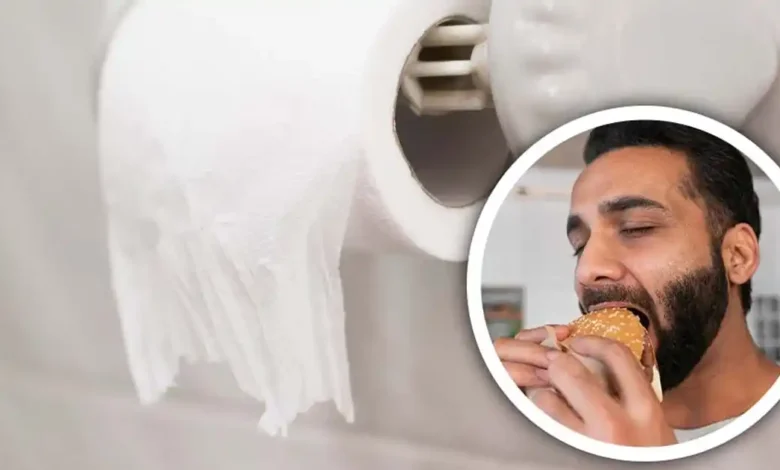
If you often feel the urgent need to use the bathroom shortly after eating, you’re not alone — and it might not be as serious as you think. This common response is called the gastrocolic reflex, and it plays a big role in how your digestive system reacts to food. But for people with sensitive stomachs or IBS, this reflex can be intense. Thankfully, experts say there are foods and supplements that can help.
The gastrocolic reflex is a natural body response that signals your colon to make space for new food by moving older waste through your system. According to Dr. Joseph Salhab, this isn’t because food shoots straight from your plate to the toilet. Instead, it’s your brain and gut working together to keep digestion moving.
For most people, this reflex is mild and barely noticeable. But if you have Irritable Bowel Syndrome (IBS) or a sensitive stomach, this signal can be so strong that it sends you running to the bathroom just minutes after eating.
Is it normal or something more?
While this reflex is completely natural, some people experience it more often or more intensely. Signs it may be more than just a normal reaction include:
- Frequent or urgent bowel movements after meals
- Cramping or bloating right after eating
- Loose stools or diarrhea soon after finishing food
If these symptoms happen regularly and affect your quality of life, it might be worth looking into how your diet and gut health play a role.
What can help? Foods and supplements that support digestion
Managing this reflex doesn’t always require medication. Experts say many people find relief through simple changes to their diet and lifestyle. Here’s a list of the most effective natural solutions — starting with the basics and moving toward more specific supplements.
1. Start with a low-FODMAP diet
This diet is often the go-to for people with IBS or frequent digestive issues. FODMAPs are certain types of carbohydrates that your gut struggles to break down. When they linger in the digestive system, they can cause bloating, cramps, gas, and yes — urgent bathroom trips.
Foods like oats, spinach, quinoa, and carrots are gentle on the gut and may help reduce the severity of the gastrocolic reflex.
2. Eat calming, gut-friendly foods
Incorporating easy-to-digest, soothing foods into your meals can make a big difference:
- Bananas: These are high in soluble fiber and potassium, helping regulate bowel movements and calm the gut.
- Ginger: Known for reducing cramping and inflammation. You can add it to meals or drink it as a tea.
- Plain yogurt (with live probiotics): Adds good bacteria to your digestive system, supporting balance and smoother digestion.
3. Drink aloe vera water before meals
Aloe vera has anti-inflammatory and soothing properties for the gut. Drinking a small amount diluted in water before meals can help calm your digestive system and reduce urgency.
4. Use digestive enzyme supplements
These supplements assist your body in breaking down fats, proteins, and carbohydrates more efficiently, reducing stress on your digestive system. They’re especially helpful for people with food sensitivities or poor digestion.
5. Take probiotic supplements
Probiotics help balance the gut microbiome — the healthy bacteria in your intestines. If your meals often lead to cramping or loose stools, these supplements can help strengthen your gut over time.
6. Add psyllium husk for fiber
This gentle, soluble fiber helps bulk up your stool and support regular bowel movements. Taken before meals, psyllium husk may help slow digestion and ease the urgency to go.
7. Consider magnesium citrate if you’re constipated
Sometimes the urgency after eating is linked to constipation. Magnesium citrate helps by relaxing the intestinal muscles and encouraging smooth bowel movements. Just be sure not to take too much — it can also cause diarrhea in high doses.
Feeling the need to poop right after eating might feel frustrating or embarrassing, but it’s often just your body’s natural way of keeping things moving. For those with IBS or more sensitive systems, the gastrocolic reflex can be overwhelming — but it can be managed.
By paying attention to your body’s signals and making mindful food and supplement choices, you can help regulate your digestive system and ease that post-meal panic. Whether it’s adding fiber, avoiding high-FODMAP foods, or sipping ginger tea, small steps can lead to big relief.
Remember: your gut is trying to talk to you. Listening — and responding with care — might be the key to feeling better after every meal.