World’s most dangerous foods— Why people still eat what could kill them
From cassava to pufferfish, these 10 deadly foods kill hundreds each year—but for many, the risk is worth it.

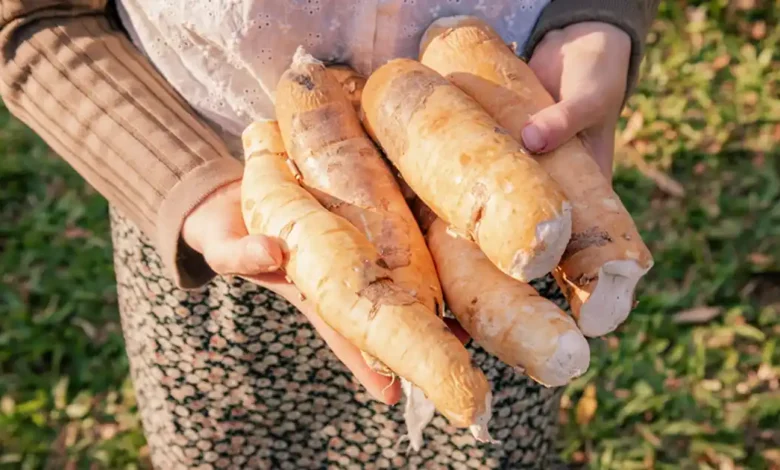
Some foods are more than just a meal—they’re a gamble with life. Each year, hundreds die from eating common dishes that contain natural toxins, yet millions continue to consume them daily. Here’s why.
Cassava, a starchy root crop eaten in many parts of Africa, Asia, and South America, is a silent killer if not prepared correctly. Its roots and leaves contain compounds that release cyanide when raw or improperly processed.
According to the World Health Organization (WHO), cassava poisoning causes around 200 deaths each year, making it the deadliest food in the world.
Yet for over 800 million people, cassava isn’t just food—it’s survival. The crop is drought-resistant, cheap, and high in carbohydrates, making it essential in regions where food insecurity is a daily struggle. When soaked, fermented, or thoroughly cooked, the toxic compounds break down, allowing communities to safely enjoy this risky staple.
In Japan, thrill-seeking food lovers line up for fugu, or pufferfish—a dish so toxic it can kill with a single bite if not prepared properly.
The poison, tetrodotoxin, is 200 times more deadly than cyanide, according to the BBC. Symptoms include numbness, paralysis, and eventual death—all while the victim remains conscious. There is no known antidote.
Only specially trained and licensed chefs are allowed to prepare the dish, carefully removing the poisonous parts. Still, Japan’s health ministry reports about 50 poisonings each year, mostly among untrained individuals. Despite the danger, fugu’s unique taste and slight numbing effect make it an alluring dish for the brave.
Safe for some, deadly for others
To most, starfruit is a tangy, vitamin-rich treat. But for people with kidney disease, it can be fatal. The fruit contains a neurotoxin that healthy kidneys can flush out. However, in those with impaired kidneys, it builds up quickly and can cause seizures, confusion, or death.
Symptoms can appear within hours, starting with hiccups, vomiting, and weakness. For others, starfruit remains a healthy snack packed with antioxidants and potassium.
Fruits with hidden threats
Even everyday fruits like cherries and apples have a dangerous side. Their seeds and pits contain amygdalin, which turns into cyanide when crushed. While eating a few seeds likely won’t cause harm, chewing or crushing large amounts could lead to serious illness or death.
Whole pits are usually safe if swallowed without breaking—but it’s best not to risk it.
Green potatoes: Not just ugly, but toxic
Potatoes exposed to too much light can turn green due to chlorophyll. While harmless itself, this greening can signal the presence of solanine, a natural toxin. In high doses, it can cause vomiting, paralysis, or even coma.
To stay safe, peel green potatoes or discard any with sprouting “eyes.”
Cashews and mango skin: Nature’s hidden allergens
Raw cashews naturally contain urushiol, the same substance that causes poison ivy rashes. Handling or eating unprocessed cashews can trigger painful skin reactions or illness. Fortunately, cashews sold in stores are heat-treated to remove the toxin.
Interestingly, mango skin also contains urushiol. If you’re allergic to poison ivy, avoid touching the skin and stick to the juicy fruit inside.
Nutmeg: The holiday spice with a dark side
Nutmeg may add warmth to desserts, but it also contains myristicin, a compound that affects the nervous system. In large doses, it can lead to hallucinations, rapid heartbeat, nausea, and seizures.
Just two teaspoons can trigger severe symptoms lasting days—or even months in extreme cases.
Deadly mushrooms: A fatal foraging mistake
While many mushrooms are safe, others—like the death cap—are extremely toxic. Consuming even a small amount can lead to organ failure and death.
Only a handful of mushroom species are fatally poisonous, but they often look similar to edible varieties, making wild mushroom picking a dangerous game for the untrained. Stick to store-bought varieties unless you’re a true expert.
Rhubarb: A pie favorite with a poisonous twist
Rhubarb stalks are tart and tasty, but the leaves are toxic. They contain oxalic acid, which in large amounts can cause kidney failure.
Thankfully, rhubarb sold in stores includes only the edible stalks. Just don’t snack on the leaves while prepping your pie.
Kidney beans: Healthy, unless undercooked
Packed with protein and fiber, kidney beans are a staple in many homes. But when undercooked, they contain phytohaemagglutinin, a toxin that can cause severe vomiting and stomach cramps.
Boiling beans for at least 10 minutes destroys the toxin. Slow-cooking them at low temperatures, however, may not be enough and could make the problem worse.
From famine-fighting roots to high-stakes delicacies, these deadly foods are a reminder of how cultural tradition, survival, and thrill often outweigh fear.
Have you ever eaten one of these dangerous foods—or something even riskier? Share your experience and spread the word to help others eat smart and stay safe.