This one bedtime mistake could increase your risk of stroke — here’s how to stay safe
Small daily habits can help prevent strokes — here’s what to skip after eating and before sleep

A stroke can change your life in an instant — but the good news is, most strokes can be prevented by making better lifestyle choices. From what you do after dinner to how you wind down before bed, small habits can play a big role in protecting your brain and heart health.
Each year, about 795,000 people in the U.S. suffer a stroke, according to the CDC. Around one in 10 of these are due to bleeding in the brain — a type known as a hemorrhagic stroke.
A stroke happens when blood flow to part of the brain is blocked or interrupted. Without enough oxygen, brain cells begin to die within minutes. This can affect how you move, speak, or even think.
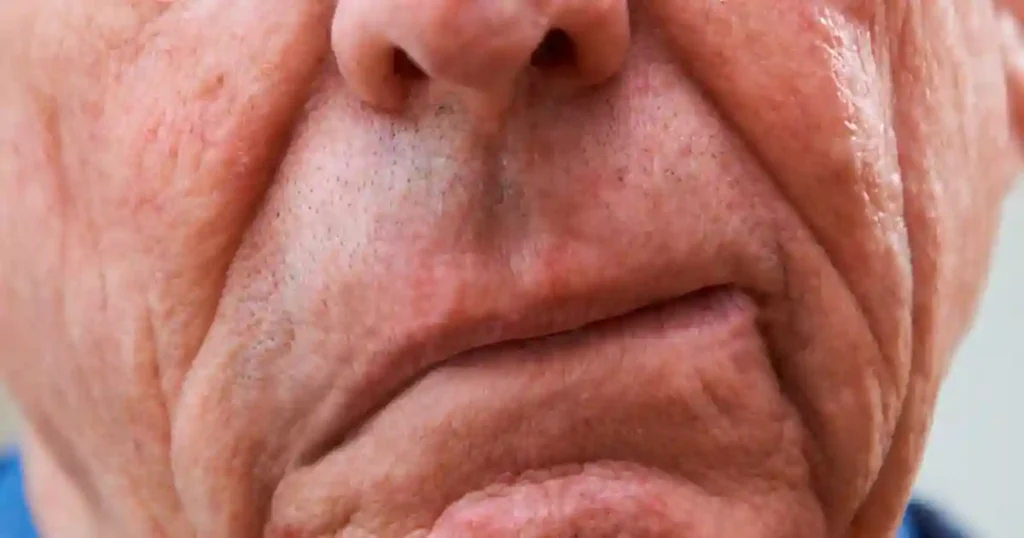
Stroke symptoms usually come on fast. The CDC says to watch for:
- Face drooping on one side
- Arm weakness or numbness
- Speech difficulty like slurring or trouble finding words
Getting help right away can save a life and improve recovery. But even better? Preventing the stroke before it happens.
80% of strokes are preventable — and your habits matter
While you can’t change risk factors like age, genetics, or family history, everyday habits do make a big difference. Simple changes after meals and at bedtime can lower your risk.
Here are 3 things to avoid after eating, and 4 to skip before sleep, if you want to keep your brain and heart healthy.
After meals: 3 habits to avoid
1. Don’t lie down right after eating
That post-dinner nap might sound tempting, but it can lead to acid reflux and poor sleep. A study in Neurology found that waiting at least one hour after dinner before lying down can cut your stroke risk by nearly two-thirds.
Try this instead: Stay upright or go for a walk after meals.
2. Avoid skipping the walk
Even a 10-minute walk after eating can lower blood sugar spikes and support better digestion. A study in the Annals of Internal Medicine found that people who took short daily walks had a much lower risk of stroke compared to those who didn’t move much.
3. Don’t take a hot bath right away
Jumping into a hot shower or bath right after eating pulls blood away from your stomach and toward your skin, which can slow digestion and strain your heart. In rare cases, it may even cause dizziness.
Before bedtime: 4 things to avoid
1. Skip the nightcap
That glass of wine might seem relaxing, but alcohol before bed raises nighttime blood pressure and disrupts your sleep. A Neurology study found that drinking three or more drinks daily increased the risk of severe strokes and brain damage.
2. Don’t eat too late
Eating after 9 p.m. keeps your body in “digest mode” when it should be resting. A large study in Nature Communications found that people who regularly ate late had a 28% higher risk of stroke than those who ate earlier dinners.
3. Cut down on salt
Too much salt is a major cause of high blood pressure — and high blood pressure is the number one risk factor for strokes. The WHO now recommends low-sodium salt substitutes to help reduce risk.
4. Stick to a sleep routine
Even if you sleep enough hours, going to bed and waking up at random times can raise your risk of heart disease. Aim for 7–9 hours of sleep, and go to bed at the same time each night. Avoid caffeine after mid-afternoon, and wind down with a calming routine.
You don’t have to overhaul your life to protect your brain. Start by making small changes — like eating dinner earlier, walking after meals, and cutting back on salt or alcohol.
Remember 80% of strokes can be prevented. The power is in your daily habits. Why not start tonight?