Gallbladder Removal Recovery: What to Expect and 3 Long-Term Risks Doctors Watch For
You Can Live Without a Gallbladder. Here's What Actually Changes in Your Body.

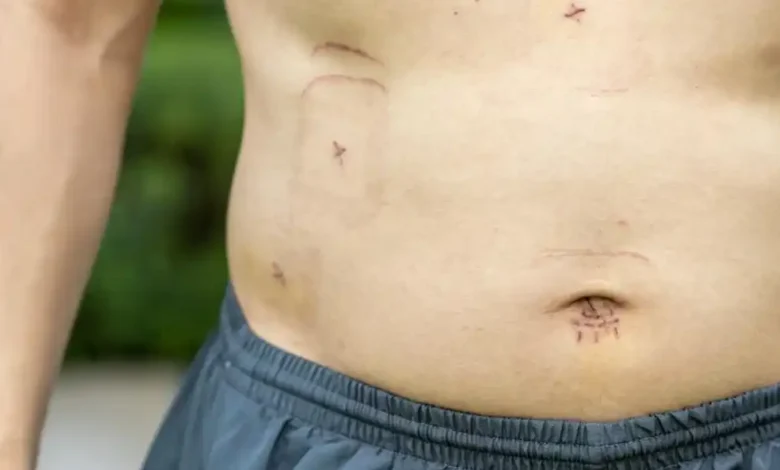
Gallbladder removal, or cholecystectomy, is one of the most common surgeries out there, usually done to deal with gallstones or a gallbladder that’s gotten inflamed. Most people bounce back within weeks and never think about it again. But the organ did have a job, and taking it out changes how your body handles bile long after the incision heals.
The gallbladder sits under your liver and stores bile, the fluid your body uses to break down fat. It’s not essential. Once it’s gone, bile just flows straight from the liver into the small intestine instead of getting stored and released on cue.
That single change explains almost everything that happens next.
The first few weeks
Diarrhea is the big one. Some research has found that about half of people who have this surgery develop diarrhea, and doctors say the exact cause isn’t fully clear, though it likely comes down to more bile acid reaching the large intestine, where it acts like a laxative. For most people it clears up within a few weeks to a few months. For a smaller group it drags on longer.
Bloating, loose stools, and general fatigue are common too. Some of the gas pain people notice actually comes from the gas used to inflate the abdomen during laparoscopic surgery, not the bile itself.
Doctors generally recommend easing back into food rather than jumping straight to a normal diet:
- Clear liquids and bland foods for the first day or two
- Low-fat meals as things settle
- Fiber added back in gradually, since too much too soon tends to make bloating worse, not better
Mayo Clinic’s guidance also flags when diarrhea stops being routine: if it lasts more than four weeks, comes with blood, or shows up with fever or weight loss, that’s worth a call to your doctor, not something to wait out.
What changes for the long haul
Recovery timelines vary, but most people are back to normal routines within two to four weeks. The diet adjustments, though, tend to stick around in some form.
Reflux and bile backing up. Without a gallbladder acting as a buffer, bile can flow back into the stomach more easily, which shows up as burning, bloating, or reflux, especially after a fatty meal.
Bile duct stones. The bile duct starts picking up some of the storage role the gallbladder used to play. Over years, that can lead to buildup and, in some cases, new stones forming in the duct itself.
Colon cancer risk, and here’s where it gets murkier. Some large studies have found a moderate uptick in colon cancer risk after gallbladder removal, tied to how secondary bile acids get absorbed more in the proximal colon, where they’re more likely to trigger carcinogenic changes. But it’s not a settled finding. A more recent systematic review actually found no significant overall increase in colon cancer risk after cholecystectomy, with the evidence pointing, if anything, to a possible elevated risk limited to right-sided colon cancer specifically. Researchers themselves describe the picture as inconsistent, which is a more honest way to put it than treating this as a proven risk.
This surgery is done constantly in both the US and the Philippines, and the aftercare advice people get is often just “avoid fatty food” with no explanation of why or for how long. Knowing which symptoms are temporary and which ones warrant an actual follow-up, plus not panicking over a cancer link that’s still being debated in the research, makes for a much less stressful recovery.