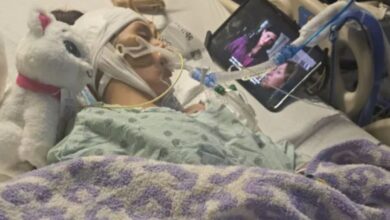
He didn’t have a single bite mark — Three weeks later, doctors couldn’t save him

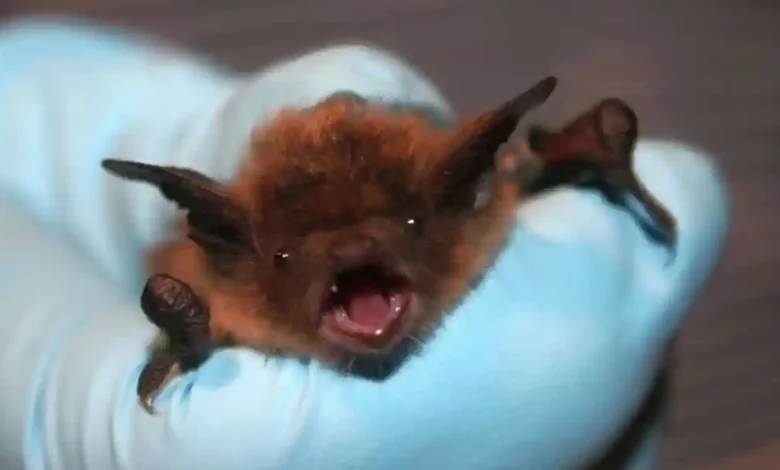
An 11-year-old boy in Ontario, Canada, died of rabies three weeks after waking up to find a bat resting on his nose and mouth, according to a case report published June 29 in the Canadian Medical Association Journal. He had no visible bite marks. His family did not think anything was wrong until he began experiencing facial numbness and vomiting weeks later.
By then, it was too late.
Rabies exposure does not require a bite anyone can see. That is the warning doctors are now trying to get in front of every parent.
A Bite Too Small to Notice
The boy was staying with his family at a cottage in northern Ontario in the summer of 2024. He woke to a bat lying across his face. He swatted it away, and his father trapped the animal in a cooking pot and released it outside.
There were no scratches. No blood. The bat had not been acting strangely. His parents saw no reason to call a doctor.
Nineteen days later, that changed. The boy developed tingling and numbness on the right side of his face, then facial swelling and vomiting. Doctors first suspected Bell’s palsy, then a herpes-related mouth infection. Neither explanation held.
His condition worsened fast. Confusion set in, then hallucinations, then difficulty swallowing. He was placed on a ventilator and moved to the pediatric intensive care unit. Rabies was confirmed on his fourth day in the hospital.
Rare in Canada, Nearly Always Fatal
According to CBC News reporting on the case report, this was the first instance of rabies acquired within Ontario since 1967. It was only the second confirmed case in Canada since 2019 as per The Mirror.
Nationally, just 28 human rabies cases have been recorded since 1924. Rarity does not make the disease any less dangerous once it takes hold.
Once neurological symptoms begin, rabies has no effective treatment. It is almost always fatal. The boy’s brain stem reflexes were gone by his fifth day of hospitalization. His family withdrew life-sustaining care on day 17, and he died with them at his bedside.
What Doctors Want Every Parent to Know
Dr. Brian Hummel, a pediatric infectious disease physician at McMaster Children’s Hospital and senior author of the case report, said the family agreed to share their son’s story so other parents would recognize what they did not.
Bats have teeth so small that a bite can leave no visible mark at all. Their saliva can transmit the virus through nothing more than contact with a scratch, a cut, or the eyes, nose, or mouth. The absence of a wound proves nothing.
“Any direct human contact with a bat, even in the absence of a visible bite or scratch, is an indication that rabies post-exposure prophylaxis should be discussed with public health authorities,” Hummel said.
That treatment, known as PEP, combines wound care, a series of vaccine doses, and in many cases an injection of antibodies that fight the virus while the immune system catches up. Given before symptoms start, it is highly effective. Given after, it does nothing.
Bats remain the leading source of human rabies exposure in North America. Encounters tend to rise in the summer months, when people spend more time in cabins, cottages, and homes with open windows.
The rule doctors want families to remember is simple. Any physical contact with a bat, waking up to one in a bedroom, or finding one near a sleeping child or pet, should prompt an immediate call to a doctor or public health department, whether or not anyone can find a mark on the skin.