18 signs of histamine intolerance: When allergies aren’t the real problem
Some symptoms may look like regular allergies, but histamine intolerance goes much deeper.

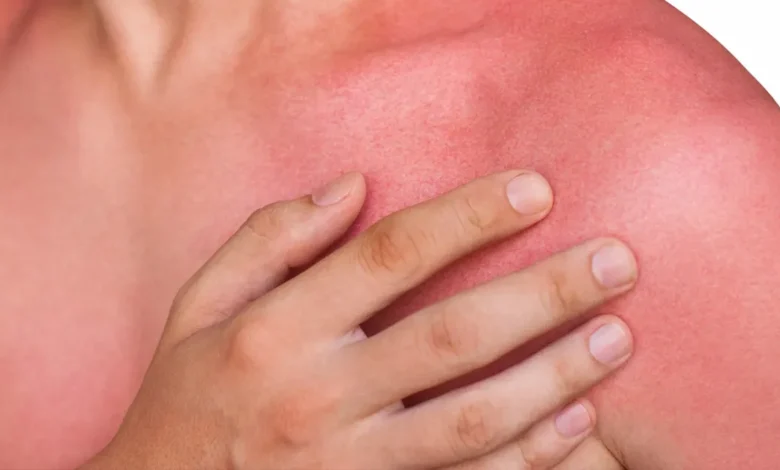
Histamine intolerance can cause allergy-like symptoms, but the real problem is having too much histamine in the body—not an allergy to it. From digestive issues to heart palpitations, this condition is often hard to recognize and manage.
Most people have heard of antihistamines, which are allergy medicines. But what exactly is histamine?
Histamine is a chemical made by your immune system. It helps your body fight off things like pollen, dust, and pet dander—stuff that might cause allergies. It does this by triggering sneezing, itching, watery eyes, or congestion.
This reaction is part of how your body protects you. But sometimes, your immune system gets too aggressive and treats harmless things as threats. That’s where antihistamines come in—to calm down the overreaction.
However, for people with histamine intolerance, the issue is more serious than just sneezing or itchy eyes.
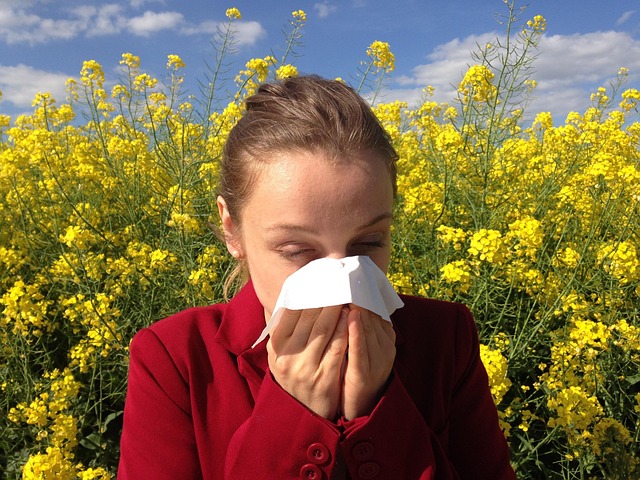
The difference between an allergy and histamine intolerance
Histamine intolerance doesn’t mean your body can’t handle histamines—it means you have too much of them in your system.
Your body usually breaks down extra histamine using an enzyme called DAO (diamine oxidase). If you don’t have enough DAO—because of certain foods, gut issues, or medications—histamine can build up and cause problems.
Common signs of histamine intolerance
Some symptoms look like regular allergies. Others affect your whole body and can be more severe.
Milder symptoms may include:
- Digestive issues (like bloating or cramps)
- Fatigue
- Headaches or migraines
- Hives or rashes
- Heartburn
- Watery eyes or runny nose
- Irregular menstrual cycles
- Sinus congestion
- Nausea or vomiting

More serious symptoms may include:
- Abdominal pain
- Anxiety
- Dizziness or lightheadedness
- High blood pressure
- Irregular heartbeat
- Trouble breathing
- Body temperature problems (feeling too hot or cold)
- Swelling in tissues
Not everyone has all of these symptoms. They can come and go depending on your “histamine bucket”—a term some experts use to describe your body’s tolerance level. Once your histamine levels “overflow,” the symptoms show up.
What causes high histamine levels?
Several things can lead to too much histamine in the body:
- Gut problems like IBS or leaky gut
- Medications that block DAO or increase histamine
- Foods that are either high in histamine or cause your body to release more of it
- Bacterial overgrowth in the intestines
Foods to avoid if you have histamine intolerance
Food plays a huge role in histamine levels. Some foods are naturally high in histamine, while others can trigger its release or block DAO.
Common triggers include:
- Fermented foods (yogurt, sauerkraut, soy sauce)
- Alcohol (especially red wine and beer)
- Aged cheese
- Smoked or processed meats
- Shellfish
- Tomatoes, spinach, and eggplant
- Avocados, bananas, citrus fruits
- Chocolate
- Energy drinks, black tea, green tea
- Food dyes and preservatives
Safe foods for a low-histamine diet
There’s no such thing as a permanent histamine-free diet, but you can manage symptoms by eating low-histamine foods and avoiding triggers.
Safer food choices include:
- Gluten-free grains like rice and quinoa
- Non-citrus fruits (like apples and pears)
- Fresh vegetables (excluding tomatoes, spinach, eggplant)
- Eggs
- Fresh, unprocessed meats and fish
- Dairy alternatives (like almond or oat milk)
- Healthy oils (like olive oil)
Always speak with a doctor or dietitian before making big diet changes.
Getting diagnosed the right way
Because histamine intolerance shares symptoms with other issues—like allergies or infections—diagnosis can be tricky. Don’t try to figure it out alone.
Doctors may suggest an elimination diet. This means cutting out high-histamine foods for a few weeks, then slowly reintroducing them to see if symptoms return.
Your doctor may also order a blood test to check for DAO deficiency.
Can antihistamines help?
Yes—but only for short-term symptom relief.
Antihistamines block histamine from affecting the body, but they don’t lower the actual amount in your system. For real improvement, you’ll need to address the root causes: diet, gut health, and DAO levels.
Histamine intolerance can feel confusing because it hides behind common allergy symptoms. But if you’re struggling with a wide range of unexplained issues—from anxiety to headaches to digestive problems—it might be worth asking your doctor about it.
Understanding your body’s limits and working with a healthcare expert is the best way to get relief. You don’t have to live with discomfort—your symptoms might finally have an answer.