Cancer risk rising fast among Gen X and millennials, new study warns
Experts link higher rates to obesity, poor diet, and modern lifestyles—urging urgent action to protect younger generations.

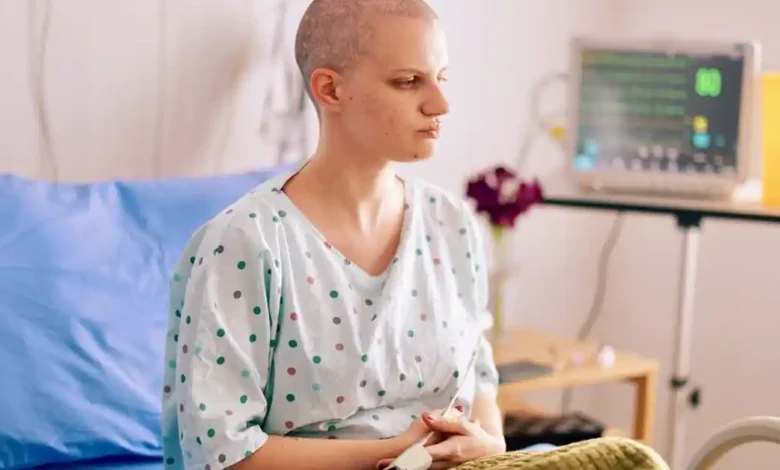
A new study reveals that cancer is striking younger people more often than ever before, with Gen X and millennials facing up to triple the cancer risk compared to older generations.
A massive new study has uncovered a troubling rise in cancer cases among people born after 1965—many of whom are now in their 30s to 50s. According to the research, Gen X and millennials are two to three times more likely to develop cancer than people born just a decade earlier.
The findings, published in The Lancet Public Health, are based on 20 years of U.S. cancer data. Researchers examined nearly 24 million cancer cases and over 7 million deaths from 2000 to 2019. They discovered that younger generations are not only being diagnosed earlier in life but are also carrying that risk into later years, potentially increasing the nation’s overall cancer burden for decades to come.
“This kind of shift hasn’t been seen since lung cancer rates skyrocketed in the mid-1900s due to smoking,” said Harvard cancer prevention expert Dr. Timothy Rebbeck. “But this time, the cause isn’t so clear.”
17 cancer types on the rise
The study looked at 34 different types of cancer. Worryingly, 17 of them showed higher rates among Gen X and millennials. Some of the fastest-rising cancers include:
- Pancreatic cancer
- Kidney and renal pelvis cancer
- Thyroid cancer
- Small intestine cancer
Even though improved screening may partly explain the rise, experts say it’s not the whole story. The sheer number of new cases suggests a real increase in disease—not just better detection.
Cancer deaths rising too
Not only are more young people getting cancer, but more are dying from it too. The study found increased death rates in five cancer types among younger adults:
- Liver cancer
- Endometrial (uterine lining) cancer
- Gallbladder cancer
- Testicular cancer
- Colorectal (colon and rectal) cancer
These trends suggest that early-onset cancers may also be more aggressive—or that treatments aren’t working as well for younger patients.
Obesity and lifestyle habits under the spotlight
One of the biggest suspects behind the surge? Obesity. It’s linked to 10 of the 17 cancers that are rising—and it’s been on the rise itself since the 1970s, especially in children and teens.
“I agree that obesity is likely the leading reason why we’re seeing more early-onset cancers,” said Dr. Kimmie Ng, a Harvard Medical School cancer expert. “The types of cancer increasing in young people are all linked to excess weight.”
But obesity isn’t the only concern. Western diets—often high in sugar, processed food, and unhealthy fats—are also under scrutiny. These diets have been tied to colon, breast, and other cancers.
Researchers are also exploring how modern lifestyles may be damaging the gut microbiome, the balance of good bacteria in the digestive system. Poor diets and heavy antibiotic use in childhood could throw this balance off, raising cancer risks later in life.
Other lifestyle and environmental factors may also be at play:
- Sedentary behavior (sitting too much)
- Disrupted sleep cycles
- Air and water pollution
- Chronic inflammation from stress or diet
“These exposures often begin in childhood,” noted a white paper from RGA, a global health firm. “If young people don’t change their habits, cancer rates may soar even higher.”
The study sends a clear message: something in modern life is making young people more vulnerable to cancer. While more research is needed to pinpoint exact causes, the evidence is mounting that today’s lifestyle choices—from diet to exercise—are deeply connected to long-term health.
With millions of young adults at higher lifetime risk, experts say it’s time for serious conversations about prevention, early screening, and healthy habits.
Have you or someone you know been affected by early-onset cancer? Share your story—and help spread awareness by sharing this article.