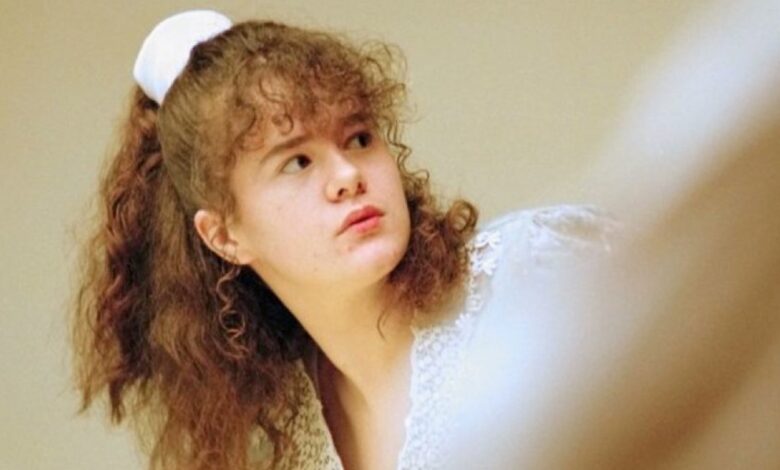
Christa Pike Survives Botched Execution After Two Lethal Injection Doses
Christa Pike Survives Botched Execution

Christa Pike survived a failed execution attempt in Tennessee after prison officials administered two doses of the lethal drug pentobarbital but were unable to complete the procedure.
Pike, 50, had been scheduled to receive a lethal injection at 10 a.m. on Wednesday, September 30, at Riverbend Maximum Security Institution in Nashville.
According to a court filing, the execution attempt was unsuccessful, and Pike received medical treatment afterward.
Her attorneys said she remained alive, breathing, and had a heartbeat after receiving two doses of pentobarbital. Witnesses also reported that Pike complained of pain during the procedure.
Pike taken to hospital after failed execution
Pike’s attorneys said in a statement late Wednesday that she was taken to a nearby hospital following the failed execution.
Tonight the State of Tennessee once again failed to carry out a lawful execution, her lawyers said.
They argued that concerns they had previously raised about Pike’s medical condition and the state’s execution protocol had materialised during the attempt.
According to her legal team, difficulties included finding a suitable vein, blown veins and concerns about the condition of the pentobarbital used.
We take no pleasure in being right, but the concerns raised by Ms. Pike proved to be true: difficult vein access, blown veins, degraded pentobarbital, no emergency medical care available when things inevitably go wrong, all under a protocol that remains veiled in secrecy, they said.
Ad
Christa is being treated at a nearby hospital. We have not been informed as to her condition.
Witnesses reported that a curtain was lowered twice during the procedure as prison officials dealt with complications.

Pike’s lawyers subsequently filed an emergency motion seeking lifesaving medical care for her.
Christa Pike Execution followed legal battle
The failed execution came after a day of legal challenges over whether Pike could be put to death.
The U.S. Court of Appeals for the 6th Circuit had initially stayed the execution roughly an hour before it was scheduled to begin.
The U.S. Supreme Court later vacated that stay, clearing the way for Tennessee to proceed.
Justices Sonia Sotomayor, Elena Kagan and Ketanji Brown Jackson dissented from the decision.
Pike’s attorneys had previously warned that medical issues could complicate the execution, including difficulty accessing a suitable vein.
Why was Christa Pike sentenced to death?
Pike was convicted of first-degree murder in 1996 for the killing of 19-year-old Colleen Slemmer.
She was 18 when she and her then-boyfriend, who was 17, killed Slemmer in Knoxville in 1995.
Prosecutors said Slemmer was lured into a wooded area before she was tortured and killed.
As a result, Pike was sentenced to death and became the only woman on Tennessee’s death row.
If the execution had been successfully carried out, Pike would have become the first woman executed by Tennessee in nearly two centuries.
Tennessee has faced another failed execution
Pike’s failed execution attempt is the second troubled execution process Tennessee has faced this year.
In May, officials attempted to execute Tony Carruthers by lethal injection, but the procedure was abandoned after medical staff spent about 90 minutes trying to establish intravenous access.
Carruthers’ attorney, who witnessed the attempt, said medical staff repeatedly tried to establish a vein in his arms and feet and attempted to place a line near his collarbone.
Governor Bill Lee subsequently called off the execution and granted Carruthers a one-year reprieve.
Carruthers’ family later filed a complaint with the state alleging malpractice and mistreatment by the doctor involved.