Could gum disease be a hidden trigger for Alzheimer’s?
New research finds a surprising link between oral health and brain disease

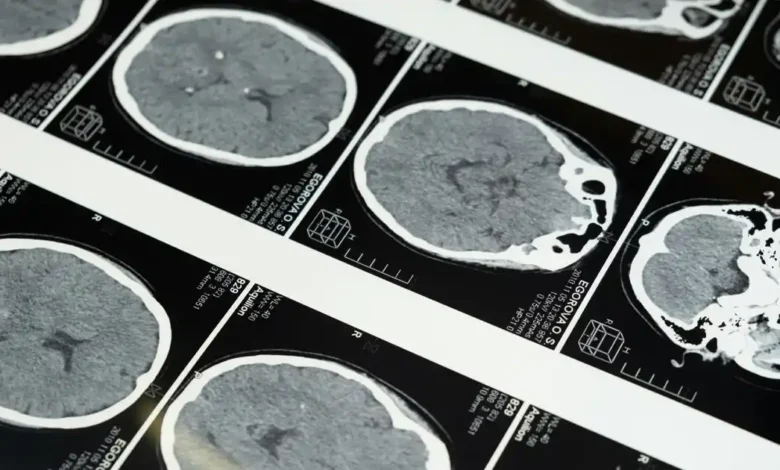
Alzheimer’s might not just be a brain disorder—it could start in your mouth, scientists suggest. New studies have found strong links between gum disease and the development of Alzheimer’s.
Alzheimer’s disease is the leading cause of dementia in the United Kingdom, according to the NHS. While aging, genetics, and heart health are known risk factors, researchers are now turning their attention to a surprising new suspect: bacteria in the mouth.
A 2019 study, led by microbiologist Jan Potempa from the University of Louisville, found traces of Porphyromonas gingivalis—a key cause of chronic gum disease—in the brains of people who had died with Alzheimer’s.
This discovery is pushing scientists to rethink Alzheimer’s not just as a brain disease, but possibly as an infection.

The mouth-brain connection
The researchers found that P. gingivalis releases harmful enzymes called gingipains, which were found among neurons in the brains of Alzheimer’s patients. These enzymes may play a critical role in the damage that leads to memory loss and confusion.
In lab experiments, mice infected orally with P. gingivalis produced higher levels of beta-amyloid—sticky brain proteins widely believed to be responsible for Alzheimer’s. This suggests that gum disease could trigger harmful changes in the brain long before symptoms appear.
“We’ve suspected infections might play a role in Alzheimer’s before, but this is some of the strongest evidence yet,” said Dr. Stephen Dominy, co-founder of Cortexyme, the biotech company behind the study.

An early warning—or a result?
Interestingly, researchers also found the same harmful gingipains in the brains of people who had not been diagnosed with Alzheimer’s but showed early signs of brain changes. This raises a key question: were these individuals on the path to developing the disease, or does Alzheimer’s itself lead to worse oral hygiene and more gum infections?
The authors believe it’s the former. They suggest that brain infection with P. gingivalis is not just a side effect of late-stage disease, but potentially an early trigger—possibly even before memory loss begins.

A possible path to new treatments
In the mouse studies, a special compound called COR388 was able to reduce the production of beta-amyloid and decrease brain inflammation. While these results are promising, scientists say it’s too early to know if the same approach will work in humans.
“No new dementia treatments have been approved in over 15 years,” said Dr. David Reynolds, chief scientific officer at Alzheimer’s Research. “That’s why we need to explore every possible angle—including the idea that a common infection might be involved.”
This research is still in its early stages, but it adds to growing evidence that oral health is closely connected to overall brain health. Regular brushing, flossing, and dental checkups may be more important than ever—not just for your smile, but possibly for your memory, too.
Could the future of Alzheimer’s prevention start with a toothbrush? It’s a question worth asking.