Doctor warns Tylenol PM may lead to organ failure if misused
Over-the-counter pain and sleep aid raises health concerns as expert urges Americans to think twice before regular use

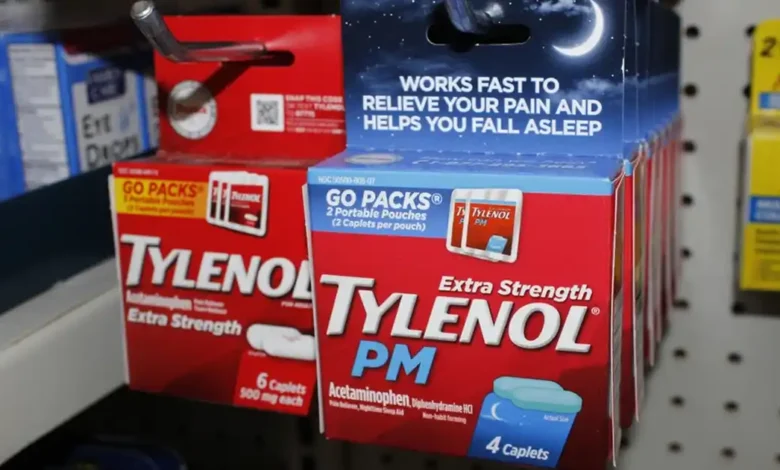
A pharmacist is warning that Tylenol PM, a popular nighttime pain reliever, could cause serious liver and kidney damage if taken too often. The drug is easy to misuse, and many people may be putting their health at risk without even knowing it.
Tylenol PM is a familiar name in medicine cabinets across America. It’s commonly used to help people manage pain at night and get better sleep. But it contains two strong ingredients that can be harmful when used improperly:
- Acetaminophen – a pain reliever and fever reducer
- Diphenhydramine – an antihistamine that causes drowsiness
While the mix of these two ingredients makes Tylenol PM seem like a convenient solution, experts say it should not be used regularly or in high doses.
Dr. Ethan Melillo, a pharmacist from Rhode Island, posted an online warning that has gotten a lot of attention. He says many people don’t realize how dangerous Tylenol PM can be when taken frequently.
“Just because it’s sold over the counter doesn’t mean it’s 100% safe,” Dr. Melillo explains. He’s concerned that people take Tylenol PM without checking the ingredients or understanding the risks—especially when mixing it with other medications.
Acetaminophen is generally safe when used as directed. But taking more than 4,000 milligrams in one day can cause acute liver failure. It’s especially dangerous for people who already have liver issues or drink alcohol.
In fact, acetaminophen is one of the top causes of liver failure in the U.S. A big part of the problem? People often don’t realize they’re taking too much because it’s found in many different medications, including cold and flu remedies.
Diphenhydramine, the ingredient that helps you sleep, also has its downsides. If used for too long, it can cause:
- Confusion
- Dizziness
- Memory problems (especially in older adults)
Some studies suggest it may even harm kidney function over time. And if people develop a tolerance, they may take more to feel sleepy—raising the risk of side effects.
Why Tylenol PM is easy to misuse
Because Tylenol PM is available in stores without a prescription, many people think it’s completely safe. But that trust can lead to dangerous habits. For example:
- Someone might take Tylenol PM for sleep and a cold medicine with acetaminophen without realizing they’re doubling up.
- Regular use of diphenhydramine can lead to tolerance, causing people to increase the dose.
This kind of accidental misuse can quietly lead to organ damage over time.
Dr. Melillo’s message has sparked a conversation online. Many users were shocked to learn how risky their nightly habits could be.
He’s urging people to check labels, stay within safe limits, and not rely on Tylenol PM as a long-term solution. More people are now calling for clearer product warnings and better public education around OTC (over-the-counter) medications.
View this post on Instagram
Safer ways to manage pain and sleep
If you’re using Tylenol PM often, it may be time to try other approaches. Here are some safer alternatives:
For Pain:
- Use plain acetaminophen or ibuprofen responsibly
- Try pain-relief creams for sore muscles or joints
- Add stretching or physical therapy to your routine
For Sleep:
- Stick to a regular sleep schedule
- Limit phone and screen use before bed
- Use melatonin (only with doctor guidance)
- Try cognitive behavioral therapy for insomnia (CBT-I), a proven non-drug treatment
Always talk to your doctor before using any medication on a daily basis—even if it’s over-the-counter.
Tylenol PM might seem like an easy fix for pain or sleepless nights, but using it too often can put your liver and kidneys at risk.
Before making it part of your routine, ask yourself: Is this helping a short-term problem, or creating a long-term one?
Read medication labels, understand what’s in them, and talk to a healthcare provider if you’re struggling with ongoing pain or sleep problems. Protecting your health may start with making a small but important change.