Kelly Osbourne responds to backlash over BRIT Awards weight loss
After photos from the 2026 BRIT Awards went viral, Kelly Osbourne says public scrutiny over her weight loss has deepened her grief following her father Ozzy Osbourne’s death.

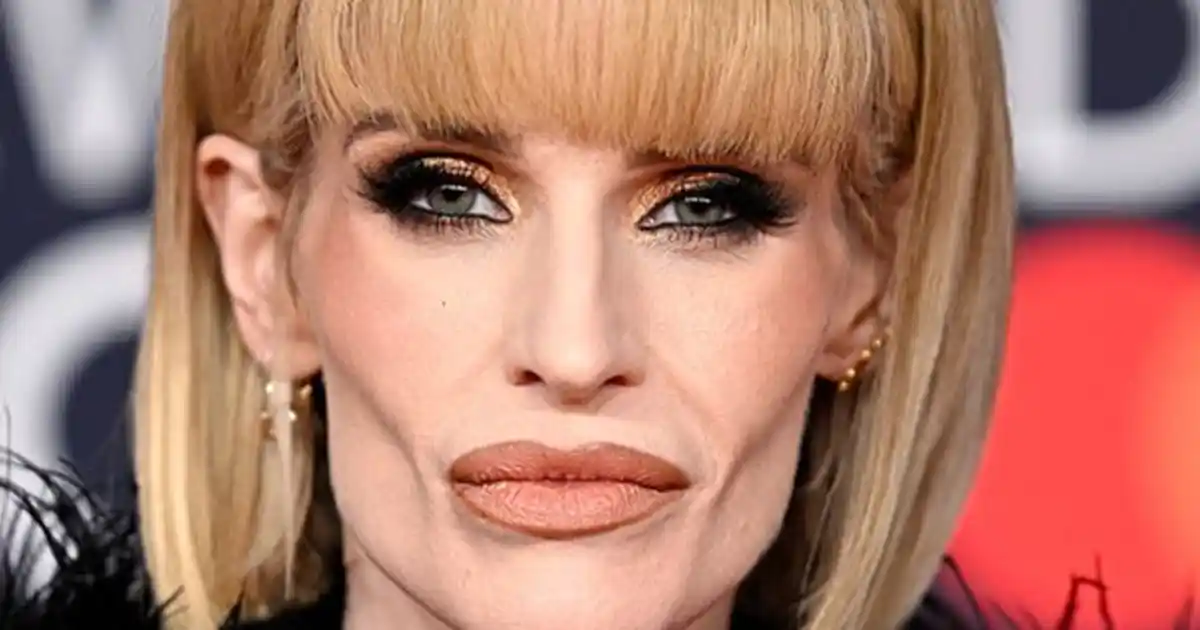
When Kelly Osbourne stepped onto the red carpet at the 2026 BRIT Awards in Manchester, the moment was meant to honor her late father. Instead, it quickly turned into a viral debate about her body.
Photos of the 41-year-old alongside her mother, Sharon Osbourne, spread rapidly across social media. Within hours, online commentary shifted from celebration to speculation, with many users focusing on her noticeably slimmer frame.
Osbourne responded directly on Instagram, describing the reaction as “cruel” and “dehumanizing.” She made it clear that the scrutiny has come at a time of profound personal loss following the death of her father, Ozzy Osbourne, in July 2025.
“I’m currently going through the hardest time in my life,” she wrote. “I should not even have to defend myself.”
The medication speculation
Much of the online conversation referenced so-called “Ozempic face,” a social media term tied to rapid weight loss associated with GLP-1 medications such as semaglutide.
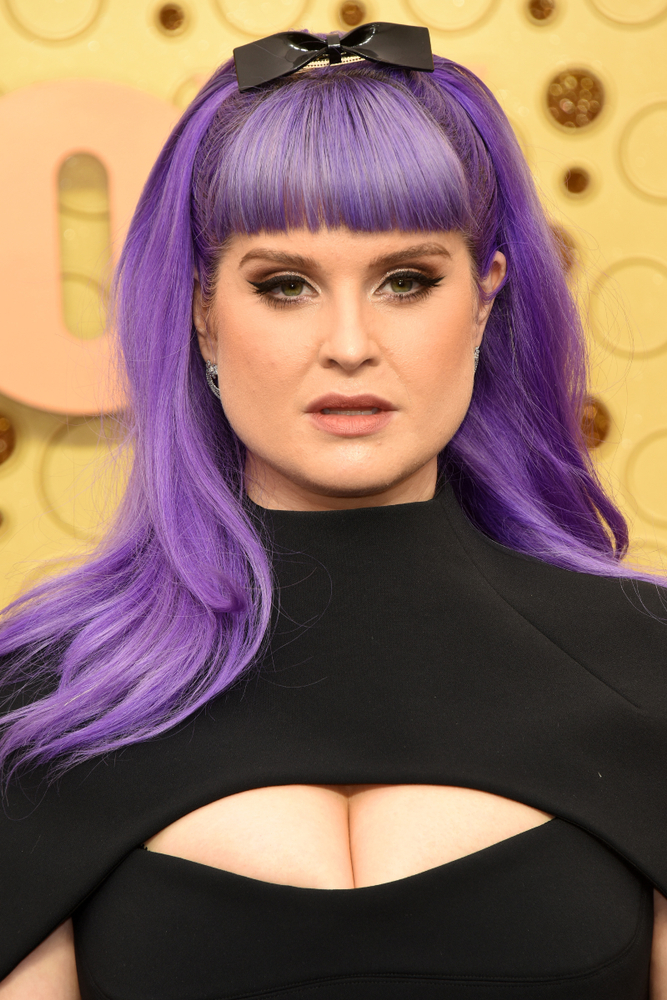
According to the National Institute of Diabetes and Digestive and Kidney Diseases, GLP-1 receptor agonists are approved for treating type 2 diabetes and, in some cases, obesity. They work by slowing digestion and suppressing appetite, often leading to overall fat loss rather than changes in specific areas.
Rapid weight reduction can alter facial fullness. However, medical experts consistently warn against assuming someone’s treatment or health status based solely on appearance.
It is not possible to determine a person’s health condition from photographs alone.
Osbourne has previously denied using weight-loss medication and has linked her recent physical changes to emotional stress and grief.
How grief affects the body
The physical effects of grief are well documented. The American Psychological Association notes that acute grief can disrupt appetite, sleep, and metabolism. Research published in clinical psychology journals suggests that more than 40 percent of bereaved individuals report significant appetite changes during the first year after a major loss.
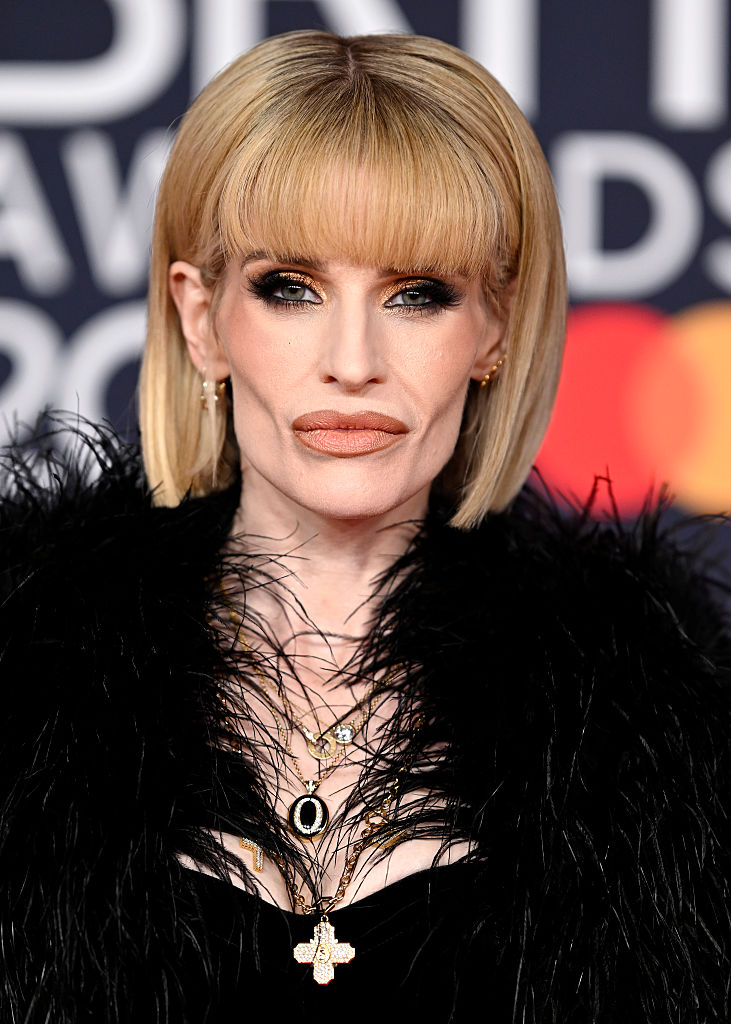
Osbourne has spoken openly about struggling since her father’s passing, saying late last year that her life had been “completely flipped upside down.”
The BRIT Awards appearance marked one of her most visible public moments since the loss, as she and Sharon accepted a lifetime achievement honor on Ozzy’s behalf.
Some online users insisted their remarks reflected concern rather than body-shaming, arguing there is a difference between expressing worry and attacking someone’s appearance.
Others crossed into harsher territory.
Sharon Osbourne has also faced scrutiny over her own weight changes in recent years. She previously discussed her experience with GLP-1 medication, saying rapid weight loss became difficult to manage before she stopped treatment.
For Kelly, the broader issue appears to be the tone and timing of the conversation.
Public figures often face intense scrutiny over their appearance, particularly during moments of vulnerability. But health professionals consistently emphasize that outward appearance alone is not a reliable measure of wellbeing.
As Osbourne put it, simply getting out of bed and continuing forward during a period of profound grief “should be more than enough.”