How Madame Chiang’s simple daily habit may have helped her live past 100
Known as China’s “Madame Chiang,” Soong Mei-ling credited her longevity to simple routines, balance, and one humble vegetable.

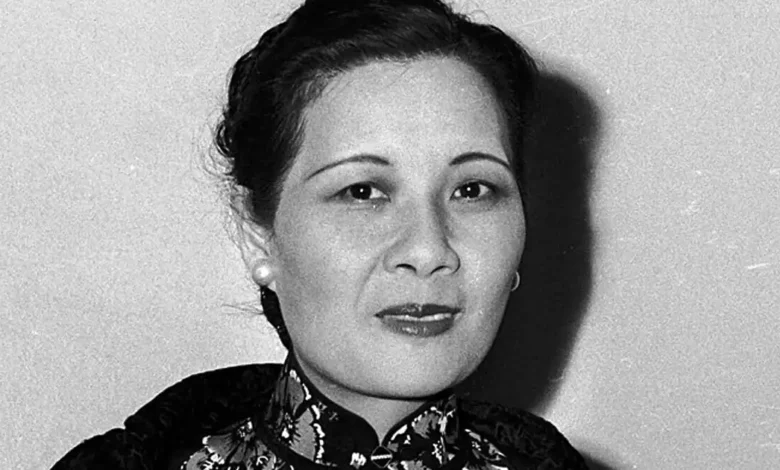
She lived through revolutions, wars, and a century of change — yet Madame Chiang Kai-shek still managed to keep her grace, focus, and health until 105 years old.
Behind her political influence and public poise was a quiet secret to her extraordinary longevity: simple, disciplined living and a few mindful daily choices.
Born Soong Mei-ling in 1898 in Shanghai, she became one of the most powerful and admired women of the 20th century. Fluent in English and educated in the U.S., she married General Chiang Kai-shek, leader of China, and soon became an international voice for her country.
During World War II, Madame Chiang addressed the U.S. Congress, met presidents, and appeared on the cover of Time Magazine multiple times. But away from the spotlight, she practiced routines that kept her healthy, calm, and curious.

Her wellness routine
Diagnosed with cancer at 40, Madame Chiang overcame the disease and went on to live another six decades. She credited her survival and vitality to consistent habits:
- Starting every morning with a glass of cold water and lemon.
- Eating five small meals a day, stopping before she felt full.
- Setting aside two hours daily for reading, painting, or quiet reflection.
- Sleeping on a strict schedule — 11 p.m. to 9 a.m., no exceptions.
These choices kept her mind sharp and her energy balanced. “I prefer to remain semi-hungry,” she once said, believing moderation was key to long life.
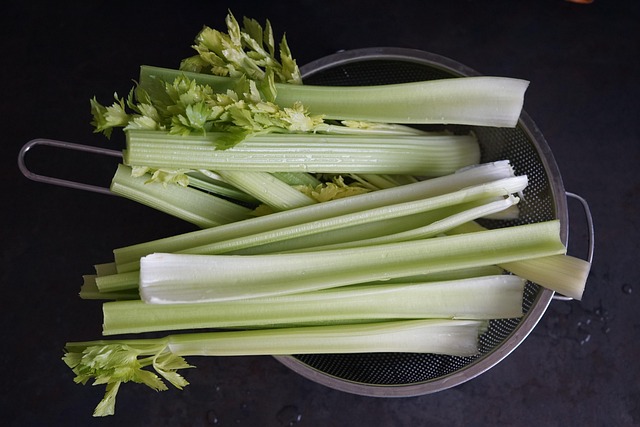
The surprising star of her diet – celery
While she enjoyed balanced meals, one simple food appeared on her table almost every day — celery.
Far from a bland snack, celery is rich in antioxidants, vitamins, and minerals that support heart and digestive health. Modern studies highlight two plant compounds in celery: apigenin and luteolin, both linked to anti-inflammatory and cell-protective benefits.
According to a 2016 review in Nutritional Research, apigenin may help protect cells from damage and support immune balance. Other studies suggest these natural compounds could contribute to long-term wellness — echoing Madame Chiang’s belief in simple, nourishing foods.
She once said, “Celery is simple, inexpensive, and incredibly nourishing.” For her, it symbolized health through humility.
More than diet
Madame Chiang’s secret wasn’t only what she ate — it was how she lived. She believed in a harmony of mind, body, and purpose.
Even in her 90s and 100s, she painted traditional Chinese artworks, read daily, and stayed involved in charitable causes.
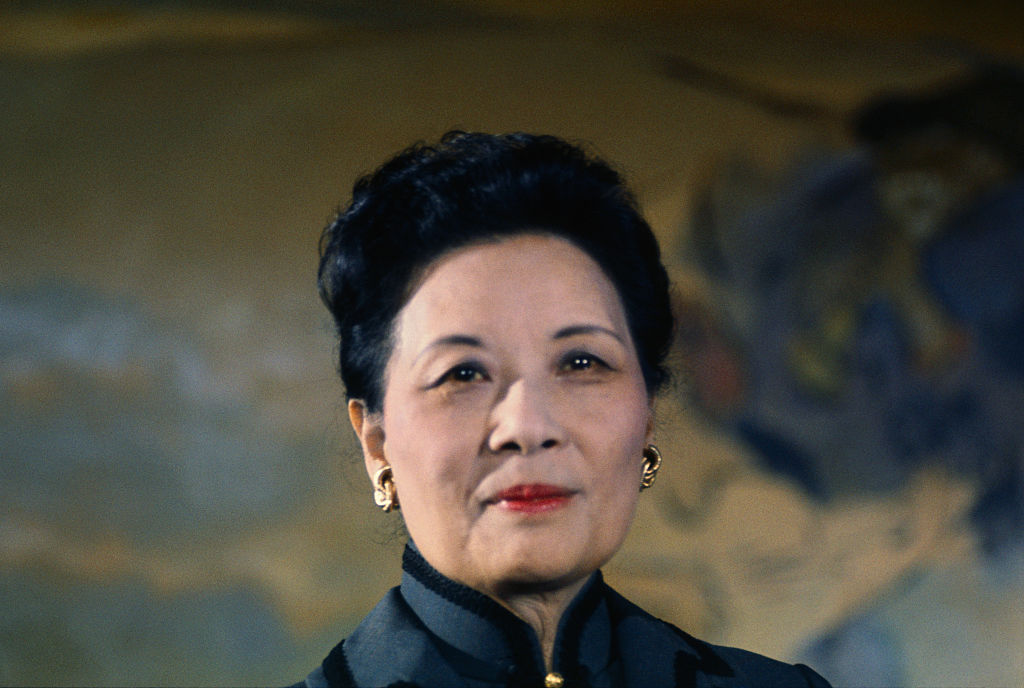
Her discipline extended to compassion: she founded schools for war orphans and supported relief efforts during wartime. Friends described her as “elegant but grounded, devoted yet joyful.”
Madame Chiang’s story reminds us that health isn’t about expensive diets or perfect routines — it’s about consistency, curiosity, and care.
Whether it’s drinking water with lemon, eating smaller portions, or adding more greens to your plate, small choices can make a big difference over time.
As she proved, it’s never too late to change habits or start living more mindfully. The next time you crunch on celery, remember the woman who lived a century with grace — and turned simplicity into strength.