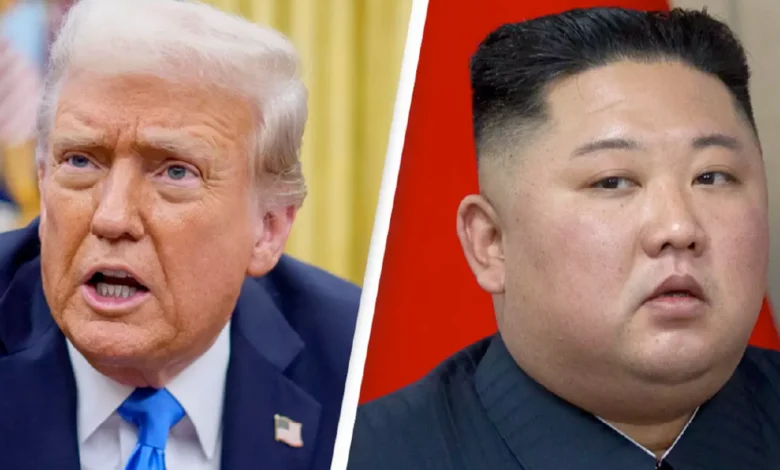
US demands North Korea halt military support for Russia amid Ukraine war escalation
Washington condemns Pyongyang's confirmed troop deployment and warns of risks from deepening North Korea-Russia ties

The United States has formally called on North Korea to stop sending troops and weapons to aid Russia in the war in Ukraine, following Pyongyang’s first public confirmation of its military involvement.
North Korea has acknowledged it has sent thousands of troops to Russia, describing the move as part of a defense agreement with Moscow. The confirmation, issued on April 28, follows months of speculation by intelligence agencies about the secretive alliance.
Initially, North Korea reportedly sent between 10,000 and 12,000 soldiers last year. More recently, another 3,000 troops were deployed to support Russian forces suffering heavy casualties, particularly around the Kursk region.
North Korean leader Kim Jong Un described the soldiers as fighting to “annihilate and wipe out the Ukrainian neo-Nazi occupiers,” praising them as “heroes and representatives of the honor of the motherland.”
US issues a strong warning to Pyongyang
The U.S. State Department responded with a firm message, urging North Korea to immediately end its support for Russia’s war effort. “North Korea’s direct involvement in the war, and any support from the Russian Federation in return, must end,” a spokesperson told The Independent.
American officials and security analysts believe the alliance may be more than just military. There are concerns that Russia could be supplying advanced military technology to Pyongyang in exchange for weapons and personnel—technology that could advance North Korea’s nuclear weapons capabilities.
In addition to military cooperation, Pyongyang is expected to receive economic aid and other forms of support from Moscow, according to the UK-based Press Association.
Trump weighs in with criticism
U.S. President Donald Trump also commented on the situation, criticizing Russian attacks on Ukrainian civilians. In a message directed at Vladimir Putin, Trump said, “There was no reason for Putin to be shooting missiles into civilian areas… It makes me think that maybe he doesn’t want to stop the war.”
He added that if Russia continues to escalate, it may need to be dealt with through tougher economic measures, including banking restrictions or secondary sanctions.
Since returning to office earlier this year, Trump has positioned himself as a potential peace negotiator in the conflict. While some short-term ceasefires have been brokered, no lasting peace agreement has emerged.
The deepening military relationship between Russia and North Korea is raising alarms across the global stage—not only because of its impact on Ukraine, but also due to the strategic consequences in East Asia. As international tensions grow, calls for stronger sanctions and diplomatic pressure may follow.
The latest developments reflect a shift in wartime alliances, with North Korea emerging as an active player in a far-reaching conflict. What this means for regional security—and for U.S. foreign policy—remains to be seen.