Young woman loses both kidneys before 30: doctor warns of 2 common habits behind kidney failure
More young adults are suffering from kidney failure, and doctors say two everyday habits are to blame.

A Vietnamese actress under 30 shocked fans after revealing she lost both kidneys due to end-stage kidney failure. Her story is heartbreaking — and becoming more common. Experts warn that kidney disease is no longer just an “older person’s problem.” More and more young adults are being diagnosed, often too late.
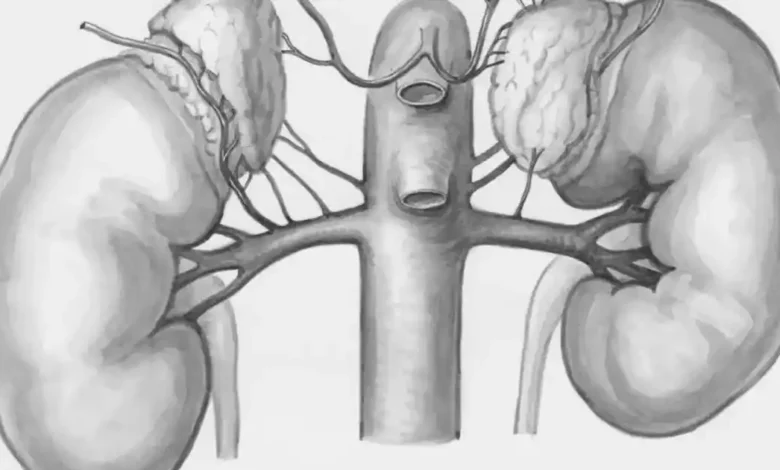
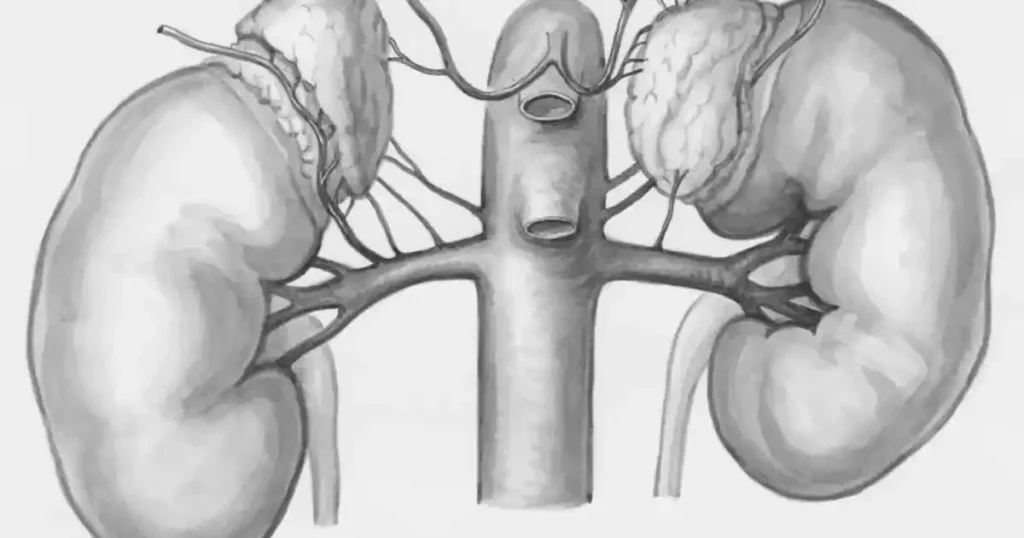
Kidney failure, or end-stage kidney disease (ESKD), is the final stage of chronic kidney disease. At this point, the kidneys can no longer do their job — filtering toxins, balancing fluids, and regulating blood pressure. Without dialysis or a transplant, survival is impossible.
For decades, kidney failure mostly affected older people. But not anymore.
Nephrologists around the world are raising the alarm: kidney failure is affecting people in their 20s and 30s — and it’s often tied to lifestyle choices.
One such case involved a young Vietnamese actress, still in her 20s, who had both kidneys removed due to severe kidney failure. Her story made headlines across the country. But doctors say it’s part of a growing trend.
Two daily habits are silently damaging kidneys
Experts point to two major culprits behind the rise in young kidney failure: unbalanced diets and a sedentary lifestyle.

1. High-protein, highly processed diets
Many young people today focus on fitness and appearance. But loading up on protein shakes, supplements, and processed foods can backfire.
“When you consume too much protein, it increases waste products like urea and uric acid,” explains one nephrologist. “Your kidneys work overtime trying to flush them out.”
Processed foods high in sodium, sugar, and phosphates add more pressure. These ingredients can cause kidney stones, raise blood pressure, and speed up kidney damage.
A 2020 study in the Clinical Journal of the American Society of Nephrology confirmed that high-sodium, low-potassium diets are directly linked to kidney decline — even in healthy young adults.

2. Sitting too much
Inactivity is the second major risk factor. A sedentary lifestyle leads to obesity, high blood pressure, and diabetes — all dangerous for kidneys.
According to a 2023 study published in Kidney International Reports, young adults who spent most of their time sitting had faster declines in kidney function, as measured by eGFR — a key kidney health marker.
With many people sitting 10–12 hours a day on their laptops or phones, the danger is very real.
Early warning signs often go unnoticed
One of the scariest things about kidney disease is how silent it can be.
The kidneys are tough organs. They can keep working even if 90% of their function is gone. That’s why early symptoms often go unnoticed until it’s too late.
Signs of kidney failure may include:
- Fatigue or weakness
- Muscle cramps or twitches
- Swelling in hands, feet, or face
- Nausea or loss of appetite
- Itching or skin rashes
- Decreased urine output
- Shortness of breath
- Metallic taste in the mouth
- Confusion or seizures in later stages
How to protect your kidneys
While not all kidney problems can be prevented, many can be delayed or avoided with healthy choices:
- Eat a balanced, low-sodium diet
- Stay physically active
- Manage blood pressure and blood sugar
- Drink enough water
- Avoid smoking and heavy alcohol use
- Limit processed and high-protein foods
- Reduce stress and maintain a healthy weight
Kidney failure is serious — but also often preventable. A few smart choices today can protect you tomorrow.
Help spread awareness — share this article with friends and family. Your kidneys will thank you.