Alan Osmond, eldest of The Osmonds’ performing brothers, dies at 76
The guitarist, songwriter, and family patriarch led the iconic group from a church barbershop quartet to global stardom — and spent four decades living with multiple sclerosis

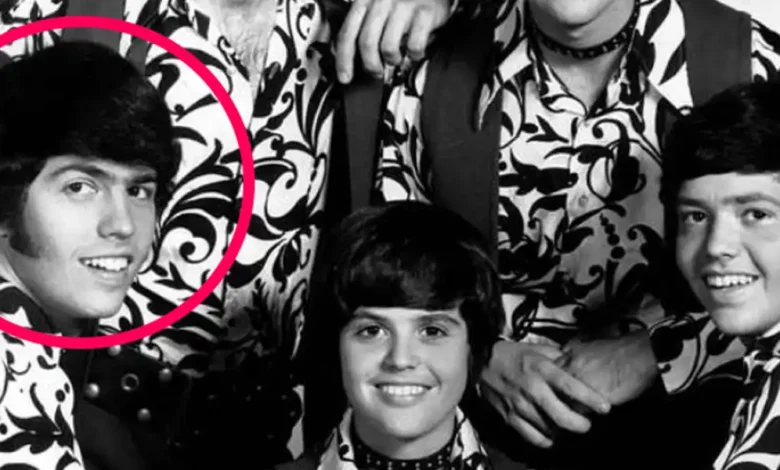
Alan Osmond, the eldest of the performing Osmond brothers and the creative backbone of one of America’s most beloved musical families, died Monday night, April 21, 2026, at his home in Lehi, Utah. He was 76.
His wife, Suzanne, and all eight of their sons were at his bedside when he passed. He had spent a week in intensive care before returning home on hospice. No official cause of death has been disclosed, though Alan had lived with multiple sclerosis for nearly four decades.
The loss marks a profound moment for a family that has defined wholesome American pop music across generations — and comes just months after the death of another brother. Wayne Osmond died on January 1, 2025, in Utah after a stroke, at the age of 73. Alan is now the second of the nine Osmond siblings to pass away.
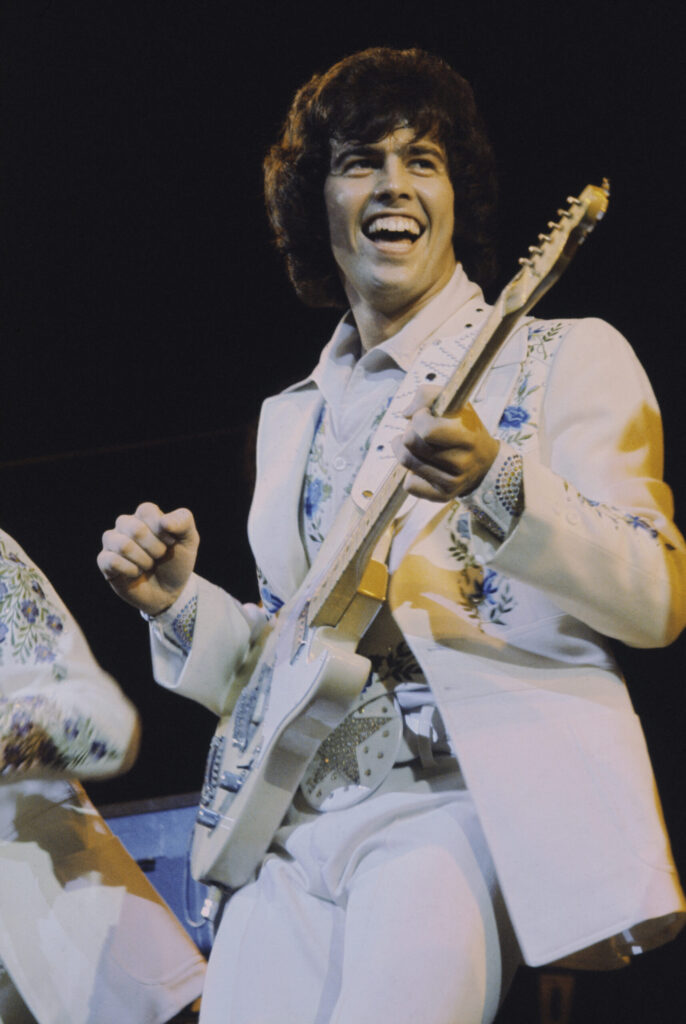
From a church pew to The Andy Williams Show
Alan Ralph Osmond was born on June 22, 1949, in Ogden, Utah — the third of nine siblings, and the oldest of the seven who could sing. His two elder brothers, Virl and Tom, were hearing impaired and did not perform musically.
Alongside Wayne, Merrill, and Jay, Alan began performing to help raise money for hearing aids for Virl and Tom. That early sense of purpose — music as service — would define his character for the rest of his life.
The brothers started as a barbershop quartet in 1958, eventually moving to Los Angeles to pursue a music career. They worked Disneyland before being discovered by the father of talk-show host Andy Williams, leading to a seven-year run as singers on The Andy Williams Show.
It was on that stage that the group found their footing and their fame.
The “One Take Osmonds”
As the group grew — eventually absorbing younger brothers Donny and Jimmy — so did their reputation for precision and professionalism. They earned the nickname “the One Take Osmonds” because tight restrictions on child working hours forced them to rehearse exhaustively at home and deliver flawless performances in the studio.
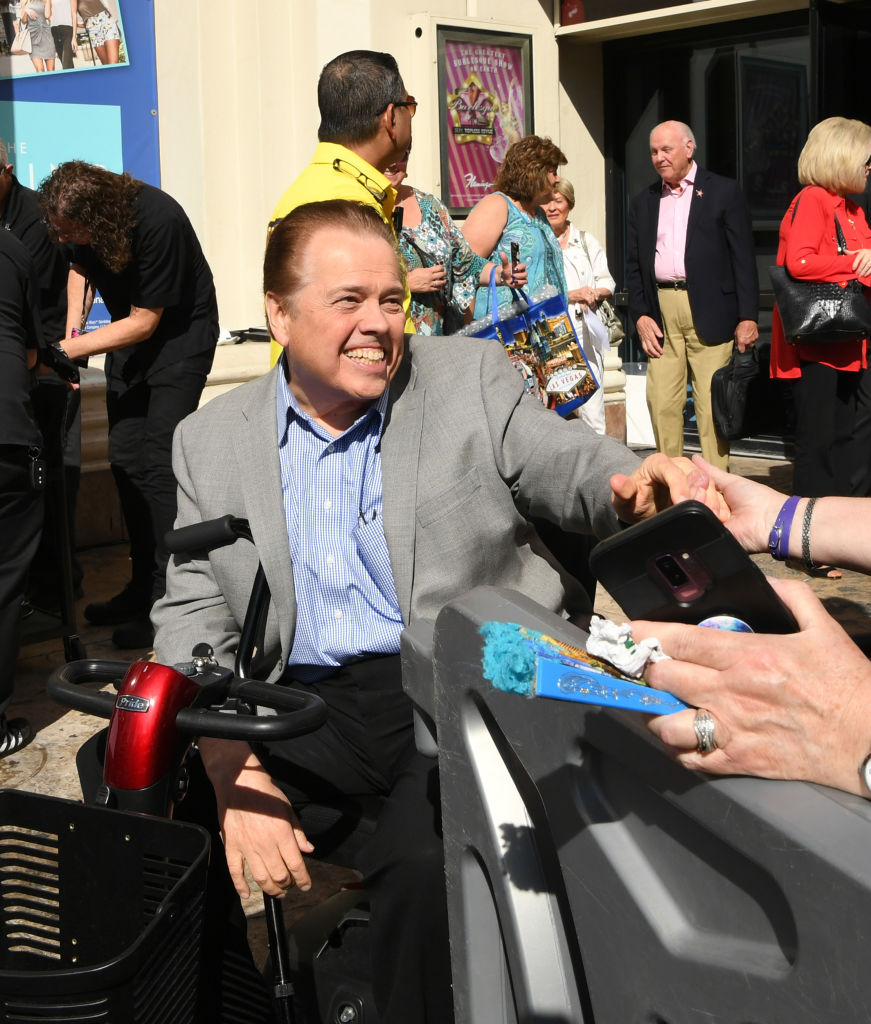
“We could only work so many hours a day,” Alan once recalled. “So we’d take the work home and make sure we nailed it on the first take.”
The Osmonds scored a breakout hit with “One Bad Apple,” which spent five weeks at No. 1 on the Billboard Hot 100 starting in February 1971 — a song originally intended for the Jackson 5. Other major hits followed: “Crazy Horses,” “Love Me for a Reason,” and “Down by the Lazy River.” The group reached the peak of their popularity between 1971 and 1976.
Alan was more than a frontman. As the eldest brother, he served as a leader and producer for the group, co-writing songs with brother Merrill. His was the quiet authority behind the curtain.
A life shaped by faith, family, and illness
In 1987, Alan was diagnosed with multiple sclerosis — a condition that would eventually lead him to retire from performing with his family. He handled the diagnosis with characteristic resilience, channeling his experience into advocacy work. He helped create the Children’s Miracle Network Telethon, which has raised over $2 billion for children’s hospitals, and helped launch the One Heart Foundation to support orphans.
The family continued performing together until their 50th anniversary in 2007, when Alan and Wayne retired due to health issues.
A devout member of The Church of Jesus Christ of Latter-day Saints, Alan married Suzanne Pinegar in 1974. Their bond lasted 51 years. He is survived by Suzanne, sons Michael, Nathan, Doug, David, Scott, Jon, Alex, and Tyler; 30 grandchildren; and five great-grandchildren.
His brother Merrill announced his passing on Facebook, writing: “My brother has now stepped into the presence of our Father in Heaven with honor and peace. His life was not measured in years, but in love, sacrifice, and purpose.”
Alan Osmond didn’t just help build a musical empire. He helped raise a family, shepherd a legacy, and quietly remind the world that talent means very little without character. Rest in peace.