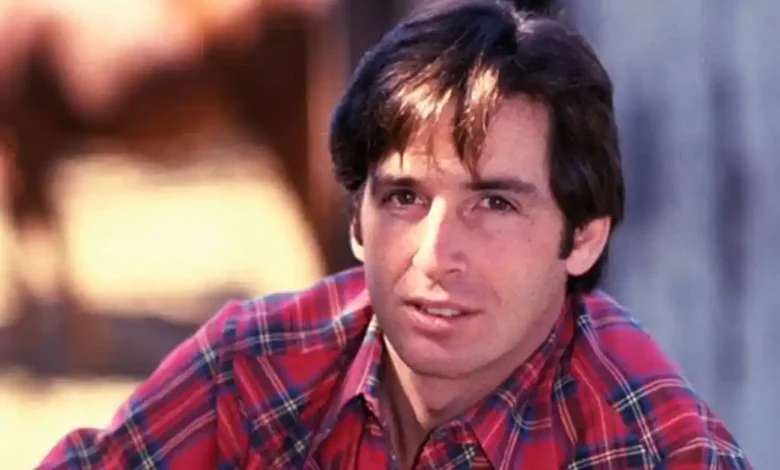
Robert Carradine, the veteran actor known for his roles in “Revenge of the Nerds” and Disney Channel’s “Lizzie McGuire,” has died at 71. His family confirmed the news in a statement to Deadline, sharing that he spent nearly 20 years battling bipolar disorder.
They expressed hope that his story would help reduce the stigma surrounding mental illness.
Carradine’s passing marks the loss of a familiar face to generations of film and television audiences — from 1970s moviegoers to early 2000s Disney Channel viewers.
A Career That Spanned Generations
Carradine’s film debut came in 1972 when he appeared alongside John Wayne in The Cowboys. It was the beginning of a decades-long career that would include comedies, dramas, and television series.
He became a cult favorite as Lewis Skolnick in the “Revenge of the Nerds” franchise, a role that defined 1980s comedy for many fans.
He also appeared in the Oscar-winning drama Coming Home, showing a range that went beyond lighthearted roles.

Carradine was part of one of Hollywood’s most recognized acting families. He was the son of legendary actor John Carradine and the brother of David Carradine and Keith Carradine.
Younger audiences came to know him as the caring father of Hilary Duff’s character on the Disney Channel series “Lizzie McGuire.”
Duff shared a tribute on Instagram, writing that the news “hurts” and recalling the warmth she felt from her on-screen parents. She said she was deeply saddened to learn he had been suffering and offered her condolences to his family.
For many viewers, Robert Carradine wasn’t just a supporting actor — he was part of the background of their childhood or young adulthood. Whether as the unlikely hero in an ’80s comedy or a steady, reassuring dad on early 2000s television, he represented something familiar and grounding. His death is not only a loss for Hollywood, but a reminder of the quiet battles many people fight far from the spotlight.
A Conversation About Mental Health
In their statement, the Carradine family said they hope his nearly two-decade battle with bipolar disorder can “shine a light and encourage addressing the stigma that attaches to mental illness.”
Mental health advocates have long emphasized the importance of open conversations and early treatment. According to WHO, long-term mood disorders like bipolar disorder can be managed with proper treatment, support systems, and early intervention. According to the National Alliance on Mental Illness (NAMI), reducing stigma is one of the most important steps in helping people seek care. Experts emphasize that open conversations — especially when public figures and families speak candidly — can encourage others to pursue support without shame.
Across the United States, millions of adults live with bipolar disorder, yet many delay treatment due to stigma or misunderstanding. In recent years, advocacy groups have pushed for expanded mental health access, workplace protections, and community education programs. Carradine’s family’s decision to speak publicly adds to a broader national conversation about how mental health challenges affect families in every community — not just those in Hollywood.
Carradine’s life and career leave behind a body of work that connected with audiences across eras — and a renewed reminder of the need for compassion around mental health challenges.