Americans could see $1,745 payments under Trump tariff plan—but there’s a catch
The proposal has sparked widespread interest, but legal hurdles and political uncertainty mean no payments are guaranteed.

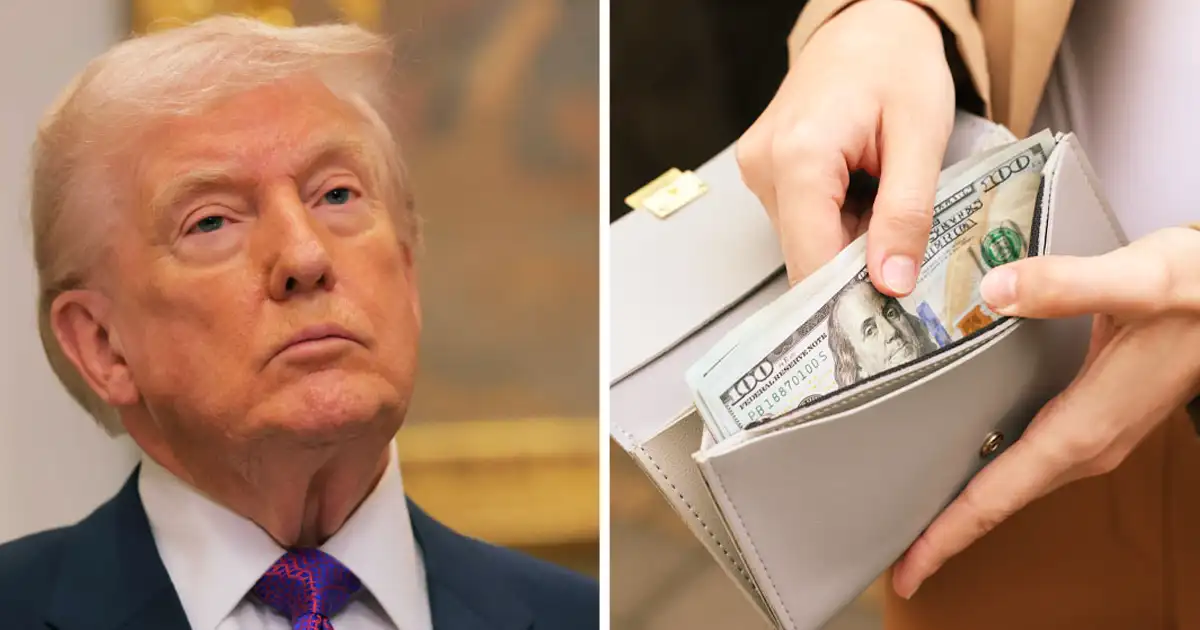
Talk of a potential $1,745 payment to American households has gained traction in recent months, but despite the buzz, no confirmed plan exists—and significant legal and political barriers remain.
The idea traces back to proposals linked to former U.S. president Donald Trump, who has repeatedly suggested that Americans should be compensated for rising costs tied to tariffs. His earlier messaging framed the concept as a kind of “dividend,” echoing pandemic-era stimulus checks and proposing that revenue collected from tariffs could be redistributed directly to citizens.
But that concept has since run into a major obstacle.
A ruling by the Supreme Court of the United States has reportedly blocked the idea of funding direct payments purely through tariff revenue. While details of the legal reasoning remain complex, the decision effectively forces policymakers to rethink how such payments could be structured, if at all.
From dividend to “refund”
In place of a dividend-style payment, current discussions have shifted toward the idea of a refund. The argument is rooted in estimates from the Joint Economic Committee, which suggest that American consumers absorbed roughly $231 billion in tariff-related costs between February 2025 and January 2026.
Spread across U.S. households, that figure comes out to about $1,745 per family.
Supporters of the proposal argue that since tariffs often translate into higher prices for goods, Americans effectively paid that amount out of pocket and could therefore be reimbursed. Economists have long noted that while tariffs are imposed on imports, the cost is frequently passed on to consumers through higher retail prices.
Who would qualify?
Donald Trump has previously indicated that any payments would likely be targeted, with a focus on Americans earning under $100,000 annually. The idea was mentioned multiple times throughout 2025, including in public statements and social media posts, where he suggested that a payout plan was actively being explored.
However, no formal policy proposal has been introduced, and no legislation has been passed to authorize such payments.
For now, any timeline remains speculative.
Trump has suggested that payments could begin as early as mid-2026, but that estimate depends on multiple unresolved factors, including legal clarifications and congressional approval. Without a clear funding mechanism or legislative backing, the proposal remains theoretical.
At its core, the $1,745 figure reflects a broader economic debate about who ultimately bears the cost of tariffs. While the idea of a refund resonates with many households feeling financial pressure, turning that concept into reality would require navigating legal constraints, political negotiations, and budget considerations.
Until then, Americans are left with a headline-grabbing number—but no guarantee it will ever reach their bank accounts.