Bo Gritz, decorated Green Beret who claimed to inspire the ‘Rambo’ character, dies at 87
The Vietnam War veteran later became a controversial political activist and mediator during the 1992 Ruby Ridge standoff.

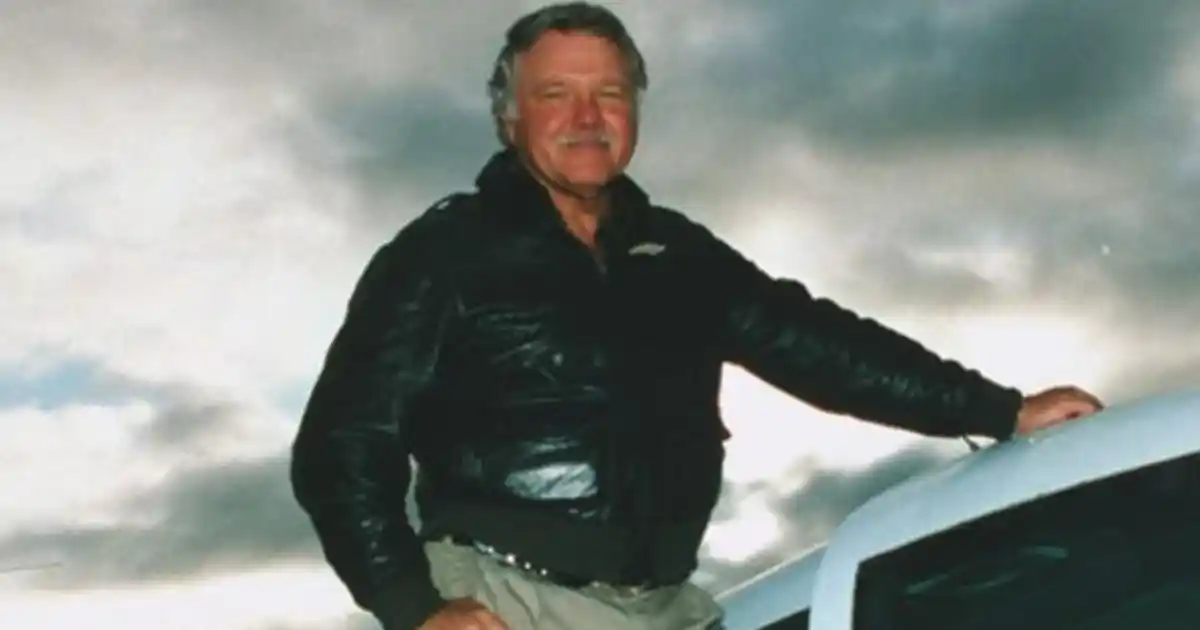
James “Bo” Gritz, a highly decorated U.S. Army Special Forces officer whose dramatic Vietnam War exploits and later political activism made him one of the most recognizable veterans of his era, has died at the age of 87.
Gritz died on February 27 in Sandy Valley, Nevada, according to a statement shared by his wife. The former Green Beret had lived in the small desert community near the California border for more than four decades. No official cause of death was immediately announced.
Born in Oklahoma in 1939, James Gordon Gritz served in the U.S. Army from 1957 to 1979 and rose to the rank of lieutenant colonel. During the Vietnam War he was part of the elite 5th Special Forces Group (Airborne), one of the most active units conducting unconventional warfare operations in Southeast Asia.
Gritz received numerous decorations for valor, including three Silver Stars, as well as a Legion of Merit, a Distinguished Flying Cross, and multiple Bronze Stars and Air Medals.
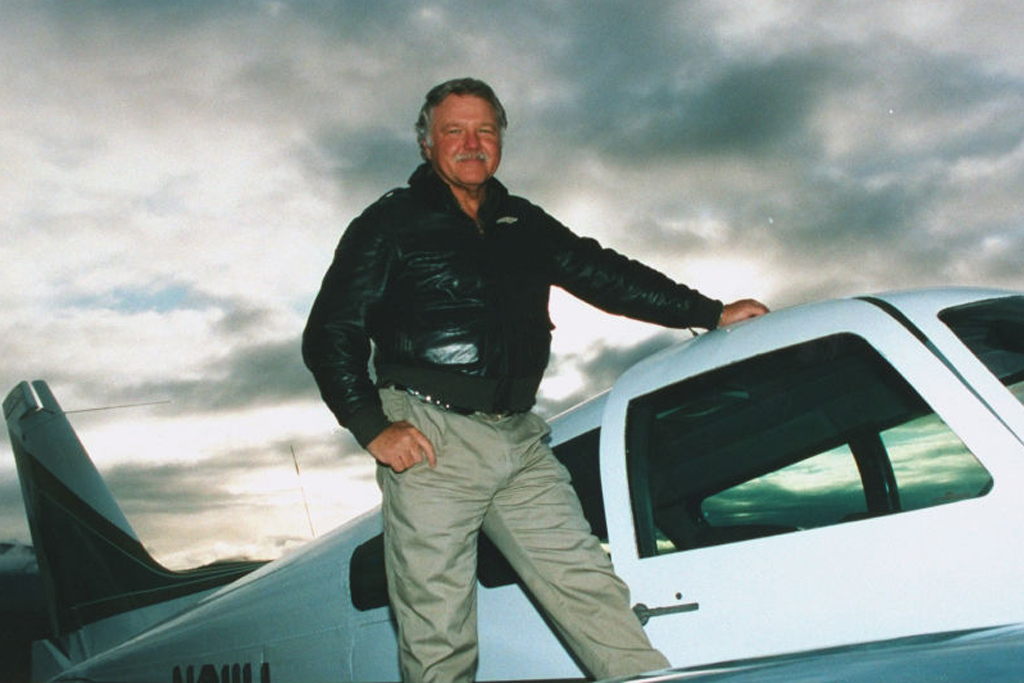
His reputation as a daring Special Forces officer grew after several covert missions during the war. One operation frequently cited in accounts of his career involved recovering the flight data recorder from a downed U-2 spy plane deep inside enemy territory in Cambodia.
After retiring from the Army, Gritz became involved in private efforts to locate American prisoners of war believed to be left behind in Southeast Asia after the conflict. Those missions ultimately failed to confirm the presence of surviving U.S. POWs.
A controversial public figure
Following his military career, Gritz moved into politics and activism, becoming a prominent voice in anti-government and militia-aligned movements during the late 20th century.
He ran for president of the United States in 1992 as the candidate of the Populist Party, campaigning on an anti-establishment platform centered on constitutional rights and government accountability.
That same year he drew national attention for his role in the Ruby Ridge crisis in northern Idaho. The standoff began after federal agents attempted to arrest survivalist Randy Weaver and escalated into a deadly siege that left Weaver’s wife and son dead.
Gritz traveled to the remote mountain cabin during the confrontation and entered the property to negotiate with Weaver, ultimately helping persuade him to surrender peacefully after several days. According to reporting by the Las Vegas Review-Journal, family members later credited Gritz with preventing further bloodshed during the tense standoff.
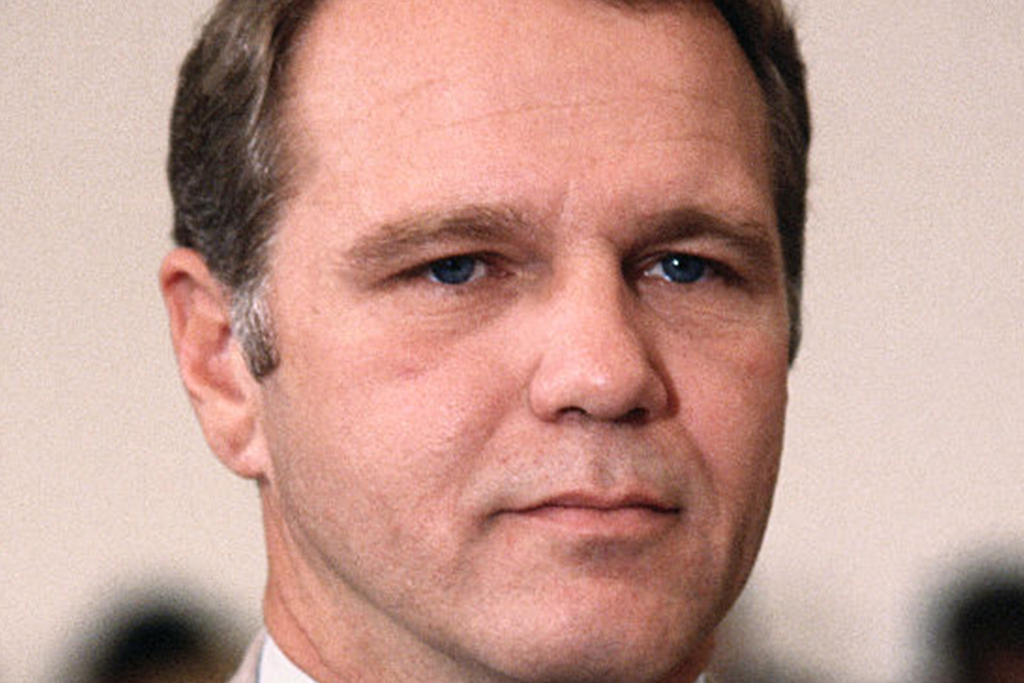
He later attempted to mediate during the 1996 Montana Freemen standoff, though those negotiations were less successful.
The ‘Rambo’ connection
Gritz also became widely known for his claim that he served as a real-life inspiration for the fictional character John Rambo, portrayed by Sylvester Stallone in the 1982 film First Blood and its sequels.
The character originated in David Morrell’s 1972 novel First Blood, but Gritz frequently argued that his combat experience and personality helped shape Stallone’s portrayal of the battle-hardened Vietnam veteran.
His story and influence on Cold War mythology were later explored in the 2017 documentary Erase and Forget, which examined the blurred lines between real military history and Hollywood storytelling.
Supporters remembered Gritz as a fearless Special Forces soldier who remained committed to defending what he saw as constitutional freedoms. Critics pointed to his involvement with conspiracy theories and militia movements as evidence of the turbulent political climate that followed the Vietnam War.
In interviews later in life, Gritz said his actions were guided by the oath he took as a soldier. When Americans faced danger, he believed it was his duty to step forward.
Gritz is survived by his wife and four children.