Why cats headbutt their owners — and what the affectionate gesture really means
Feline experts say the gentle “bonk” many cat owners experience is a powerful form of communication rooted in scent, trust, and bonding.

If your cat has ever walked up and gently bumped its head against you, it might seem playful or even a little strange. But to your feline companion, that small gesture carries a surprisingly meaningful message about trust, affection, and belonging.
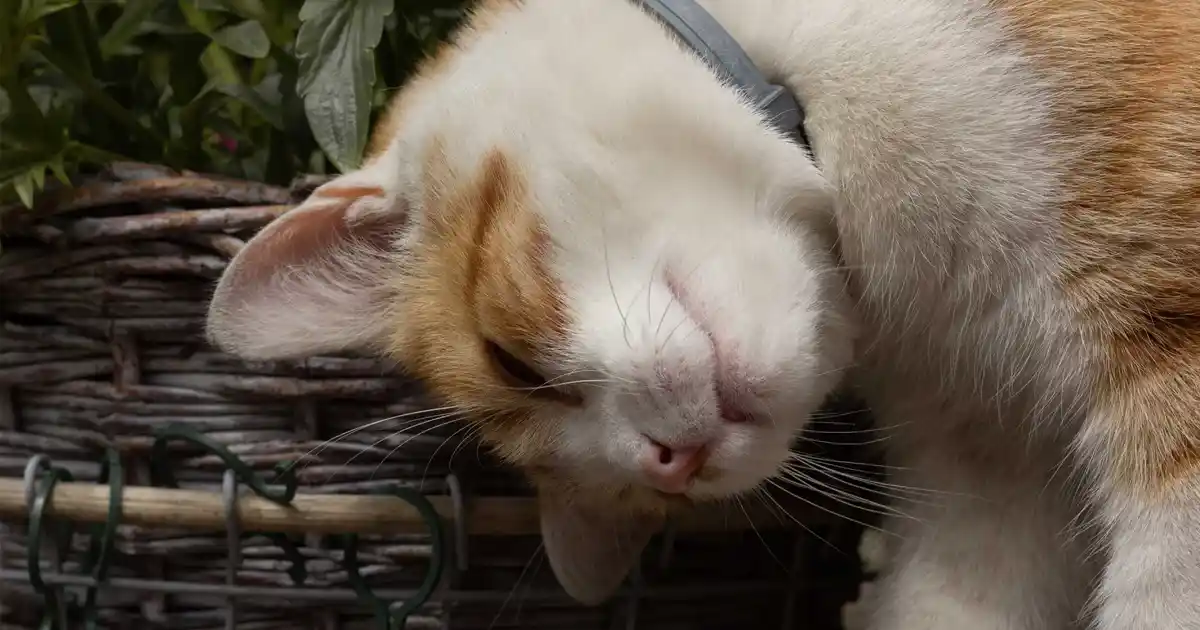
Many cat owners describe the behavior as a “headbutt.” In feline behavior science, however, it has a specific name: bunting.
This common cat gesture involves a cat pressing or rubbing the front of its head against a person, another animal, or even furniture. While it might look like a tiny collision, animal behavior specialists say it’s actually one of the clearest ways a cat communicates affection.
The science behind the cat “headbutt”
Cats have scent glands located around their cheeks, forehead, and ears. When they rub these areas against something, they release pheromones that other cats can detect, but humans cannot smell.
According to veterinarians writing for PetMD, when a cat bumps its head into you, it’s depositing these pheromones and essentially marking you with its scent. This process helps the animal identify what is familiar and safe in its environment.
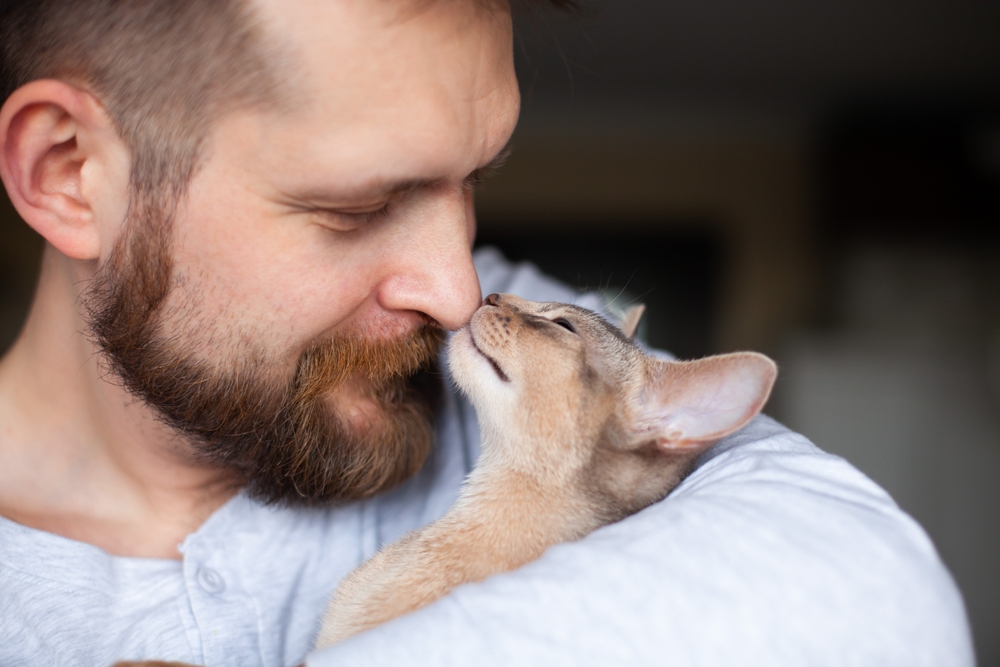
To a cat, that scent exchange is a powerful social signal. It means you are part of its trusted group.
In other words, when your cat headbutts you, it is not being aggressive. It is saying you belong.
A gesture rooted in feline communication
Bunting is not unique to house cats. The behavior appears across the feline family and is used as a social greeting among animals that share a bond.
Researchers describe bunting as a type of scent-communication behavior in which cats rub their scent glands onto another individual or object. The scent marking helps reinforce relationships and establish a shared group identity.
Within cat colonies, this scent-sharing plays an important role in maintaining harmony. Cats that share similar scents are more likely to recognize one another as members of the same social group.
When your pet bumps its head against you, it may also be blending your scent with its own to create a familiar environment.
More than marking territory
While scent marking is part of the behavior, experts say the headbutt also serves as a bonding ritual.
Veterinary behavior specialists note that cats often bunt people they trust the most. The gesture can function as a greeting, a request for attention, or simply a way to reinforce a social connection.
Does your cat deal out solid headbutts?
by
u/SoManyZoombies in
cats
Some cats pair the movement with other affectionate signals such as:
- purring
- slow blinking
- kneading with their paws
- rubbing along your legs
These behaviors together form a kind of feline “love language.”
When your cat wants attention
In some situations, the headbutt is also a polite request.
Cats quickly learn that a gentle bump can lead to petting, food, or playtime. For many pets, the behavior becomes a reliable way to get their owner’s attention.
Because scent plays such a large role in feline communication, repeatedly marking their favorite human also helps reinforce a sense of comfort and security.
For a species known for its independence, cats have surprisingly subtle ways of expressing affection.
A headbutt might feel like a tiny nudge, but in feline terms it represents something much bigger: trust.
So the next time your cat presses its head against you, it may be delivering the closest thing cats have to a kiss.